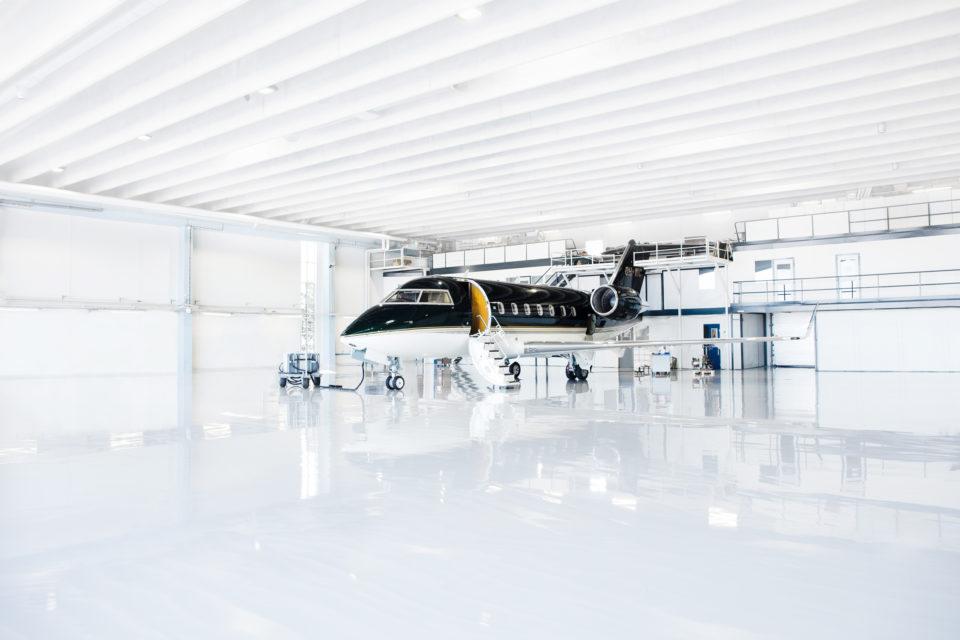
The aviation industry, a significant contributor to global carbon emissions, is under increasing pressure to adopt sustainable practices to reduce its environmental impact. With the growing concern over climate change, the concept of “sustainable jetting” has emerged as a viable solution for reducing the carbon footprint of air travel. But what does it mean to fly sustainably, and how can passengers and airlines work together to make aviation more eco-friendly?
In this comprehensive guide, we will explore the latest trends in sustainable aviation, the role of biofuels, the future of electric planes, and practical steps travelers can take to reduce their environmental impact when flying. By the end, you’ll have a clear understanding of how sustainable jetting can change the future of air travel and what you can do to help.
Understanding the Environmental Impact of Aviation
The aviation sector is one of the fastest-growing sources of carbon emissions globally. According to the International Air Transport Association (IATA), aviation accounts for approximately 2-3% of global carbon dioxide (CO2) emissions. While this might not seem like a large percentage in comparison to other industries, the growth rate of air travel presents a serious concern for future emissions.
Each flight generates a significant amount of CO2, with long-haul flights being the largest culprits. The emissions produced by airplanes are a result of burning jet fuel, which releases CO2 and other greenhouse gases into the atmosphere. These gases trap heat, contributing to global warming. Additionally, the altitude at which planes fly can exacerbate the effects of emissions, as high-altitude emissions have a more significant impact on the climate compared to ground-level emissions.
However, the aviation industry has made strides in addressing these issues. Sustainable jetting, a concept that encompasses several practices and technologies aimed at reducing the environmental impact of air travel, is beginning to gain momentum. But what exactly is sustainable jetting, and how can it be implemented?
What is Sustainable Jetting?
Sustainable jetting refers to the adoption of eco-friendly practices, technologies, and fuels in the aviation industry to minimize the carbon footprint of air travel. This encompasses a wide range of initiatives, including the use of sustainable aviation fuels (SAFs), the development of electric and hybrid aircraft, improvements in flight efficiency, and better management of air traffic.
The goal of sustainable jetting is not only to reduce the immediate carbon emissions from flying but also to create a more sustainable future for air travel. The idea is to make flying more environmentally friendly without sacrificing the convenience and accessibility that modern air travel provides.
The Role of Sustainable Aviation Fuels (SAFs)
One of the most promising solutions in the quest for sustainable jetting is the development and adoption of sustainable aviation fuels (SAFs). SAFs are fuels derived from renewable sources, such as plant oils, waste materials, or algae, that have a much lower carbon footprint compared to traditional jet fuel.
There are several types of SAFs, each with different methods of production and potential benefits. Some SAFs are made from waste oils and fats, while others are derived from agricultural residues or non-food crops. The production of SAFs can significantly reduce the lifecycle carbon emissions associated with air travel, making them a crucial component of sustainable aviation.
For example, the aviation industry has begun using SAFs that can be blended with conventional jet fuel, allowing airlines to reduce their carbon emissions without requiring entirely new aircraft or infrastructure. Airlines such as KLM, Lufthansa, and United Airlines have already conducted test flights using SAFs, and major airports around the world are investing in the infrastructure needed to support the widespread use of these fuels.
SAFs have the potential to reduce carbon emissions by up to 80% compared to traditional jet fuel, depending on the feedstock and production method. As technology advances, SAFs may become even more efficient, making them an essential part of the sustainable jetting revolution.
The Promise of Electric and Hybrid Aircraft
While SAFs represent a significant advancement in reducing the carbon footprint of aviation, they are not the only solution. Another exciting area of development in sustainable aviation is the creation of electric and hybrid aircraft. These aircraft rely on electricity or a combination of electricity and conventional jet fuel, reducing their dependence on fossil fuels.
Electric planes are still in the early stages of development, but several companies are making significant progress toward creating viable electric-powered aircraft. The primary challenge with electric planes lies in battery technology. Current battery technology is not yet advanced enough to power large aircraft over long distances. However, smaller electric planes, designed for regional flights or shorter distances, are already becoming a reality.
Hybrid aircraft, which combine traditional jet engines with electric propulsion systems, offer a more immediate solution. By using electricity to assist in flight, hybrid planes can reduce fuel consumption and emissions, especially during takeoff and landing. Several manufacturers, including Airbus and Boeing, are working on hybrid aircraft designs that could enter service in the coming decades.
As electric and hybrid aircraft technology continues to improve, they could revolutionize the aviation industry, making air travel more sustainable and accessible.
Improving Flight Efficiency
Another key aspect of sustainable jetting is improving the efficiency of flights. Aircraft manufacturers and airlines are constantly working to optimize flight operations to reduce fuel consumption and emissions. This includes innovations in aircraft design, engine efficiency, and flight routing.
Modern airplanes are already much more fuel-efficient than their predecessors. Advances in aerodynamics, materials, and engine technology have resulted in lighter and more fuel-efficient aircraft. For example, newer models like the Boeing 787 Dreamliner and the Airbus A350 are designed to consume less fuel while providing the same level of comfort and performance.
In addition to more efficient aircraft, airlines are also implementing better flight operations and management practices. These include optimizing flight routes, reducing unnecessary weight, and improving the efficiency of ground operations. For instance, some airlines use real-time data to adjust flight paths and avoid areas of congestion, reducing the amount of time spent idling in the air and on the ground.
Additionally, airports are working to reduce emissions from ground operations, such as using electric ground vehicles and implementing sustainable airport infrastructure. By improving flight efficiency and reducing fuel consumption at every stage of the journey, airlines can make significant progress in reducing the carbon footprint of air travel.
Air Traffic Management and Sustainable Jetting
Another area of focus in sustainable jetting is air traffic management. Air traffic control systems play a crucial role in ensuring that flights are routed efficiently and safely. By improving air traffic management systems, airlines can reduce the amount of time planes spend in the air, thereby cutting down on fuel consumption and emissions.
Advanced air traffic management technologies, such as satellite-based navigation and real-time data sharing, allow for more direct flight paths and more efficient airspace usage. These technologies enable airlines to avoid congestion and reduce unnecessary delays, leading to fuel savings and lower emissions.
In addition to optimizing flight routes, better air traffic management can help reduce the environmental impact of holding patterns, which occur when planes are forced to circle above airports due to congestion. By reducing the time spent in holding patterns, airlines can cut down on fuel usage and emissions.
What Can Travelers Do to Reduce Their Carbon Footprint?
While airlines and aircraft manufacturers play a crucial role in reducing the carbon footprint of aviation, passengers also have a role to play. There are several ways that travelers can reduce their environmental impact when flying, and every little bit helps.
- Choose Airlines that Prioritize Sustainability: Some airlines are more committed to sustainable aviation practices than others. Look for airlines that use sustainable aviation fuels, invest in carbon offset programs, and prioritize fuel-efficient aircraft. Many airlines, including Delta, Air New Zealand, and British Airways, have made sustainability a core part of their operations.
- Consider Direct Flights: When possible, opt for direct flights rather than connecting flights. Takeoff and landing are the most fuel-intensive parts of a flight, so reducing the number of takeoffs and landings can significantly reduce your carbon footprint.
- Offset Your Carbon Emissions: Many airlines offer carbon offset programs, allowing passengers to offset the emissions generated by their flight by investing in environmental projects, such as tree planting or renewable energy initiatives. While not a perfect solution, carbon offsetting can help mitigate the impact of your flight.
- Pack Light: The more weight an aircraft has to carry, the more fuel it consumes. By packing light, you can help reduce the weight of the aircraft and contribute to fuel savings.
- Support Sustainable Innovations: As sustainable aviation technologies continue to evolve, it’s important to support and encourage innovation. Advocate for the development of electric and hybrid aircraft, sustainable aviation fuels, and improved flight efficiency.
- Fly Less: Finally, one of the most effective ways to reduce your carbon footprint is to fly less. Consider alternative modes of transportation, such as trains or buses, for shorter trips. If flying is necessary, try to consolidate your travel and reduce the frequency of your flights.
The Future of Sustainable Jetting
The future of sustainable jetting looks promising. As technology advances, the aviation industry is expected to become more energy-efficient, with a greater emphasis on sustainability. The widespread adoption of sustainable aviation fuels, the development of electric and hybrid aircraft, and improvements in air traffic management are all contributing to a greener future for aviation.
Governments, airlines, and passengers all have a role to play in making sustainable jetting a reality. While the challenges are significant, the potential benefits for the environment and the future of air travel are immense. By working together and embracing innovation, we can create a more sustainable aviation industry that will help mitigate the impacts of climate change and ensure that future generations can continue to enjoy the benefits of air travel.
As we continue to explore new technologies and practices, the dream of sustainable jetting can become a reality, making air travel more eco-friendly and less impactful on the environment. The sky is no longer the limit – it is the opportunity to embrace a greener, cleaner future for aviation.