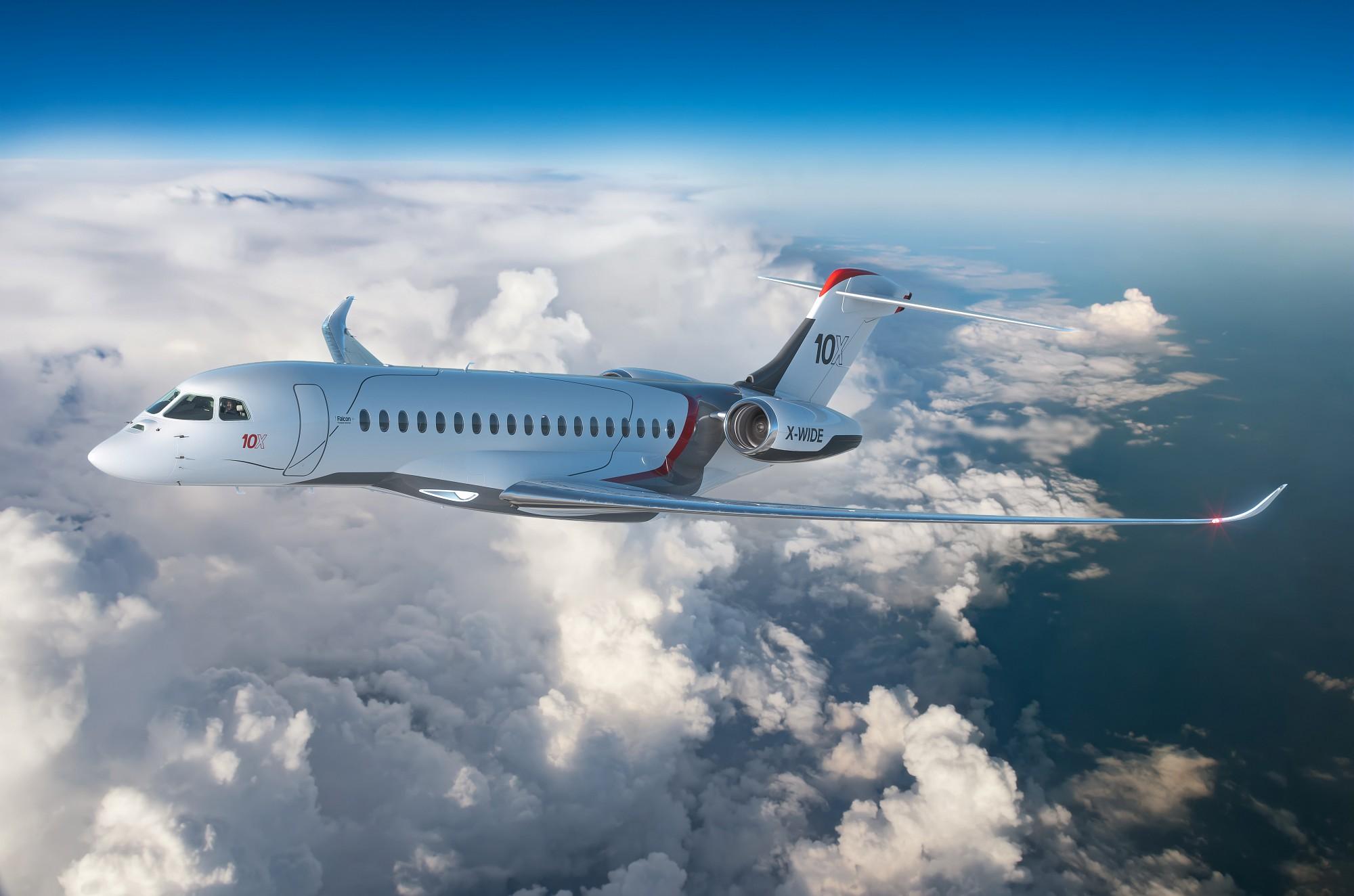
Let’s dive into what makes dual-mode private jets a groundbreaking concept and explore the possibilities they could bring to both aviation and land transportation.
- What Are Dual-Mode Private Jets?
A dual-mode private jet is a hybrid vehicle designed to function both as a traditional airplane and a ground vehicle. Unlike the typical design of private jets, which are solely for air travel, these dual-mode jets would incorporate elements of car-like functionality, allowing them to operate on runways, roads, and potentially even off-road terrain.
Airborne Mode: In the air, these jets would function just like any other high-end private aircraft, with all the luxury amenities, performance capabilities, and speed that modern private jets offer.
Land Mode: When it’s time to touch down, the jet would transform into a vehicle that can be driven on land. This means it could travel to and from airports, private residences, or other destinations without the need for additional transport, such as limousines or helicopters.
This concept aims to offer the flexibility of both worlds, rapid air travel for long distances and the practicality of land mobility for local travel.
- How Would Dual-Mode Jets Work?
To create a functioning dual-mode jet, several technological innovations and design considerations would be required. Here’s an overview of how these jets might operate in both air and land modes:
- Design and Engineering
The key challenge in designing a dual-mode private jet would be making sure it is both aerodynamically efficient for flying and structurally sound for driving on the ground. The vehicle would need to have retractable wings, engines capable of both air and ground propulsion, and a unique chassis to handle both modes of transport.
Retractable Wings: The wings of the jet would likely be designed to fold back or retract when transitioning from flying to driving. This would help the jet maintain aerodynamic efficiency during flight while also allowing it to be narrow enough to travel on roads without being too bulky.
Specialized Landing Gear: The landing gear would need to be robust enough to support the aircraft during flight and also versatile enough to act as wheels for driving on the road. For example, the wheels might be equipped with advanced shock absorbers or suspension systems to accommodate both high-speed land travel and the force of takeoff and landing.
Powerful Engines: Dual-mode jets would require engines capable of providing thrust for flying while also generating the necessary torque for driving on land. This could mean a combination of jet engines for airborne travel and a more traditional car engine or electric motors for land mobility.
- Transition Mechanism
Transitioning between air and land travel would be one of the most challenging aspects of dual-mode jet functionality. The jet would need an efficient system for shifting from flight mode to driving mode without compromising performance in either domain.
Automatic Systems: AI and automation would likely play a huge role in transitioning between modes. For instance, when the jet touches down, automated systems could deploy the landing gear and retract the wings. Similarly, when it’s time to take off, the system would reverse the process, ensuring a smooth and fast transition.
Hybrid Power Systems: A combination of jet propulsion and ground-based power would be necessary. For the air, the jet would rely on its powerful jet engines, while for land travel, it would need an electric or combustion engine that provides smooth driving capabilities at low speeds.
- Safety Features
Given the complexity of this dual-mode design, advanced safety features would be crucial. These might include:
Advanced Stability Systems: To prevent the jet from tipping over or losing balance when driving on the road, advanced stability control systems would be integrated, similar to those used in sports cars and off-road vehicles.
Autonomous Navigation: For land travel, the jet might also use self-driving technology or semi-autonomous navigation systems to ensure smooth operation in complex environments, like busy streets or narrow driveways.
Collision Detection and Avoidance: The jet would be equipped with collision avoidance technology for both air and land, ensuring it can safely navigate through busy airspace and roads alike.
- Why Would a Dual-Mode Private Jet Be Attractive?
The idea of a dual-mode private jet is primarily appealing to high-net-worth individuals who value time, efficiency, and exclusivity. Here’s why it could be so attractive:
- Time Savings
One of the biggest benefits of a dual-mode jet is the time saved by eliminating the need for multiple forms of transportation. Currently, a typical private jet user may need a helicopter or limousine to travel from the airport to their final destination. A dual-mode jet, however, could drive directly to the destination, cutting down on the time spent waiting for ground transportation.
Seamless Travel: Passengers could simply land at a small airport or private strip, and drive directly to their destination without leaving the comfort of their jet. This would be ideal for people who need to travel to areas with limited airstrip access.
- Enhanced Flexibility and Convenience
Dual-mode jets would offer unmatched flexibility. When flying to remote or less-accessible areas, passengers would not need to rely on additional vehicles or planes. This opens up new possibilities for travel to and from locations that may not have access to traditional airports or services.
Off-Road Potential: In the future, dual-mode jets could even be designed to drive on off-road terrain, allowing passengers to reach remote locations without needing to fly into a commercial airport.
- Luxury and Novelty
The concept of a jet that can drive on land would undoubtedly appeal to those who enjoy the novelty and luxury of having the best of both worlds. Not only would these jets offer the highest level of air travel luxury, but they would also create a unique experience for passengers as they seamlessly transition between flying and driving modes.
Customization and Comfort: These dual-mode jets would likely come equipped with top-tier luxury amenities, such as private suites, gourmet dining, and state-of-the-art entertainment systems. The flexibility of being able to drive to a final destination only adds to the allure of these jets.
- Exclusivity
For those who can afford it, owning a dual-mode private jet would represent the maximum experience of exclusivity. It would be a unique and innovative mode of transportation that not only stands out for its technological sophistication but also offers a completely new way of traveling.
- Challenges and Considerations
While the concept of dual-mode private jets is undeniably exciting, there are several challenges and considerations to take into account:
- Regulatory Issues
There would be numerous regulatory hurdles to overcome in order to make dual-mode jets a reality. Aviation authorities would need to approve the jet for both flight and road use, which could require the development of entirely new regulations for hybrid vehicles. Additionally, road safety laws would need to be adjusted to accommodate such vehicles, particularly in terms of speed limits, road use, and registration.
- High Development Costs
The development of a dual-mode private jet would require significant investment in research, development, and testing. The hybrid design, with advanced propulsion systems, transition mechanisms, and safety features, would require cutting-edge technology and engineering expertise. This would make the jets expensive to produce and own, limiting them to the wealthiest individuals or organizations.
- Infrastructure and Maintenance
Dual-mode jets would require specialized infrastructure to operate. Airports would need to be equipped with areas that can accommodate these vehicles, and roads would need to be suitable for high-speed, heavy-duty aircraft-turned-vehicles. Maintenance would also be complex, requiring specialized knowledge and parts for both aviation and automotive systems.
Conclusion
The concept of dual-mode private jets is an exciting step forward in the future of transportation, combining the luxury of air travel with the convenience of driving. While there are still significant technical, regulatory, and cost-related challenges to overcome, this innovative idea has the potential to revolutionize travel for the ultra-wealthy, offering unmatched flexibility, time savings, and exclusivity. As aviation technology continues to advance, it’s entirely possible that the dream of dual-mode jets, vehicles that can take off, fly, and drive, could one day become a reality, providing an entirely new way to travel in luxury.