PrivateJetia Private Jet Fly 94
Owning a private jet is often considered the maximum experience of luxury and convenience. It provides a very uniqueed flexibility, privacy, and comfort, allowing owners to travel at their own pace and according to their own schedules. However, with great luxury comes great responsibility – and significant financial commitment. Many aspiring private jet owners are initially attracted to the idea of private air travel but are unaware of the extensive costs involved in owning and operating a jet. In this article, we’ll explore the various factors that contribute to the overall cost of private jet ownership, helping you make an informed decision if you’re considering this extravagant investment.
- The Initial Cost of Acquiring a Private Jet
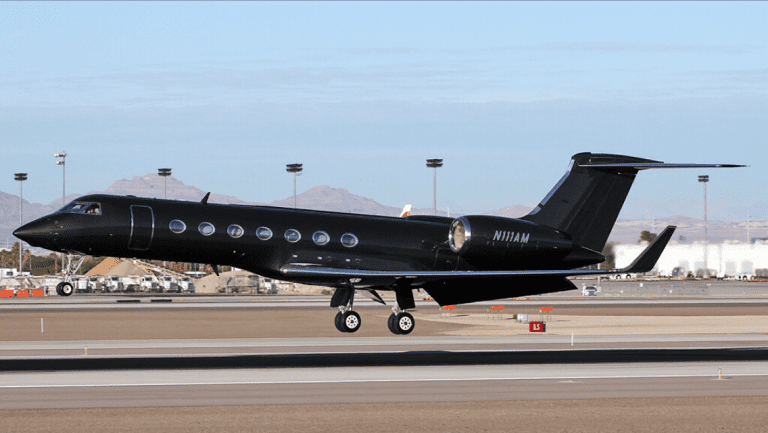
The first and most obvious cost of owning a private jet is the acquisition price. Depending on the size, brand, model, and age of the aircraft, the cost of purchasing a private jet can range from several million to tens of millions of dollars. A small, used jet may cost anywhere from $2 million to $5 million, while a larger, newer, and more luxurious model could easily exceed $70 million. For example, a new Gulfstream G650ER, one of the most popular private jets on the market, can cost upwards of $70 million.
There are various types of jets available for purchase, and the price can vary depending on several factors, such as the aircraft’s range, capacity, and speed. Jets with longer ranges, capable of traveling across continents without refueling, tend to be more expensive. Additionally, the age of the jet plays a role in determining the cost, with newer aircraft generally being more expensive than pre-owned ones. However, buying a new jet comes with the advantage of less immediate maintenance and potentially better resale value in the future.
- Financing and Loan Options
For most individuals, the prospect of purchasing a jet outright is not realistic. Instead, many buyers opt to finance their jet purchase through loans or leasing options. Financing a private jet typically requires a substantial down payment, which can range from 10% to 20% of the aircraft’s total cost. The loan itself can span several years, with interest rates that can fluctuate depending on the buyer’s financial situation and the jet’s value.
Loan repayment for a private jet can be significant, with monthly payments potentially ranging from $100,000 to $500,000 or more, depending on the cost of the jet and the terms of the loan. This expense adds a considerable amount to the overall cost of ownership, so it’s important to carefully assess whether you can afford the ongoing loan payments alongside the other costs involved in maintaining and operating the jet.
- Insurance Costs
Insurance is another important expense that comes with private jet ownership. Private jet insurance provides coverage for damage to the aircraft, as well as liability protection in case of an accident. The cost of insurance for a private jet depends on several factors, including the aircraft’s value, its age, and how often it is flown.
On average, private jet owners can expect to pay between $50,000 and $200,000 per year for insurance. Larger, more expensive jets typically have higher insurance premiums, while smaller or older jets may have lower premiums. It’s essential to factor this expense into your budget, as insurance is a necessary cost for protecting your investment and ensuring that you are covered in the event of an accident or damage to the aircraft.
- Maintenance and Repair Costs
Private jets require regular maintenance to ensure they remain in good working condition and comply with aviation regulations. The costs of maintaining a private jet can be significant, particularly for older aircraft or jets with complex systems. Maintenance expenses include routine inspections, repairs, parts replacement, and engine overhauls. In general, the cost of maintenance can range from $200,000 to $500,000 or more per year, depending on the age and type of the jet.
Some specific maintenance tasks that private jet owners must account for include:
- Routine Inspections: All private jets must undergo regular inspections, including annual inspections and more in-depth inspections every few years. These inspections ensure that the aircraft is airworthy and complies with safety standards.
- Engine Overhauls: The engines of private jets require periodic overhauls, which can be a major expense. Engine overhauls can cost anywhere from $500,000 to $2 million or more, depending on the type of engine and the age of the aircraft.
- Repairs and Replacements: Over time, various parts of the aircraft may require repairs or replacement. This can include avionics, landing gear, interior furnishings, and other components. These costs can add up quickly, especially if the jet is used frequently.
- Operating Costs: Fuel, Crew, and More
Once the private jet is acquired, insured, and maintained, the ongoing operating costs can add up quickly. The most significant operating cost for a private jet is fuel. The amount of fuel consumed by the aircraft depends on its size, range, and how often it is flown. A smaller jet, such as a Cessna Citation, typically consumes around 150 to 200 gallons of fuel per hour, while larger jets, like a Gulfstream G650, may consume upwards of 500 gallons per hour.
On average, fuel costs for a private jet can range from $1,500 to $4,000 per flight hour, depending on the aircraft’s size and the price of fuel at the time. For frequent travelers, these costs can quickly add up, making it one of the largest ongoing expenses associated with private jet ownership.
In addition to fuel, private jet owners must also account for the cost of hiring and paying a crew. A private jet typically requires at least two pilots, and depending on the aircraft’s size, you may also need additional crew members such as flight attendants or engineers. Salaries for pilots can range from $50,000 to $200,000 per year, depending on the type of aircraft and their experience. Flight attendants and other support staff may also be required, with salaries ranging from $40,000 to $100,000 per year.
- Hangar and Parking Fees
Private jets need a place to park when not in use, and hangar fees can be another significant cost to consider. The cost of renting a hangar space varies depending on the location, the size of the jet, and the availability of space. In general, hangar fees can range from $3,000 to $10,000 per month, with more exclusive locations or airports charging even higher rates.
In addition to hangar fees, there are also costs associated with parking the jet at airports. Many private airports charge fees for parking private jets, particularly if the aircraft is parked for extended periods. These fees can range from a few hundred to several thousand dollars per day, depending on the airport and the aircraft’s size.
- Depreciation and Resale Value
While owning a private jet can offer significant luxury and convenience, it’s important to consider the long-term financial impact of depreciation. Like any other high-value asset, a private jet will lose value over time. The depreciation rate of a private jet depends on several factors, including the aircraft’s age, condition, and market demand.
On average, private jets lose around 5% to 10% of their value per year. For example, if you purchase a jet for $10 million, it may be worth only $8 million after five years. However, the rate of depreciation can be slower for newer, well-maintained jets that have a higher resale value. To maximize the resale value, it’s essential to keep the aircraft well-maintained and up-to-date with the latest technology and features.
- Luxury Services and Additional Expenses
In addition to the core expenses of owning and operating a private jet, there are also various luxury services and optional expenses that can further increase the cost of ownership. These services can include:
- Personalized Catering: Many private jet owners opt for gourmet catering services, which can cost anywhere from a few hundred to several thousand dollars per flight, depending on the menu and level of customization.
- In-Flight Entertainment and Connectivity: For those who want to stay connected while in the air, private jets can be equipped with high-speed Wi-Fi and in-flight entertainment systems. These systems can cost several thousand dollars to install and can add ongoing fees for data usage.
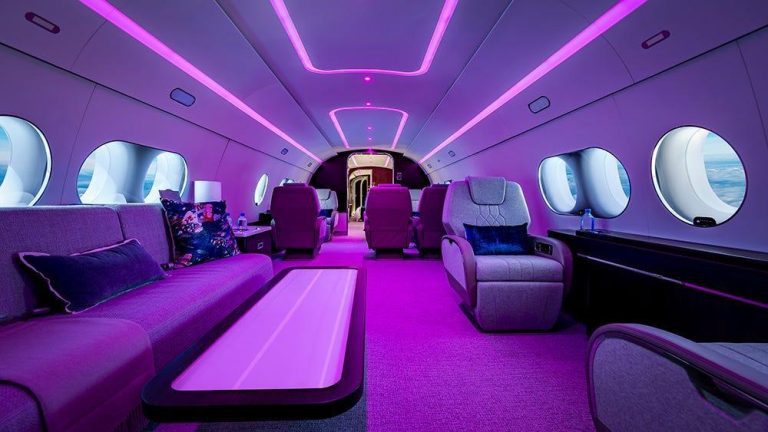
- Luxury Amenities: Some jet owners choose to upgrade the interior of their aircraft with luxurious features such as marble countertops, high-end upholstery, and custom-designed furnishings. These upgrades can significantly increase the cost of the jet and its ongoing maintenance.
- Alternative Options to Full Ownership
For those who desire the luxury of private jet travel without the full financial commitment of ownership, there are alternative options that can offer similar benefits at a lower cost. These include:
- Fractional Ownership: Fractional ownership allows you to purchase a share in a private jet, giving you access to the aircraft for a specified number of hours per year. This can significantly reduce the cost of ownership while still providing the benefits of private air travel.
- Jet Membership Programs: Some private jet companies offer membership programs that provide access to a fleet of aircraft for a monthly fee. These programs allow you to enjoy the convenience of private jet travel without the responsibility of ownership.
- Charter Flights: For occasional travelers, chartering a private jet can be an economical option. Charter flights allow you to rent a jet for a single trip without the long-term costs of ownership. However, chartering a jet may be more expensive per flight hour compared to fractional ownership or membership programs.
Conclusion
Owning a private jet is an incredible luxury, but it comes with significant financial responsibilities. From the initial purchase price to ongoing maintenance
, fuel costs, and crew salaries, the total cost of ownership can easily exceed several million dollars per year. For those who can afford it, a private jet offers a very uniqueed convenience, comfort, and privacy, allowing for seamless travel around the world. However, it’s important to weigh the financial commitment carefully and consider alternative options such as fractional ownership or chartering a jet before making the decision to buy. Whether you choose to own or explore other options, private jet travel offers an unmatched experience that’s truly worth the investment for those who desire the ultimate in luxury and convenience.