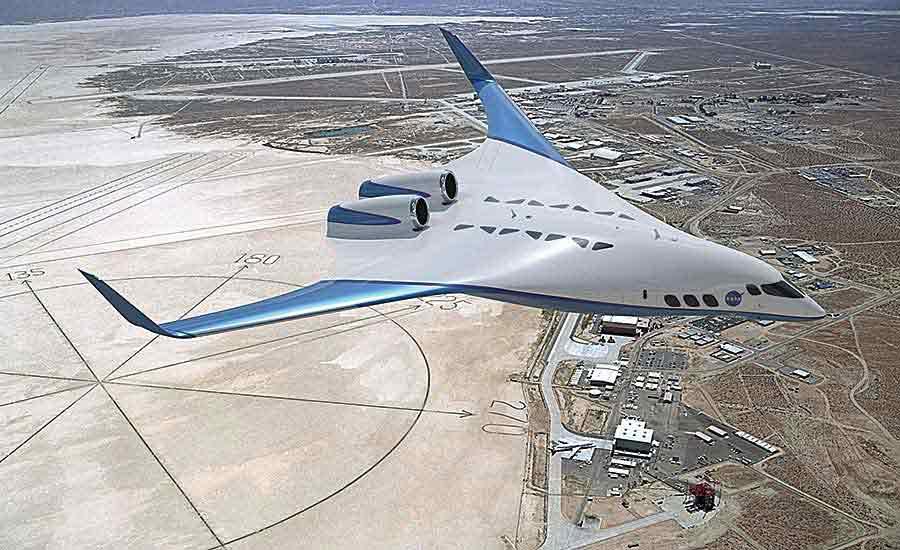
Private jet investment is not just about luxury; it’s also about making a smart financial move that can provide tangible returns over time. While owning a private jet often brings immediate personal or business benefits such as time savings, convenience, and exclusivity, it can also serve as an intelligent investment vehicle. However, to successfully navigate the complexities of private jet investments, one needs to approach it with creativity, knowledge, and strategy.
This creative guide will offer you insider tips and proven strategies to make a successful private jet investment. From understanding the potential return on investment (ROI) to choosing the right aircraft, we’ll walk you through the essential steps, so you can make an informed and financially sound decision.
Step 1: Understand the Private Jet Market and Its Potential
Before diving into the world of private jet investment, it’s crucial to understand the market dynamics. The private aviation market is influenced by various factors, including economic conditions, demand for air travel, and new aircraft technology. It’s important to recognize the trends and how they can affect the value of jets.
- Market Demand and Aircraft Types: Understanding the different types of private jets and their market demand is crucial for making an informed investment decision. Light jets, midsize jets, heavy jets, and ultra-long-range jets each cater to different market segments. For example, light jets might have a higher turnover rate due to their affordability, while heavy jets tend to offer more luxury, thus appealing to ultra-high-net-worth individuals.
- Economic Influences: The state of the global economy can heavily impact jet demand. In times of economic prosperity, private jet demand rises as businesses and high-net-worth individuals seek more flexible and luxurious travel options. Conversely, in economic downturns, the market may experience a decrease in demand, affecting resale values.
- New vs. Pre-Owned Jets: The choice between investing in a new jet versus a pre-owned jet is another key consideration. While new jets offer the latest in technology and features, they come at a higher price. Pre-owned jets, on the other hand, can offer significant savings but may require more maintenance and attention to their service history. A savvy investor may find better value in pre-owned aircraft by purchasing a model that has depreciated less than newer jets but still offers desirable features.
Step 2: Define Your Investment Goals and Objectives
Successful investors always begin by clearly defining their investment goals. When it comes to private jet investment, these goals can vary depending on your personal or business needs. Are you looking to generate passive income, enhance your business portfolio, or simply enjoy the perks of jet ownership while maintaining some level of financial return?
- Financial Return: For those looking to generate income, chartering the jet could be a viable option. You can offer your jet for private jet charters when you’re not using it, potentially covering a portion of the maintenance and operational costs. Alternatively, you may want to look for jets that have strong resale value potential, allowing you to sell the jet for a profit after a few years.
- Tax Benefits: One of the significant advantages of private jet ownership for business owners is the potential tax benefits. In many cases, jets can be written off as a business expense if they are used for business purposes. However, tax laws can be complex, and it’s essential to consult with a tax advisor who is familiar with aviation tax
- Hedging Against Inflation: Private jets are considered an inflation-resistant asset. As inflation rises, so does the cost of private aviation. This makes a jet an attractive long-term asset that may hold or increase in value, especially if it’s well-maintained and in high demand.
Step 3: Choosing the Right Aircraft for Investment
The type of private jet you choose will play a critical role in your investment success. You want to make sure the aircraft fits your investment strategy, as certain aircraft types are more likely to yield higher returns than others. Let’s take a look at some key factors to consider:
- Depreciation Rates: Just like any vehicle, private jets depreciate over time. However, the depreciation rate varies depending on the aircraft model. Light jets typically depreciate faster than heavy jets because they are often in higher supply. When buying a jet with the intention of reselling, look for a model with a slow depreciation rate that is likely to retain its value over time.
- Aircraft Age: The age of the jet can significantly affect its future resale value. A newer jet typically retains its value better in the early years, but as it ages, it may experience a steeper depreciation. Many savvy investors prefer to buy jets that are around 5-7 years old, as these aircraft often offer the best value, still relatively new but at a lower price point than brand-new models.
- Technology and Features: Modern private jets come with an array of technological advancements and luxury features, which can make them more attractive to potential buyers or charter clients. Look for jets with advanced avionics, Wi-Fi capabilities, and energy-efficient features. These additions can increase the aircraft’s desirability in a competitive market.
- Market Liquidity: Consider how easy it will be to sell your jet if you decide to exit your investment. Certain aircraft brands and models have a stronger resale market than others. Popular jet brands like Gulfstream, Bombardier, and Dassault Falcon have high liquidity due to their well-established reputation and demand.
Step 4: Financing and Funding Your Jet Investment
Private jets can be a significant capital investment, so securing the right financing is a key part of making a successful purchase. There are various financing options available, depending on whether you’re investing for personal or business purposes.
- Leasing vs. Purchasing: If you’re looking for a more flexible investment, consider leasing the jet rather than purchasing it outright. Leasing allows you to gain access to a private jet without the large upfront capital expenditure. On the other hand, owning the jet outright can provide you with full control and the opportunity to build equity over time.
- Private Jet Financing: When financing a private jet purchase, you may want to consider aviation-specific loans. These loans are tailored for high-value assets like private jets and often have better terms than general business loans. Rates can vary based on the age of the jet, your creditworthiness, and the size of your down payment.
- Tax Implications: As mentioned earlier, private jets used for business purposes can offer substantial tax deductions. It’s essential to work closely with an accountant or financial advisor to understand the full tax benefits of owning a jet.
Step 5: Manage and Maintain Your Investment
Once you’ve made your private jet investment, it’s essential to maintain it properly to protect its value and ensure it operates efficiently. Proper management and maintenance are key to maximizing the return on your investment.
- Regular Maintenance: Routine maintenance ensures that your aircraft is safe, efficient, and in good working condition. Regular inspections, repairs, and upgrades can help extend the life of your jet and prevent unexpected costs down the road. Ensure that you keep detailed maintenance logs to verify the aircraft’s condition when it’s time to sell.
- Hire a Crew: Managing a private jet also requires having a professional crew. This includes experienced pilots and maintenance staff. Your crew will ensure that your jet is kept in optimal condition and will also play a key role in managing any charter requests, which could be a profitable part of your investment.
- Track Market Conditions: Just as with any investment, you should continually track the aviation market and stay informed about supply and demand, aircraft pricing trends, and industry regulations. Having access to market data will allow you to make timely decisions about selling, leasing, or upgrading your jet.
Step 6: Exit Strategy and Resale of the Jet
As an investor, it’s important to have an exit strategy in place. Your ultimate goal might be to sell the jet for a profit at a later stage, and this requires careful planning.
- Resale Value: Keep in mind the depreciation rates and market conditions that could affect your jet’s resale value. The goal is to sell the jet at the right time when demand is high, and the aircraft is still in great condition.
- Resale Platforms: There are various online platforms and auction sites where private jets are sold. Working with a jet broker can help facilitate the process and ensure that you get the best price when it’s time to sell.
- Capital Gains Tax: If you sell your jet at a profit, you may be subject to capital gains tax. Work with your tax advisor to ensure you understand the tax implications of selling your jet.
Conclusion
Investing in a private jet can be an extremely rewarding venture when approached with the right strategies and insights. By understanding the private jet market, choosing the right aircraft, securing the appropriate financing, and maintaining your investment, you can make a successful jet investment that provides both personal enjoyment and solid financial returns. Whether you are looking to capitalize on chartering opportunities or planning for long-term appreciation, the creative strategies shared in this guide will set you on the path to private jet investment success.