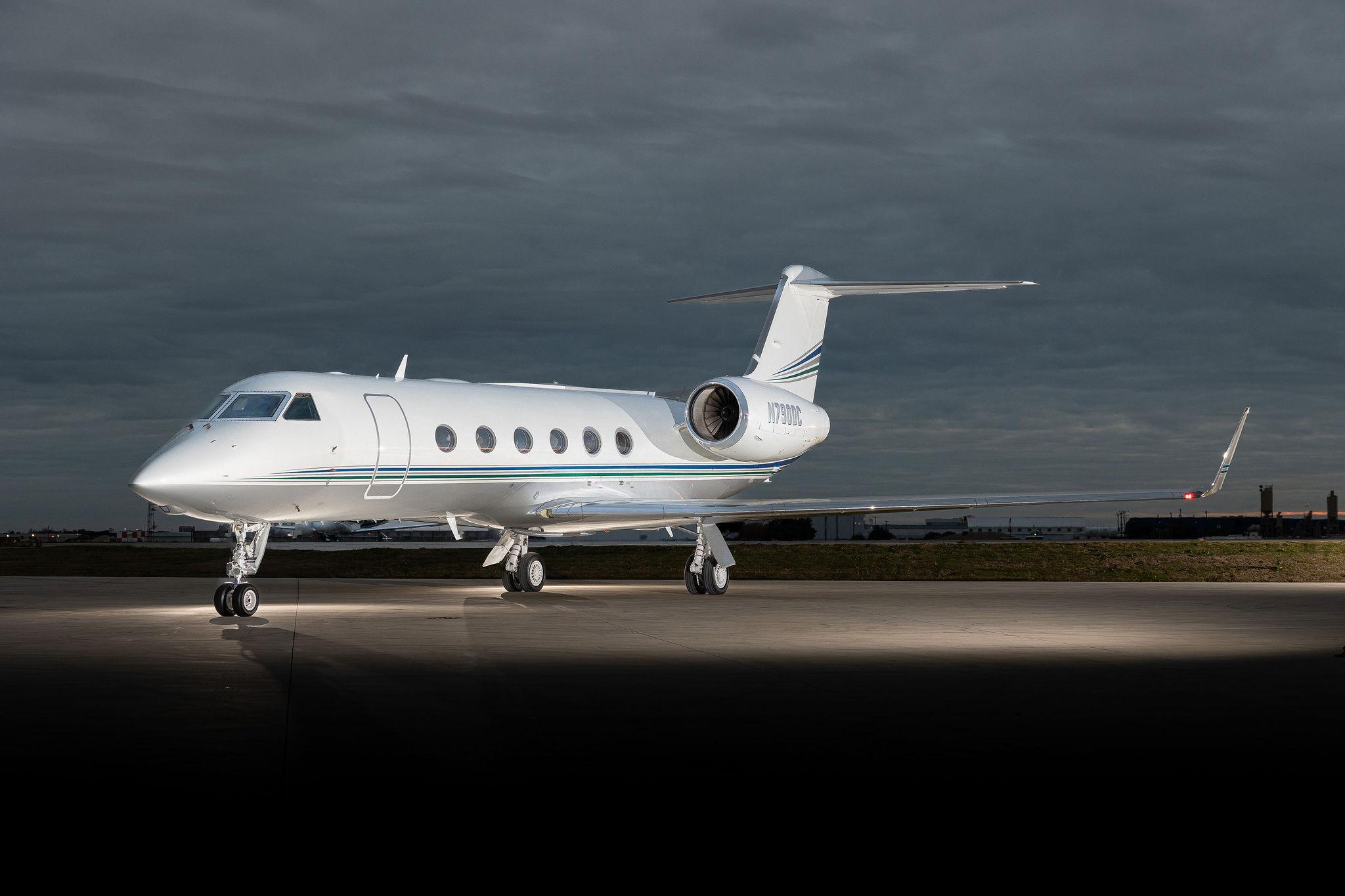
Luxury Travel Private Jet Privatejetia 16
Private jets are synonymous with luxury, speed, and efficiency in today’s world, offering a level of convenience and privacy that commercial flights simply cannot match. However, the private jet technology that we are accustomed to today didn’t emerge overnight. It is the result of decades of innovation, technological breakthroughs, and a relentless drive for excellence. From the first attempts at creating a private air travel experience to the state-of-the-art aircraft in service today, the development of private jet technology has been shaped by the demands of high-net-worth individuals, businesses, and even governments seeking an efficient, luxurious mode of travel. This article takes a deep dive into the evolution of private jet technology, offering a historical overview of how the industry developed into the powerhouse it is today.
Early Aviation and the Birth of Private Travel
The journey to private jets began in the early 20th century, as aviation pioneers sought to make air travel a reality. Although the first airplanes were built for military purposes or commercial transport, the idea of using aircraft for personal travel began to take hold in the 1920s and 1930s. During this period, wealthy individuals would often charter flights on commercial airliners for private use. However, these early aircraft were not designed with luxury in mind. Instead, they were adapted to meet the basic needs of those willing to pay for a private flying experience.
In the 1930s, Charles Lindbergh’s transatlantic flight and other high-profile achievements sparked public interest in aviation. However, it wasn’t until the post-World War II era that aviation technology began to evolve in ways that would allow for dedicated private aircraft. After the war, many of the innovations developed for military aircraft were adapted for civilian use, giving birth to the concept of private jets.
The 1950s and 1960s: The Dawn of the Business Jet
In the years following World War II, aviation technology advanced rapidly, and private air travel began to take shape. While commercial airliners were starting to become more commonplace, a demand for faster and more luxurious travel options emerged, especially among wealthy businessmen and top executives. The commercial aviation market had already introduced the jet engine, and this technology was soon adapted for private use.
The first significant leap in private jet technology came in 1958 with the introduction of the Cessna 500. The Cessna 500 was one of the earliest business jets, and although it was a small and simple aircraft by today’s standards, it marked the first time an aircraft had been specifically designed for private, business use. The introduction of the Learjet 23 in 1963 was another game-changer, setting the stage for the modern private jet industry. The Learjet 23, designed by Bill Lear, was the first true private jet, offering speed, efficiency, and luxury in a compact, sleek design.
The Learjet 23 was revolutionary because it was the first aircraft to cater exclusively to the needs of private aviation. Its small size, advanced engines, and luxurious interior made it the go-to choice for corporate executives and the wealthy elite who sought a faster, more efficient way to travel. Its success was the catalyst for the growth of the private aviation industry, and it spurred further technological advancements in jet design.
The 1970s and 1980s: The Expansion of Private Aviation
The 1970s and 1980s saw a tremendous expansion of the private aviation market, as the demand for business jets skyrocketed. Private aircraft manufacturers began to understand that private jet technology had to cater not just to the needs of wealthy individuals, but to businesses that required efficient, long-distance travel for executives. As a result, aircraft designs became larger, more advanced, and more luxurious. These developments allowed private aviation to become a significant part of the global business landscape.
During this period, the introduction of the Gulfstream I in 1970 and the Gulfstream II in 1977 marked significant advancements in private jet technology. Gulfstream’s designs were aimed at creating aircraft that offered better performance, longer ranges, and increased comfort. The Gulfstream II was especially important, as it represented a major leap forward in terms of size, speed, and luxury compared to earlier models. It was able to carry more passengers and fly longer distances, making it a favorite among corporate travelers.
In the early 1980s, Bombardier introduced the Challenger 600, another major advancement in private jet technology. The Challenger 600 offered a larger, more spacious cabin and superior range, making it one of the most popular jets of its time. Its success marked the beginning of Bombardier’s prominent role in the private jet industry, and the company continued to innovate with new designs and features that would shape the future of private aviation.
The 1980s also saw the introduction of other jets such as the Dassault Falcon 50 and Dassault Falcon 900, which featured advanced avionics and greater passenger comfort. These jets were larger and more capable, with more luxurious interiors that catered to the needs of high-net-worth individuals and corporate executives.
The 1990s and 2000s: Technological Advancements and New Features
The 1990s and 2000s saw even more significant advancements in private jet technology. By this time, the industry had become a billion-dollar global market, with new models continually being developed to meet the increasing demands of private jet owners. During this period, there was a strong focus on improving the efficiency, range, and luxury of private jets.
One of the most notable technological developments was the introduction of fly-by-wire technology, which replaced traditional mechanical flight controls with electronic systems. The Dassault Falcon 7X, introduced in 2005, was the first business jet to feature fly-by-wire technology, which made the aircraft more stable, safer, and easier to fly. This technology also allowed for more efficient flight, helping to reduce fuel consumption and emissions.
The introduction of the Gulfstream V in 1997 was another key moment in the history of private jets. The Gulfstream V was capable of flying nonstop from the United States to Europe, a major milestone for long-range private aviation. The Gulfstream V also offered state-of-the-art avionics, advanced communication systems, and a luxurious interior, making it a favorite among top executives and ultra-high-net-worth individuals. The Gulfstream V became the benchmark for private jets, and its success helped Gulfstream maintain its position as a leader in the private jet market.
During the same period, companies such as Bombardier and Embraer introduced a new generation of aircraft with improved performance, enhanced comfort, and lower operating costs. The Bombardier Global 5000 and Embraer Legacy 600 became popular choices for business executives, offering spacious cabins and advanced technology to enhance the flying experience.
The 2010s: Focus on Luxury and Efficiency
The 2010s brought an era of even more sophisticated private jets, with a strong emphasis on luxury, technology, and efficiency. Private jets were no longer just a tool for transportation; they were seen as an extension of personal lifestyle, and owners demanded more comfort, advanced technology, and greater customization options.
One of the most notable developments during this period was the introduction of the Bombardier Global 7500 in 2018. The Global 7500 set new standards in terms of range, luxury, and cabin space. It featured a fully customizable interior, with options for private suites, full-service kitchens, and expansive lounges. The Global 7500 was also the first aircraft to offer a sleep-conversion feature, allowing seats to be transformed into beds for maximum comfort on long-haul flights. With a range of 7,700 nautical miles, it was capable of flying non-stop from New York to Hong Kong, a significant achievement in private aviation.
At the same time, manufacturers began focusing on fuel efficiency and sustainability. The development of sustainable aviation fuel (SAF) and the increasing demand for electric and hybrid-electric aircraft marked the beginning of a new era in environmentally friendly aviation. Many private jet manufacturers began to explore the use of SAF to reduce the carbon footprint of their aircraft, while others started experimenting with electric propulsion systems to power smaller, short-range jets.
The 2020s and Beyond: Innovation, Sustainability, and the Future of Private Jets
As we move into the 2020s, the private jet industry is embracing new technologies and innovations that promise to revolutionize the way we think about private aviation. Sustainability is now a key focus, with both manufacturers and passengers becoming increasingly concerned with the environmental impact of air travel. Electric aircraft and hybrid propulsion systems are being developed to reduce the carbon footprint of private aviation, and it is expected that these technologies will play a major role in the future of private jet travel.
In addition to sustainability, the concept of urban air mobility (UAM) is also gaining traction. UAM refers to the development of aircraft capable of taking off and landing vertically, allowing for more flexible and efficient transportation in urban environments. These aircraft, often referred to as vertical take-off and landing (VTOL) vehicles, are being developed to offer a faster and more direct mode of transportation for passengers. While these aircraft are still in the early stages of development, they could significantly change the landscape of private aviation in the coming decades.
The future of private jets will also be marked by even greater customization and personalization. As demand for luxury and exclusive experiences continues to grow, private jet manufacturers are expected to offer even more customized options, from fully customized interiors to personalized in-flight services. Passengers can expect to see a greater integration of technology, with smart cabin systems that allow for more control over lighting, temperature, entertainment, and more.
Conclusion
The development of private jet technology has been a fascinating journey, from the early days of chartered flights to the advanced, luxurious aircraft of today. Over the decades, private jet technology has continually evolved, driven by the demands for efficiency, speed, luxury, and sustainability. As we look to the future, we can expect even more exciting advancements in the world of private aviation, with innovations in electric propulsion, urban air mobility, and sustainability. The history of private jets is a testament to human ingenuity and the constant pursuit of excellence in flight.


1 thought on “The Development of Private Jet Technology: A Historical Overview”