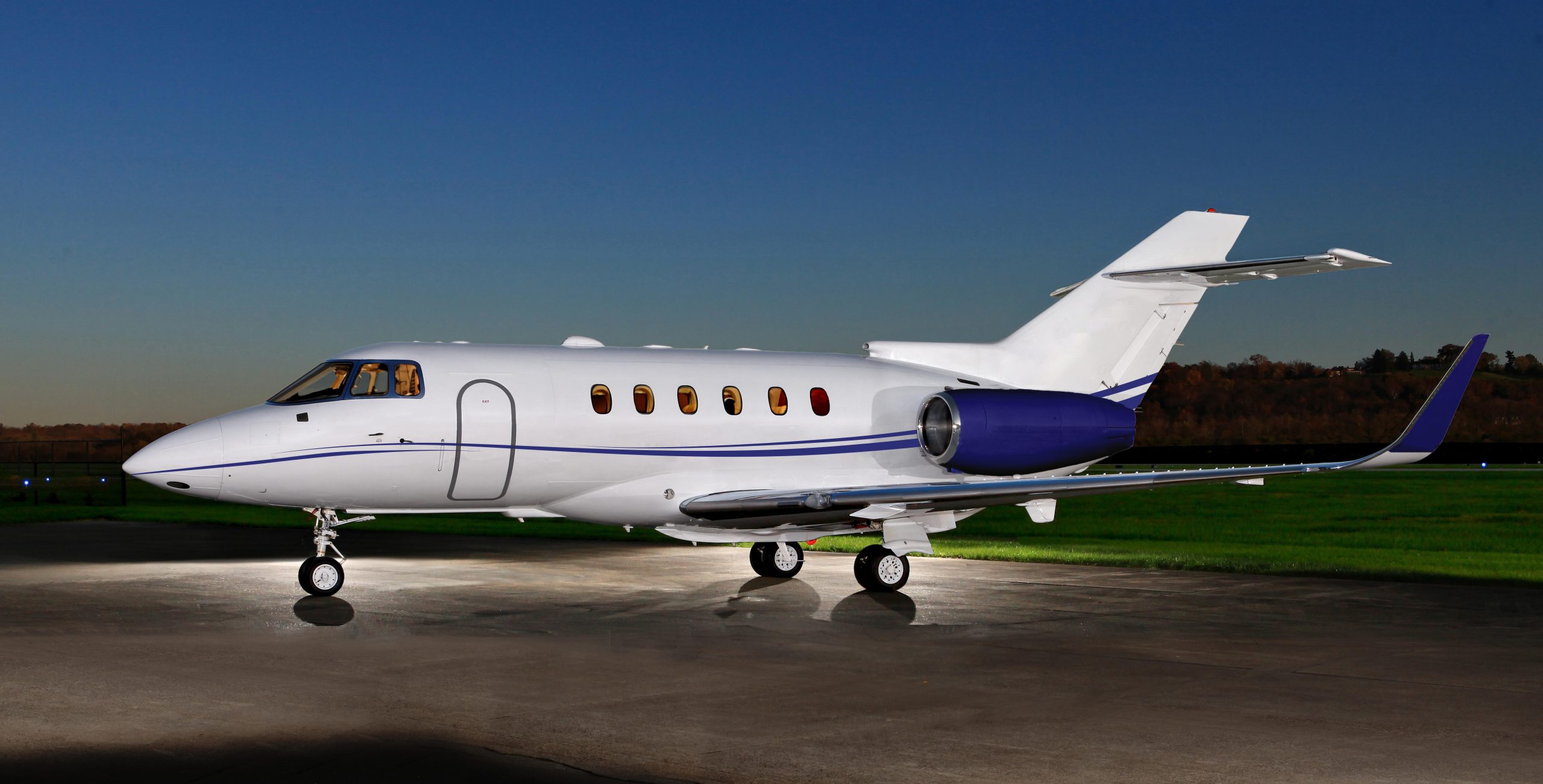
The world of air travel is evolving rapidly, not only in terms of speed and efficiency but also in the passenger experience. As technology continues to advance, private jets are becoming more than just a mode of transportation; they are evolving into luxurious spaces designed to improve passenger well-being and comfort. One of the most exciting developments in this field is the integration of AI-based wellness and stress reduction systems.
Flying, especially over long distances, can be a stressful and tiring experience for many passengers. Factors such as turbulence, cramped spaces, noisy cabins, and jet lag can all contribute to a less-than-ideal flying experience. However, with the rise of AI-powered wellness technologies, the future of air travel is set to become more comfortable, relaxing, and stress-free. From personalized mood settings to real-time health monitoring, AI is poised to play a key role in improving both physical and mental well-being during flights.
Understanding AI-Based Wellness Systems
AI-based wellness systems use data collected from various sensors, wearables, and other onboard technologies to create a personalized experience that caters to each passenger’s unique needs. These systems can monitor a wide range of factors, from heart rate and stress levels to body temperature and sleep patterns, to ensure that passengers are as comfortable as possible during their flight.
Using this data, AI systems can automatically adjust cabin conditions, such as temperature, lighting, and humidity, to optimize the environment for relaxation and well-being. These systems can also provide real-time suggestions for in-flight activities, such as breathing exercises, meditation sessions, or stretching routines, designed to reduce stress and enhance mental clarity.
The Role of AI in Stress Reduction
Stress is one of the most common complaints among frequent flyers, and it can be triggered by a number of factors, including the stress of travel itself, jet lag, and the discomfort of being in a confined space for extended periods. AI-powered systems are working to address these issues by proactively identifying and managing stress factors during the flight.
- Personalized Environment Adjustment
AI systems can use real-time data to assess a passenger’s stress levels and adjust the cabin environment accordingly. For example, if a passenger’s heart rate increases, the AI system might automatically adjust the cabin’s lighting to a softer, more relaxing tone, change the temperature to a more comfortable level, or even play calming music to help reduce anxiety.
In addition to these changes, AI can adjust the air quality, ensuring that the cabin is well-ventilated and that the optimal humidity levels are maintained. These adjustments work together to create a more pleasant and relaxing atmosphere, which is particularly important for those who experience anxiety or stress during flights.
- Mood-Enhancing Lighting and Ambience
Lighting plays a crucial role in how we feel, and AI-based systems are able to manipulate lighting in ways that influence passengers’ moods and energy levels. For instance, the system could gradually transition from bright, energizing lights to soft, calming tones as the flight progresses, helping passengers to unwind and relax as they prepare for rest.
AI can also synchronize lighting with natural circadian rhythms to minimize the effects of jet lag. By adjusting the lighting to mimic the time of day at the passenger’s destination, the system can help regulate sleep patterns and promote better rest.
- Personalized In-Flight Entertainment and Activities
Another key element of stress reduction during flights is entertainment. AI-based systems are capable of recommending in-flight entertainment that aligns with passengers’ preferences, offering a customized entertainment experience. Whether it’s a calming meditation session, a favorite movie, or even a playlist designed to relax the mind, AI can curate options that help to take the passenger’s mind off the stress of flying.
In addition to entertainment, AI systems can suggest relaxation techniques customized to the individual’s needs. For instance, if a passenger shows signs of stress, the system might recommend a short guided breathing exercise or a series of gentle stretches to help relieve tension.
AI for Sleep Optimization
Jet lag is a common issue for long-haul travelers, and it can significantly impact passengers’ well-being, particularly on business trips or vacation time. AI-based systems are increasingly being used to optimize sleep during flights, helping passengers to feel rested upon arrival.
- Sleep Environment Customization
AI systems can assess the sleep quality of passengers by monitoring their sleep stages, body movement, and breathing patterns. Based on this information, the system can adjust the cabin’s lighting, temperature, and even background noise to promote a deeper and more restorative sleep. For example, cooler temperatures and dimmer lighting can signal to the body that it’s time to rest, while a white noise generator can mask distracting sounds from the aircraft.
AI can also help synchronize sleep schedules with the destination’s time zone, gradually adjusting cabin conditions to help passengers align with their destination’s day-night cycle. By mimicking the natural progression of time, AI can reduce the effects of jet lag and make it easier for passengers to adjust to their new time zone upon arrival.
- Sleep-Tracking Wearables
In addition to environmental adjustments, wearables integrated with AI-powered systems can track passengers’ sleep quality. These wearables, such as smart wristbands or sleep masks, monitor body movements and sleep patterns, offering insights into the quality of rest passengers are getting during the flight.
AI can then use this data to provide recommendations for improving sleep quality, such as suggesting specific sleep aids or advising on relaxation techniques before rest. This personalized approach ensures that passengers are getting the most out of their sleep time in the air.
Real-Time Health Monitoring for Wellness
AI-powered wellness systems can also monitor the overall health of passengers in real time, providing early warnings about potential health issues. Sensors embedded in the seats, wearables, or even the cabin environment can monitor factors such as blood pressure, heart rate variability, and oxygen levels, alerting the flight crew if any issues arise.
This real-time health data allows flight attendants or medical personnel to take immediate action if necessary, ensuring that passengers are safe and comfortable during the flight. Additionally, AI can assist in tracking and managing chronic conditions, such as diabetes or heart disease, by providing alerts when medication is required or if any irregularities are detected.
The Future of AI-Based Wellness in Aviation
As technology advances, AI-based wellness systems will only continue to improve. The future of in-flight wellness lies in even more personalization and automation. Imagine a future where AI systems can predict a passenger’s needs before they even express them, seamlessly adjusting the environment for optimal comfort and well-being.
Moreover, AI will likely integrate more biometric sensors, allowing for even more precise real-time monitoring of passengers’ health and stress levels. With the continued development of AI, in-flight wellness systems will be able to offer increasingly sophisticated treatments, such as AI-guided meditation sessions, virtual wellness coaches, or customized nutritional recommendations based on individual health data.
Conclusion
The integration of AI-based wellness and stress reduction technologies in private jets is transforming the way passengers experience air travel. By offering personalized stress-reducing features, sleep optimization, and real-time health monitoring, AI is improving the overall comfort and well-being of passengers. As these technologies continue to evolve, we can expect even more advanced systems that will create a truly seamless and relaxing in-flight experience. For private jet owners and passengers, the future of air travel is not just about getting from one place to another, it’s about making the journey itself an enjoyable, stress-free experience.