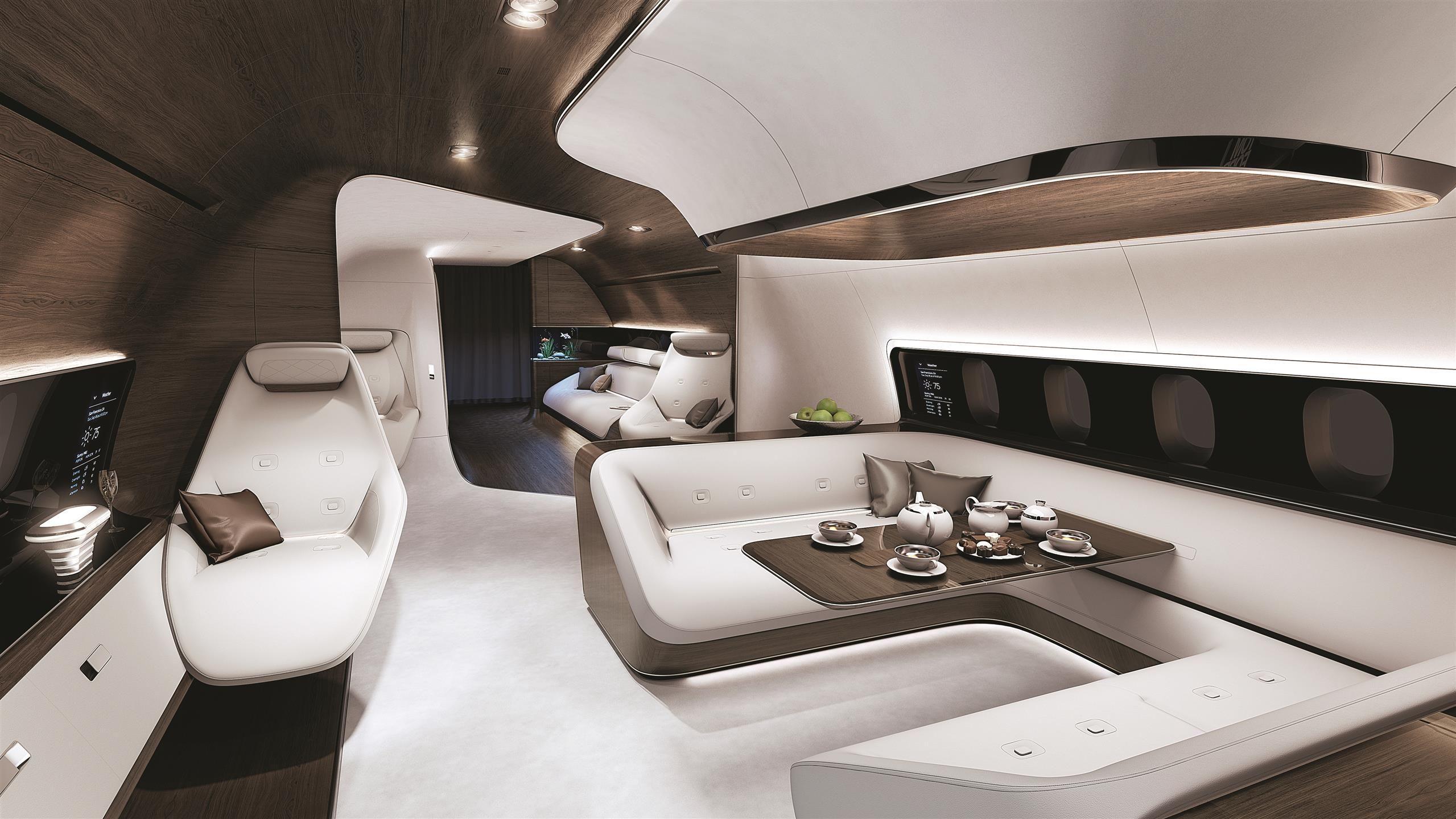
In the ever-evolving world of private aviation, AI-powered technologies are poised to reshape the flying experience in ways that were once thought impossible. One of the most exciting developments on the horizon is the rise of AI-generated real-time flight assistants. These intelligent systems have the potential to revolutionize the way passengers interact with private jets, offering seamless, personalized experiences that enhance comfort, convenience, and efficiency. From real-time flight updates to personalized in-flight services, AI-powered flight assistants are set to become an essential part of the private jet experience.
The Role of AI in Real-Time Flight Assistance
AI-based real-time flight assistants are designed to integrate into the aviation ecosystem, offering a range of services to both passengers and crew. These assistants leverage machine learning, natural language processing, and predictive analytics to anticipate passenger needs, provide on-demand support, and enhance safety throughout the flight. AI assistants are capable of processing vast amounts of data in real time, allowing them to make decisions quickly and efficiently.
In the context of private aviation, real-time flight assistants can be likened to personal concierge services, but powered by artificial intelligence. They can offer customized solutions for passengers based on their preferences, monitor flight progress, and provide timely updates on everything from weather conditions to turbulence forecasts.
Personalized In-Flight Assistance
One of the key advantages of AI-generated real-time flight assistants is their ability to provide personalized assistance throughout the flight. Whether it’s adjusting the cabin temperature, offering a customized meal menu, or recommending entertainment options, AI assistants will be able to tailor services to each passenger’s preferences.
AI systems can learn about a passenger’s likes and dislikes from previous flights and adapt accordingly. For example, if a passenger prefers a certain type of music or has a specific seating preference, the assistant will automatically adjust the environment to meet those needs. In addition, AI-powered assistants can ensure that the in-flight services are prompt and precise, assisting with anything from meal requests to entertainment choices.
- Customizing Passenger Comfort
The personalized nature of AI-based assistants ensures that passengers can receive customized recommendations throughout their journey. For example, if a passenger frequently requests a certain cabin temperature, AI will memorize that preference and automatically adjust it for every future flight. Additionally, AI assistants can track passengers’ sleep schedules and suggest optimal times to adjust the lighting, temperature, or cabin pressure for maximum rest.
These assistants can also monitor passenger health in real time. With access to wearable devices or health monitoring systems, AI can adjust the flight environment to enhance well-being, such as adjusting the cabin’s air quality based on oxygen levels or offering hydration reminders for passengers during long-haul flights.
- Efficient Flight Updates
AI-powered assistants can also provide passengers with real-time flight status updates. These updates include information such as flight duration, weather forecasts, and estimated time of arrival. The assistant can also notify passengers about any potential delays or diversions and provide alternative travel options if necessary. This proactive communication ensures passengers remain informed and in control throughout their journey.
Furthermore, AI systems can predict and alert passengers about turbulence or adverse weather conditions ahead of time, allowing them to prepare or request assistance in advance.
- Enhanced In-Flight Entertainment
In-flight entertainment is another area where AI-generated real-time flight assistants can significantly enhance the passenger experience. By learning about passengers’ preferences and habits, AI assistants can curate personalized entertainment options, including movies, music, and games that suit the individual’s tastes. For instance, if a passenger enjoys a particular genre of film, the assistant could suggest similar movies or TV shows.
AI could also offer real-time recommendations for local attractions or destinations, providing a more immersive experience during the flight. Whether passengers are looking for business-related resources or relaxation opportunities, the assistant would curate relevant suggestions to suit their needs.
Operational Efficiency for Crew and Pilots
In addition to serving passengers, AI flight assistants can be instrumental in enhancing the efficiency of flight operations. They can support both pilots and crew members by providing critical real-time information, coordinating tasks, and assisting with flight management.
- Optimizing Flight Paths
AI can assist in optimizing flight routes by analyzing real-time weather data, air traffic conditions, and even turbulence patterns. The assistant can recommend altitude adjustments or route changes to improve the flight experience for passengers, as well as reduce flight times and fuel consumption.
Pilots will have access to real-time insights that help them make informed decisions about the best course of action to enhance flight safety and efficiency. AI flight assistants can provide pilots with up-to-the-minute updates on weather patterns, airspace congestion, and other critical data, ensuring the most optimal flight path is followed.
- Streamlining In-Flight Operations
The AI flight assistant can automate numerous administrative tasks during the flight, reducing the workload for the flight crew. From keeping track of meal orders to ensuring passenger requests are met in a timely manner, the assistant acts as an efficient resource to enhance service quality and streamline operations.
By gathering and processing data on passenger preferences, requests, and any specific issues, the assistant can provide the flight crew with detailed insights that improve overall service delivery and reduce communication errors.
The Future of AI Flight Assistants
As AI technology continues to evolve, the role of real-time flight assistants will expand even further. Here are some of the ways AI flight assistants could transform the private jet experience in the future:
- Proactive Health and Wellness Monitoring
In the future, AI assistants could integrate more advanced health monitoring systems, such as biometric sensors and real-time data analytics, to track passenger health and provide suggestions for optimal comfort and safety. For instance, the assistant could analyze a passenger’s heart rate, body temperature, or sleep patterns and recommend changes in flight conditions to support their well-being.
- Seamless Communication and Integration
AI-based flight assistants could offer seamless communication between passengers, flight crews, and other relevant parties, allowing passengers to make requests or changes to their flight itinerary without interruption. Whether it’s adjusting the flight path or making special accommodations for a specific request, the AI assistant will ensure smooth and efficient communication in real time.
- Integration with Smart Aircraft Systems
In the future, AI assistants could be fully integrated with smart jet technologies, controlling everything from the aircraft’s lighting and climate to entertainment and in-flight services. With more data collected from various sources, AI could optimize every aspect of the flight to enhance comfort, reduce energy consumption, and increase operational efficiency.
Conclusion
AI-generated real-time flight assistants are poised to revolutionize the private jet industry. By providing personalized services for passengers, optimizing in-flight operations, and enhancing safety and efficiency for crew members, these intelligent systems will transform the private aviation experience. With advancements in AI, machine learning, and data analytics, real-time flight assistants will continue to improve, offering increasingly sophisticated and customized experiences. As these technologies continue to evolve, the future of private jet travel will be more comfortable, efficient, and connected than ever before.