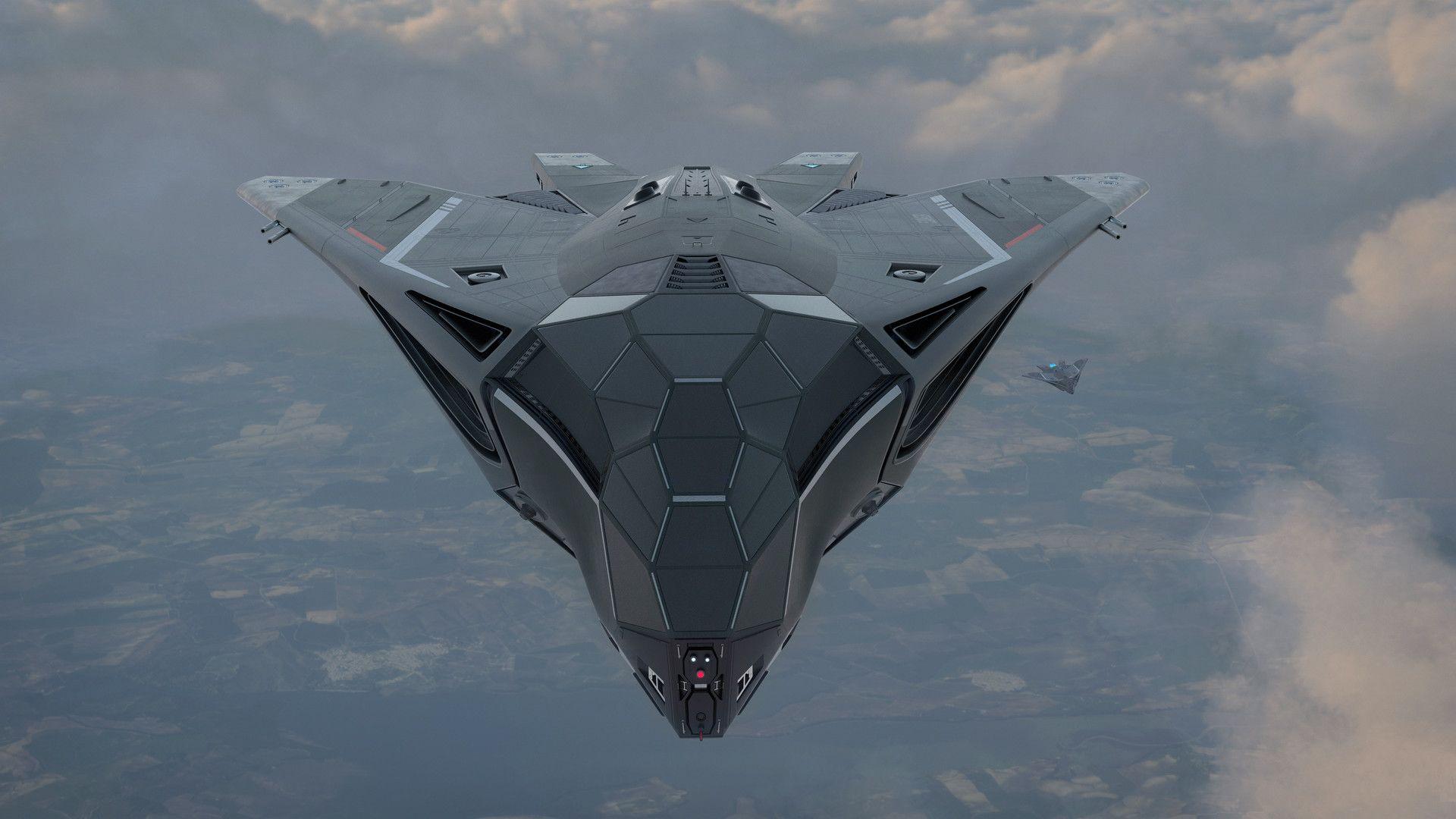
The private jet industry is experiencing rapid transformation, driven by cutting-edge technologies and changing consumer demands. At the heart of this transformation is artificial intelligence (AI), which is revolutionizing how private jet companies approach marketing. In a competitive market, where customer expectations are high and differentiation is key, AI-generated smart marketing strategies are becoming essential tools for companies to stay ahead. These strategies leverage data analytics, machine learning, and automation to create highly personalized, efficient, and cost-effective marketing campaigns. As the technology continues to evolve, it is set to shape the future of how private jet services are marketed and consumed, offering both new opportunities and challenges for companies in this space.
One of the primary benefits of AI-generated marketing is its ability to personalize advertising campaigns at an unprecedented level. In the past, private jet companies often relied on broad demographic targeting, aiming at high-net-worth individuals or corporate executives. However, AI can take personalization to the next level by analyzing a wealth of data from multiple sources, including browsing habits, social media activity, and even purchase histories. By leveraging big data, AI can identify specific customer preferences, behaviors, and pain points, allowing companies to tailor their marketing messages accordingly.
For example, AI can track the travel patterns of potential customers and analyze their previous interactions with private jet companies, enabling companies to send targeted promotions at the right time. Whether a customer has shown interest in luxury travel options or has previously booked flights for specific types of trips (business, leisure, or emergency), AI can help craft messages that align with their specific needs and desires. This level of personalization helps private jet companies establish stronger connections with potential clients, fostering trust and loyalty in a way traditional marketing methods could never achieve.
Another exciting development in AI-generated marketing for private jet services is the use of predictive analytics to forecast future customer behavior. By processing vast amounts of historical data, AI can predict when customers are most likely to require private jet services, allowing companies to anticipate demand and create preemptive marketing strategies. For example, if AI detects that a customer has frequently traveled to specific destinations for business purposes, it can predict when they might next need a flight to that location. The AI can then trigger automated campaigns to offer special deals or promotions related to that route or service, improving conversion rates and customer satisfaction.
AI’s ability to optimize marketing campaigns in real-time is another advantage that sets it apart from traditional methods. With machine learning, AI can continuously analyze the effectiveness of marketing efforts and make adjustments on the fly. For instance, if an email campaign is not generating the desired response, the AI can analyze which subject lines, offers, or content types resonate best with recipients and automatically adjust the campaign in real time to boost engagement. This level of agility allows private jet companies to maximize the return on their marketing investments and ensures that campaigns are always aligned with market trends and consumer preferences.
In addition to personalization and real-time optimization, AI is transforming the way content creation is handled in private jet marketing. Natural language processing (NLP) and AI-driven content tools can generate high-quality, relevant marketing content at scale. AI-powered tools can craft blog posts, social media captions, advertisements, and even customer support responses that resonate with target audiences. By analyzing vast amounts of customer data, AI can identify the tone, style, and messaging that most effectively engages potential clients. This not only saves time and resources for marketing teams but also ensures that content is consistently relevant and impactful.
A key aspect of AI-generated smart marketing strategies is the ability to automate customer interactions through chatbots and virtual assistants. Private jet companies can use AI-powered bots to engage potential customers on their websites, social media platforms, or mobile apps. These bots can provide instant responses to inquiries, assist with flight bookings, or offer personalized recommendations based on customer preferences. With natural language processing capabilities, these AI systems can engage in meaningful conversations that make potential clients feel heard and valued, providing a seamless customer experience. By automating these interactions, companies can free up valuable time for human staff to focus on more complex tasks, ultimately increasing efficiency and reducing operational costs.
The future of private jet marketing also lies in AI-powered advertising that uses advanced targeting techniques to reach potential customers more effectively. Traditional advertising methods, such as television or print ads, have limited targeting capabilities. However, AI can analyze online behavior and digital footprints to identify the ideal audience for private jet services. For example, AI can use data from social media, search engine queries, and online purchases to pinpoint individuals who may be in the market for private jet services. Ads can then be delivered to these prospects at the right moment, on the right platform, and with the right message, significantly improving ad relevance and conversion rates.
Moreover, AI is poised to play a critical role in enhancing the customer journey from initial awareness to post-purchase engagement. Through sentiment analysis, AI can monitor customer feedback and sentiment across social media and other platforms. This data can provide valuable insights into customer satisfaction, allowing private jet companies to adjust their services, marketing messages, or customer engagement tactics accordingly. For example, if AI detects a negative sentiment surrounding a particular aspect of the service, such as flight delays or pricing, companies can take proactive steps to address these concerns, either by modifying their offerings or adjusting their messaging. This ability to monitor and respond to customer sentiment in real time can help private jet companies maintain a positive brand image and build long-term customer relationships.
AI-driven marketing strategies are also enabling hyper-targeted advertising. Using geolocation data, AI can send customized marketing messages to individuals who are physically near private jet airports or hubs. These messages may include promotions, special offers, or invitations to visit a showroom or experience a test flight. This hyper-targeting not only increases the relevance of the marketing messages but also drives immediate action from potential customers, leading to higher engagement and conversion rates.
As AI continues to evolve, the future of marketing for the private jet industry will likely involve even more innovative solutions. For example, AI may enable augmented reality (AR) and virtual reality (VR) experiences, allowing customers to take virtual tours of private jets or explore different services before making a decision. Additionally, the integration of AI with blockchain technology could lead to more transparent and secure marketing campaigns, providing customers with verifiable information about the jet services they are considering.
In conclusion, the future of AI-generated smart private jet marketing strategies is incredibly promising. With its ability to deliver highly personalized, data-driven, and efficient marketing campaigns, AI is reshaping the way private jet companies reach and engage potential clients. From predictive analytics and real-time optimization to content generation and AI-powered customer interactions, AI is enabling private jet services to provide a seamless, targeted, and innovative marketing experience. As the technology continues to evolve, it will unlock even more opportunities for growth, allowing private jet companies to thrive in an increasingly competitive and demanding market.