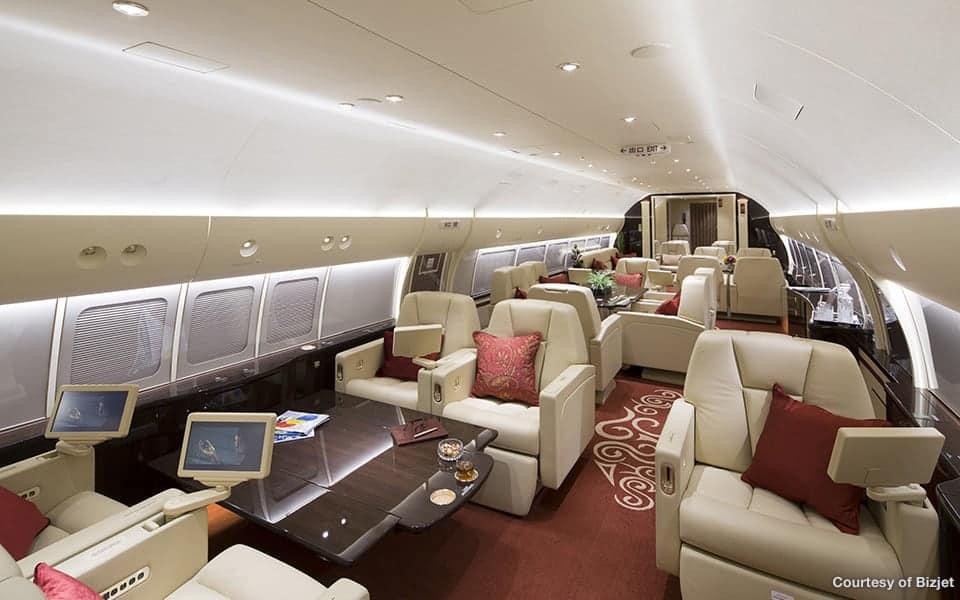
As business travel continues to evolve, private jets are at the forefront of this transformation. The once exclusive domain of CEOs and high-profile executives, private jets are becoming more integrated with cutting-edge technology to meet the ever-growing demands of modern business travelers. From improved in-flight connectivity to more efficient booking systems and automation of various aspects of the flight, the future of business travel is being shaped by the rapid development of technology.
In this article, we will explore how private jets are integrating new technologies to enhance the business travel experience. We’ll discuss the key innovations and trends that are revolutionizing the way executives and business leaders travel by air, ensuring that they remain productive, efficient, and comfortable throughout their journey.
1. Seamless Booking and Scheduling
The future of business travel begins long before the wheels are up. One of the most significant technological advancements in the private jet industry is the way flights are booked and scheduled. In the past, booking a private jet was a cumbersome process, involving numerous phone calls, paperwork, and lengthy negotiations. Today, new digital platforms and apps are making the process seamless and fast.
The Rise of On-Demand Booking Platforms
Services like JetSmarter, XO, and Wheels Up have made it easier than ever for business travelers to book private jets on-demand. These platforms offer mobile apps that allow users to browse available flights, select their preferred aircraft, and even book shared flights with other travelers to reduce costs, all in just a few taps. These platforms use real-time data to show available jets, giving passengers the flexibility to book flights with minimal lead time.
This is particularly advantageous for executives who need to make quick decisions and changes to their travel plans. With these digital tools, booking a flight on short notice is no longer a challenge, and everything can be handled from a smartphone, allowing travelers to focus on what matters most: their business.
2. Enhanced In-Flight Connectivity
In the modern business world, staying connected is essential, and private jets are increasingly equipped with state-of-the-art technology to keep passengers online during their flights. In-flight Wi-Fi has come a long way, and today’s private jets offer high-speed internet that can handle video conferencing, streaming, and even cloud-based applications.
The Role of Satellite and 5G Technology
In-flight connectivity has traditionally been a challenge due to the limitations of satellite technology. However, with the advent of faster satellite networks, private jets can now offer robust Wi-Fi solutions that rival ground-based connections. Satellite internet providers like Gogo and Inmarsat are leading the way in providing high-speed, reliable connections for private jets, enabling business travelers to work seamlessly while airborne.
Furthermore, the integration of 5G technology is set to revolutionize in-flight connectivity. The ultra-fast speeds offered by 5G networks will allow business travelers to conduct virtual meetings, download large files, and access real-time data with little to no latency. As more private jets are equipped with 5G capabilities, the ability to stay connected will become even more reliable, ensuring that business executives can maintain productivity throughout their flights.
3. Smart Cabin Technology
The integration of smart cabin technology is another way private jets are enhancing the business travel experience. Much like modern offices and homes, private jet cabins are becoming increasingly equipped with Internet of Things (IoT) devices that provide passengers with greater control over their environment.
Personalized Climate and Lighting Control
One of the most appreciated aspects of smart cabin technology is the ability to personalize the flying experience. Passengers can control the lighting, temperature, and even the window shades directly from their smartphone, tablet, or a touch-screen interface in the cabin. This level of customization ensures that executives can create the perfect environment for work, rest, or meetings.
In addition, smart cabin systems can also adjust the cabin pressure to ensure a more comfortable experience, reducing fatigue and jet lag. Many private jets are even equipped with circadian lighting systems that mimic natural daylight to help travelers maintain their body’s internal clock, ensuring they arrive at their destination feeling refreshed and ready for business.
4. Increased Automation for Efficiency
Automation is another key area where technology is transforming private jet travel. From automated booking systems to self-check-in kiosks at private terminals, the integration of automation is making the entire travel experience more efficient and less time-consuming.
Streamlining Airport Procedures
One of the most time-consuming aspects of air travel is the check-in and security process. While commercial airports are notoriously slow and cumbersome, private jet travelers benefit from a streamlined experience. Private jet terminals, also known as FBOs (Fixed Base Operators), offer expedited check-ins, security screenings, and boarding procedures, allowing business executives to bypass the long lines and delays typically associated with commercial airports.
Additionally, biometric scanners and facial recognition technology are making it easier for passengers to move through security and boarding without the need for physical ID checks or boarding passes. This is particularly useful for business travelers who are constantly on the move and need to save as much time as possible.
Automated Flight Management
Private jets are also utilizing automation to improve flight operations. Advanced flight management systems (FMS) help pilots optimize flight routes, ensuring that they take the most efficient paths and avoid unnecessary delays. These systems can automatically adjust for weather conditions, air traffic, and other variables, allowing for smoother and faster flights.
Predictive maintenance technology is another form of automation that enhances the operational efficiency of private jets. Using sensors and machine learning algorithms, jets can monitor their own systems and predict potential maintenance issues before they become problems. This proactive approach reduces the likelihood of unscheduled maintenance, ensuring that flights are not delayed or canceled.
5. Virtual Meetings and In-Flight Collaboration Tools
In the future of business travel, the plane itself will become a mobile office, equipped with the tools necessary for virtual meetings and collaboration. Business executives can now conduct meetings, give presentations, and collaborate with colleagues and clients while airborne, thanks to advanced in-flight technology.
Virtual Reality (VR) and Augmented Reality (AR)
Virtual reality (VR) and augmented reality (AR) are two technologies that have the potential to reshape the way business is done on private jets. VR allows executives to immerse themselves in virtual environments, making it easier to conduct remote meetings or view 3D models and simulations, while AR can overlay digital information onto the real world, assisting with presentations and collaboration.
For example, a business executive could present a new product prototype using AR, allowing colleagues to see a 3D representation of the product from all angles, enhancing communication and decision-making. These technologies will make business travel even more productive, enabling executives to continue their work without interruption, regardless of their location.
6. Eco-Friendly Tech for Sustainable Aviation
As sustainability becomes a growing priority for businesses, private jet operators are embracing green technologies to reduce their environmental impact. The aviation industry has long been criticized for its contribution to carbon emissions, but new advancements in sustainable aviation fuel (SAF), fuel-efficient engines, and lightweight materials are helping private jets become more eco-friendly.
Sustainable Aviation Fuel (SAF)
One of the most promising advancements in sustainable aviation is the development of sustainable aviation fuel (SAF). SAF is made from renewable resources such as plant-based materials, and it has the potential to reduce carbon emissions by up to 80% compared to traditional jet fuel. Many private jet operators are already investing in SAF, and as the production of this fuel increases, it is expected to become a more accessible and affordable option for business travelers.
In addition to SAF, private jet manufacturers are developing more fuel-efficient engines and using lighter materials in their aircraft to reduce fuel consumption and carbon emissions. These eco-friendly technologies are helping make private jet travel more sustainable, aligning with the growing emphasis on corporate social responsibility and environmental stewardship.
7. The Role of Artificial Intelligence in Private Jet Travel
Artificial intelligence (AI) is becoming an integral part of private jet travel, with applications ranging from flight operations to customer service. AI can analyze vast amounts of data to optimize flight planning, improve safety, and enhance the overall passenger experience.
AI for Personalized Travel Experiences
AI is already being used to enhance the personalization of private jet travel. By analyzing a passenger’s preferences, AI systems can offer customized recommendations for everything from in-flight entertainment to meal options. AI-powered virtual assistants can also anticipate the needs of passengers, ensuring that everything is in place for a seamless travel experience.
In addition, AI can play a crucial role in maintaining safety and security. AI systems can monitor the aircraft’s systems and predict potential failures, allowing for proactive maintenance and reducing the risk of in-flight issues. AI can also be used to analyze flight data in real-time, helping pilots make more informed decisions during the flight.
Conclusion
The future of business travel is being shaped by technological advancements that are transforming the way private jets operate. From seamless booking systems to enhanced in-flight connectivity and automation, technology is making private jet travel more efficient, comfortable, and productive for business travelers. As new innovations continue to emerge, the private jet experience will only become more integrated with the digital world, allowing business executives to stay connected, collaborate with ease, and reach their destinations faster than ever before.
In addition to making business travel more convenient, technology is also helping to address environmental concerns through sustainable aviation practices, ensuring that private jet travel can continue to grow while minimizing its carbon footprint. For business leaders, the future of private jet travel is bright, and the integration of new tech will only enhance the experience. Whether you’re flying for a crucial business deal or simply need to get from one place to another in the most efficient way possible, the next generation of private jet technology will ensure that your travel is seamless, productive, and luxurious.