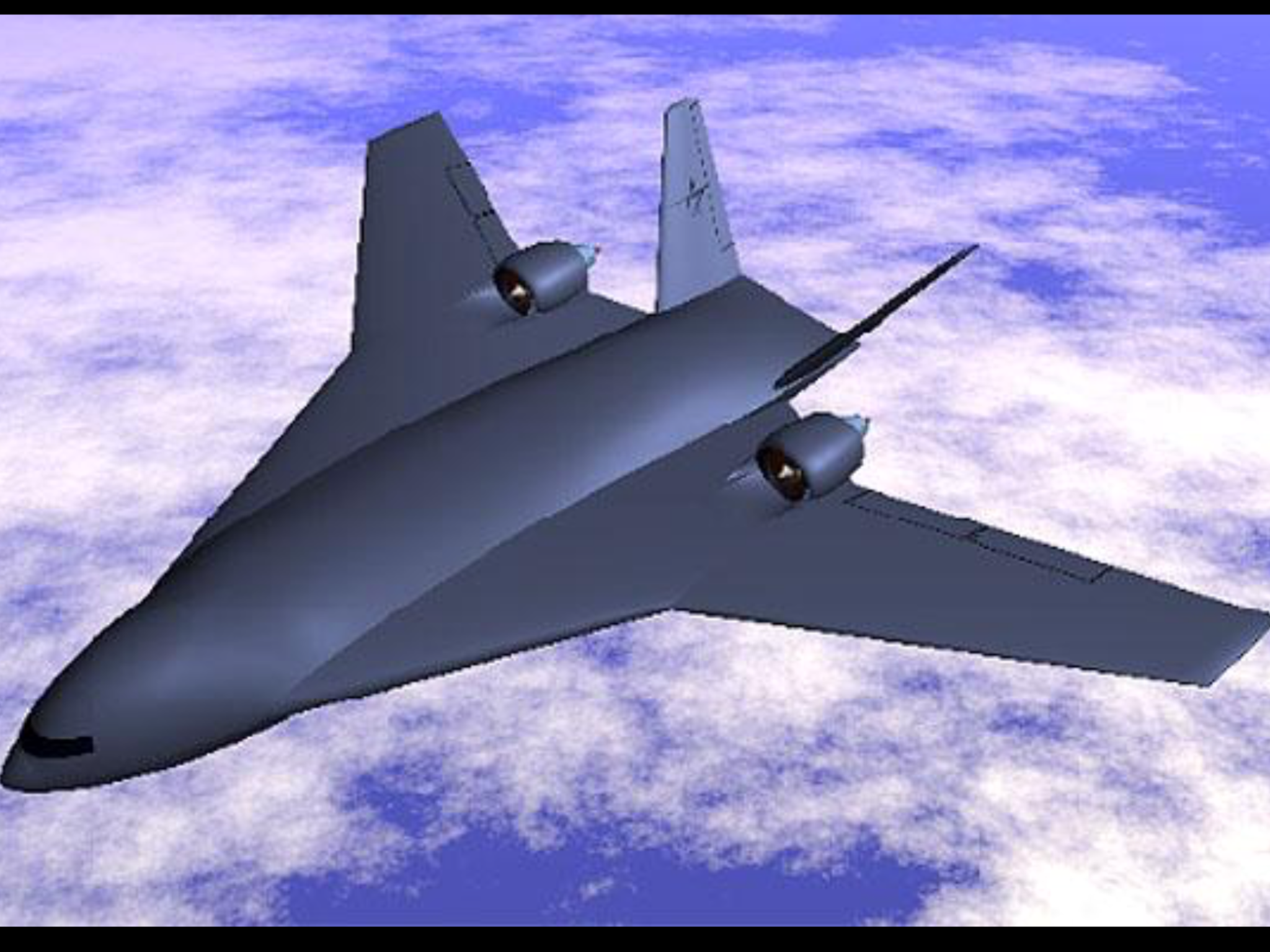
The Need for Fireproof and Self-Healing Exteriors in Private Jets
Private jets are designed to offer the highest level of luxury, comfort, and safety. However, like all aircraft, they face significant risks during flight, particularly in relation to extreme temperatures, physical damage, and general wear over time. While private jets are built to be robust and capable of withstanding various forces, there is always a need to improve their resistance to environmental hazards and structural damage.
Fireproofing is one of the most critical considerations in aircraft design. Jet fuel, engine heat, and potential lightning strikes all pose a risk to the safety of an aircraft. While modern jets are equipped with fire suppression systems, the development of fireproof materials could dramatically reduce the risk of catastrophic fires, improving overall safety.
Additionally, self-healing materials offer the possibility of extending the lifespan of a private jet by automatically repairing small cracks and damage in the aircraft’s exterior. This technology could prevent minor issues from escalating into more serious problems, reducing maintenance costs and improving the aircraft’s performance. Self-healing materials have the potential to revolutionize aviation maintenance by decreasing the need for costly repairs and inspections, ensuring that private jets remain in top condition for longer periods.
Fireproof Materials: Innovations in Heat Resistance
Fireproofing is a vital part of aircraft design, especially for private jets that need to meet strict safety regulations. The outer shell of an aircraft is exposed to extreme conditions, including the heat generated by engines and the potential for combustion if a fire starts. Traditionally, aircraft exteriors have been constructed using materials like aluminum alloys and composites, but these materials can be vulnerable to heat and flames.
In the future, fireproof composites will play a key role in protecting private jets. These advanced materials will be designed to withstand high temperatures and prevent the spread of fire. One promising innovation in fireproofing is the use of ceramic-based composites. These materials can withstand extremely high temperatures without degrading, making them ideal for use in areas of the aircraft exposed to heat, such as the engine nacelles, exhaust, and wing areas.
Another exciting development is the use of intumescent coatings, which expand when exposed to heat, forming a protective layer that prevents the spread of flames. These coatings can be applied to the exterior of private jets to provide additional protection in the event of a fire. As research into fire-resistant materials continues, we can expect to see these materials integrated into the construction of future private jets, offering enhanced protection against fires and other heat-related hazards.
Additionally, graphene-based materials are gaining attention for their fire-resistant properties. Graphene, a single layer of carbon atoms arranged in a two-dimensional structure, is not only incredibly strong and lightweight but also offers remarkable resistance to heat. As graphene-based materials become more affordable and scalable, they are expected to play a crucial role in the development of fireproof private jet exteriors.
Self-Healing Materials: Revolutionary Repair Technology
While fireproofing is essential, the concept of self-healing materials is equally groundbreaking. These materials have the ability to automatically repair damage, such as cracks, scratches, or dents, without the need for human intervention. Self-healing technology mimics the biological healing process, where a material can identify damage and initiate a repair response.
In the context of private jets, self-healing materials would significantly reduce the need for frequent inspections and repairs. For example, if the exterior of a jet were to suffer a small crack or scratch during flight, the self-healing material could automatically release healing agents to fill the crack, restoring the integrity of the aircraft. This would not only increase safety by ensuring that the jet remains structurally sound but would also reduce maintenance costs and downtime, allowing jets to spend more time in the air.
Self-healing materials are typically made by incorporating microcapsules or microfibers that contain healing agents. When the material is damaged, the capsules break open, releasing the healing agents, which then bond with the surrounding material to repair the damage. In addition to microencapsulation, another approach involves the use of conductive polymers, which can detect cracks or damage and trigger a repair process.
One particularly exciting area of development is the use of self-healing carbon fiber composites. Carbon fiber is already known for its lightweight and high-strength properties, making it an ideal material for aircraft construction. By incorporating self-healing capabilities into carbon fiber composites, private jets could become even more durable and resistant to damage. These materials could potentially revolutionize the way aircraft are built, allowing for longer service lives and more reliable performance.
The Role of AI and Sensors in Monitoring and Repairing Jet Exteriors
To fully realize the potential of fireproof and self-healing materials, future private jets will incorporate advanced sensor technology and artificial intelligence (AI) systems to monitor the health of the aircraft’s exterior in real time. These sensors will be embedded throughout the jet’s structure to detect any damage, including heat exposure, cracks, and structural stress.
AI will play a critical role in analyzing the data collected by these sensors and making decisions about when and where repairs are needed. For example, if a sensor detects a crack in the jet’s exterior, the AI system could trigger the release of the healing agents to repair the damage. Additionally, AI can predict when and where damage is likely to occur based on usage patterns, allowing for proactive maintenance that extends the lifespan of the jet.
Moreover, AI-powered drone inspections could be used to assess the exterior of the jet after flights, scanning the entire surface for potential damage. These drones could identify areas that require attention and communicate directly with the jet’s AI system, ensuring that any damage is repaired promptly.
Benefits of Fireproof and Self-Healing Exteriors for Private Jets
The integration of fireproof and self-healing materials into private jet design offers numerous benefits:
- Enhanced Safety: Fireproof materials reduce the risk of fires, while self-healing materials ensure that minor damage doesn’t compromise the integrity of the jet.
- Cost Savings: With fewer repairs needed and longer service intervals, private jet owners can save on maintenance costs and avoid unexpected downtime.
- Increased Durability: These materials will ensure that private jets can withstand harsh environments, extending their lifespan and ensuring better performance over time.
- Improved Passenger Experience: Fewer maintenance issues and a more durable jet will lead to more reliable and comfortable travel for passengers.
- Environmental Benefits: Self-healing materials could reduce waste by extending the lifespan of jets and reducing the need for replacement parts.
Challenges and the Future of Fireproof and Self-Healing Private Jets
Despite the exciting potential of fireproof and self-healing materials, there are still challenges to overcome. The development of these materials is still in the research and testing stages, and there may be issues related to cost, scalability, and integration with existing jet designs. Moreover, ensuring that these materials can perform under the extreme conditions of high-speed flight and high-altitude pressures will require extensive testing and refinement.
However, as technology advances, these challenges will likely be overcome. The future of private aviation looks promising, with fireproof and self-healing exteriors poised to play a key role in shaping the next generation of luxury jets. These innovations will not only enhance the safety, durability, and efficiency of private jets but also ensure that the experience of flying remains as comfortable and reliable as possible.
Conclusion
The future of private jet design is set to be shaped by the integration of fireproof and self-healing materials, providing private jet owners with an unprecedented level of safety, durability, and cost-efficiency. As aviation technology continues to advance, these innovations will play a crucial role in creating the private jets of tomorrow, jets that are not only luxurious and comfortable but also capable of withstanding the harshest conditions and automatically repairing themselves. The future of air travel is here, and it’s safer, more durable, and smarter than ever before.