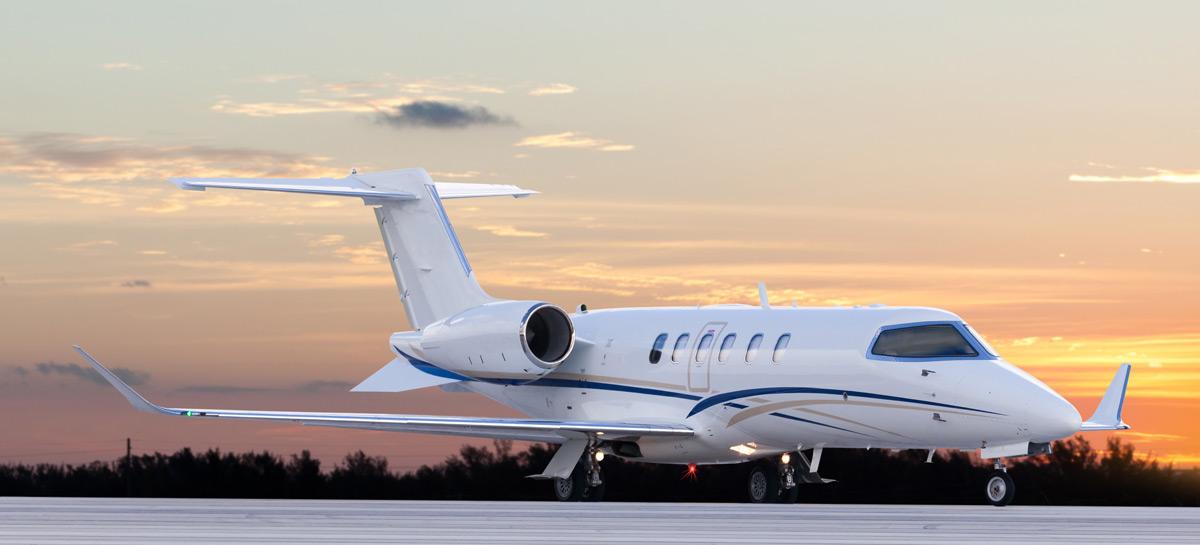
What is Adaptive Lighting?
Adaptive lighting refers to a system that adjusts the intensity, color, and distribution of light within an environment based on specific conditions or preferences. In private jets, adaptive lighting can be customized to suit a variety of factors, including the time of day, the passenger’s activities, and the cabin’s mood. This technology takes advantage of advanced LED lighting systems that can change in real-time, creating a dynamic lighting experience that enhances comfort and well-being.
The use of adaptive lighting in private jets goes beyond simply changing the light’s brightness. It involves designing a lighting system that mimics natural light patterns, adjusts according to the flight’s schedule, and creates a calming atmosphere customized to individual preferences. The future of private jet cabins is set to incorporate these lighting systems in a way that maximizes passenger comfort, improves sleep quality, and reduces the negative effects of jet lag.
How Adaptive Lighting Improves Passenger Comfort
Air travel often disrupts passengers’ natural circadian rhythms, which can lead to fatigue, discomfort, and difficulty adjusting to new time zones. Adaptive lighting in private jets seeks to mitigate these effects by simulating natural sunlight throughout the flight. Here’s how this technology can enhance comfort:
- Mimicking the Day-Night Cycle
One of the most significant benefits of adaptive lighting is its ability to mimic the natural day-night cycle. In traditional flights, passengers are subjected to artificial cabin lighting that remains constant, regardless of the time of day or night. This can make it difficult for passengers to adjust their body clocks and can disrupt their sleep patterns.
With adaptive lighting, the cabin’s lighting gradually shifts throughout the day to match the time of the flight and the time zone of the destination. During a long-haul flight, for instance, the lighting can be adjusted to simulate the time of day at the destination, encouraging passengers’ bodies to adapt more easily to the new time zone and reducing jet lag.
- Creating a Relaxing Atmosphere
In addition to mimicking natural light, adaptive lighting systems can be used to create a relaxing and personalized atmosphere within the cabin. Depending on the time of day, passengers can choose from a range of lighting settings, from bright, energizing light to soft, ambient lighting designed for relaxation or sleep.
For example, during the evening, the cabin could be dimmed to a warm, soothing hue, creating a peaceful environment that encourages rest. Alternatively, during the day, brighter lighting can be used to keep passengers alert and energized, making the flight experience more comfortable and productive.
- Optimizing Mood and Productivity
Adaptive lighting can also be used to optimize mood and productivity. For passengers who need to work or relax during their flight, lighting settings can be adjusted to create the ideal environment. For instance, cool blue lighting can enhance focus and alertness, making it easier for passengers to read, write, or engage in other activities. Conversely, warmer light tones can create a more soothing atmosphere for passengers who wish to unwind or meditate.
This level of customization can significantly improve the overall passenger experience, allowing travelers to feel more comfortable and at ease, regardless of the flight’s duration or purpose.
Smart Environments: The Next Step in Jet Cabin Comfort
While adaptive lighting is an essential element of creating a more comfortable and personalized flying experience, it is just one aspect of the broader concept of smart environments. Smart environments involve the integration of various technologies that work together to enhance the overall cabin experience, creating a more intuitive and responsive environment for passengers.
In the context of private jet cabins, a smart environment goes beyond lighting and includes a range of interconnected systems designed to optimize everything from temperature and air quality to entertainment and connectivity. By using sensors, artificial intelligence, and automation, these systems can learn and adapt to passengers’ preferences, ensuring that every aspect of the flight is customized to individual needs.
- Personalized Climate Control
Smart environments in private jets include advanced climate control systems that allow passengers to fine-tune the temperature to their liking. These systems use sensors to monitor the cabin’s temperature and humidity levels and can automatically adjust the settings based on the preferences of the passengers. In addition, these systems can respond to changes in the outside environment, such as altitude, to ensure that the cabin remains at a comfortable temperature throughout the flight.
For example, if a passenger prefers a cooler cabin for sleep, the smart system can gradually lower the temperature in the hours leading up to bedtime, creating an optimal sleep environment. Alternatively, if passengers are feeling too cold or too warm, they can adjust the temperature with a simple voice command or through a personalized app.
- Air Quality and Oxygen Control
Another key feature of smart environments is air quality control. High-altitude flights often lead to dry air and low oxygen levels, which can cause discomfort, dehydration, and fatigue. Smart systems can monitor air quality in real-time and adjust oxygen levels and humidity to keep passengers feeling refreshed and comfortable.
For example, during a long-haul flight, a smart system could adjust the cabin’s humidity levels to prevent dry skin and dehydration, while also increasing oxygen levels to help passengers stay alert and energized. By ensuring optimal air quality, passengers can avoid the discomfort that often comes with long flights and feel more rested upon arrival.
- Entertainment and Connectivity
In a smart private jet cabin, entertainment and connectivity are seamlessly integrated into the environment. With advanced in-flight entertainment systems, passengers can access a wide range of movies, TV shows, music, and games, all of which can be personalized to their tastes. Whether passengers prefer to relax with a movie, listen to music, or stay productive with business tasks, the system can adapt to their preferences in real time.
Additionally, smart environments can optimize connectivity, allowing passengers to stay connected to the outside world even while in the air. Advanced Wi-Fi systems, integrated with satellite communication technology, can provide high-speed internet access throughout the flight, allowing passengers to work, communicate, or stream content without interruptions.
- Voice and Gesture Control
As part of the smart environment, many private jets now feature voice and gesture control systems that allow passengers to control various cabin features without lifting a finger. Passengers can simply speak commands to adjust the lighting, temperature, or entertainment settings, or use hand gestures to interact with the cabin’s interface.
These systems make it easier for passengers to customize their environment and make adjustments on the fly without needing to navigate complex controls or touchscreens. Whether it’s adjusting the seat position, ordering food, or changing the lighting, passengers can interact with their surroundings in a natural, intuitive way.
The Future of Private Jet Cabins: A Seamless and Personalized Experience
The future of private jet cabins will undoubtedly be shaped by the continued development of adaptive lighting and smart environments. As technology advances, we can expect even more sophisticated systems that provide passengers with an a very uniqueed level of comfort, convenience, and customization.
In the coming years, private jets may feature fully integrated smart environments that anticipate passengers’ needs and respond in real-time. Whether it’s adjusting the cabin’s atmosphere to promote rest, optimizing the air quality, or offering personalized entertainment, the future of air travel promises to be more seamless and personalized than ever before.
The integration of adaptive lighting and smart environments in private jets represents the next frontier of luxury travel. By combining cutting-edge technologies with a focus on passenger well-being, private jet cabins will continue to evolve into dynamic, responsive spaces that offer the ultimate in comfort and convenience.
Conclusion
Adaptive lighting and smart environments are revolutionizing the private jet experience, making air travel more comfortable, sustainable, and customized to passengers’ needs. As these technologies evolve, they will provide a level of personalization and customization that was once unimaginable. With advanced systems that can optimize everything from lighting and temperature to air quality and entertainment, the future of private jet cabins is set to offer an a very uniqueed level of luxury and convenience. Passengers can look forward to a flying experience that is not only efficient but also deeply attuned to their preferences, ensuring that each journey is as enjoyable and relaxing as possible.