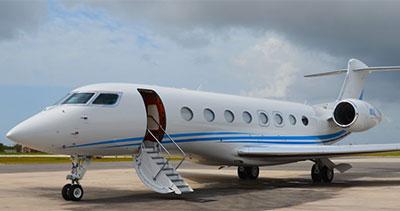
The world of aviation is constantly evolving, with technological advancements driving changes in how aircraft are designed and operated. One of the most exciting developments in recent years is the integration of augmented reality (AR) into the cockpits of private jets. Specifically, augmented reality windshields for pilots are set to revolutionize the way pilots view the sky and navigate their aircraft. These AR systems overlay important information directly onto the windshield, providing pilots with real-time data and enhanced visual cues, making flying safer, more efficient, and ultimately more intuitive. In this article, we will explore the future of private jets equipped with augmented reality windshields, and how they will reshape the flight experience for pilots and passengers alike.
What Are Augmented Reality Windshields?
Augmented reality (AR) involves the superimposition of computer-generated images, data, or information onto a live view of the real world. In aviation, augmented reality windshields use this technology to overlay important flight information directly onto the windshield of the cockpit, offering pilots a seamless blend of real-time data and their surroundings. This innovative system is designed to improve the situational awareness of pilots, enabling them to navigate more efficiently and make better decisions in critical situations.
In a traditional cockpit, pilots rely on various instruments, displays, and gauges to monitor the status of the aircraft, including speed, altitude, engine performance, and navigation. However, augmented reality enhances this experience by providing critical information in the pilot’s field of view, making it easier to interpret and act upon data during flight. Instead of having to glance at multiple screens, pilots can now receive a live feed of essential information right in front of them, integrated into the natural visual environment of the cockpit.
How Do AR Windshields Work in Private Jets?
The technology behind augmented reality windshields combines sophisticated camera systems, sensors, and projection technology to display relevant data onto the windshield in a way that doesn’t obstruct the pilot’s view of the outside world. These systems work in real-time to integrate navigation charts, terrain information, and flight path data, offering a heads-up display that enhances the pilot’s situational awareness.
- Sensors and Cameras: The augmented reality system relies on an array of advanced sensors and cameras placed on the aircraft. These sensors continuously monitor the environment around the aircraft, including nearby obstacles, air traffic, and terrain. The cameras also capture live footage of the outside world, which is then combined with the data generated by the sensors and projected onto the windshield.
- Projection Technology: Once the sensors and cameras collect the necessary data, it is processed by onboard computing systems and projected onto the windshield using special transparent display technology. This allows the pilot to see real-time data overlaid on their view of the outside world without distraction. The information displayed can include crucial data such as the aircraft’s speed, altitude, heading, weather conditions, and even real-time traffic data.
- Interactive Interface: In some advanced systems, the augmented reality windshield is also interactive. Pilots can use voice commands, touch gestures, or eye-tracking technology to interact with the information on the display. This allows them to adjust settings or access additional data without taking their hands off the controls or their eyes off the horizon.
Benefits of Augmented Reality Windshields for Private Jet Pilots
The integration of augmented reality windshields in private jets offers a multitude of benefits, both for pilots and the overall flight experience. Here are some key advantages:
- Enhanced Situational Awareness: The most significant benefit of augmented reality windshields is the enhanced situational awareness they provide. Pilots can receive vital information about their surroundings, such as nearby aircraft, terrain, weather patterns, and navigation data, all integrated into their direct line of sight. This reduces the need for pilots to constantly look down at instruments or other displays, allowing them to focus more on flying the aircraft and responding to potential threats in real-time.
- Improved Safety: Augmented reality windshields enhance flight safety by providing pilots with early warnings about potential hazards. For example, if an obstacle is detected near the aircraft, the AR display can highlight it on the windshield, allowing the pilot to take immediate action. This technology is particularly useful in low-visibility situations, such as flying through fog, clouds, or at night, where traditional navigation systems may not provide adequate information.
- Efficient Navigation: With AR windshields, private jet pilots can easily follow their flight path in real-time, with navigation data projected directly onto the windshield. This reduces the need for complex navigation charts and flight plans, streamlining the navigation process. Pilots can also receive up-to-date information about airspace restrictions, flight conditions, and route changes, making their job easier and more efficient.
- Reduced Pilot Workload: By presenting all necessary flight data in a unified display, augmented reality systems reduce the workload on pilots. Instead of having to juggle multiple instruments and screens, pilots can access all relevant data through the augmented reality windshield. This leads to more efficient decision-making and less mental strain, especially during long flights or in challenging weather conditions.
- Improved Passenger Comfort: While the AR windshield primarily benefits the pilot, its advantages indirectly improve the experience for passengers as well. By improving flight safety and operational efficiency, augmented reality systems contribute to a smoother, more comfortable journey. In the long term, the reduced workload for pilots also leads to a more relaxed flying experience for passengers.
Applications of AR Windshields Beyond Navigation
While the primary function of augmented reality windshields is to assist pilots with navigation and situational awareness, the technology also has other potential applications that could further enhance the private jet experience.
- Virtual Flight Assistant: With the integration of voice-activated AI systems, augmented reality windshields could function as a virtual flight assistant. Pilots could receive real-time feedback on various aspects of the flight, such as fuel consumption, aircraft health, or weather conditions, without having to consult separate displays or instruments.
- Advanced Weather Visualizations: Augmented reality can be used to provide more detailed and intuitive weather visualizations. Instead of simply seeing a radar map on a screen, pilots could view weather patterns overlaid on their real-time view of the sky, offering a better understanding of weather phenomena and helping pilots make more informed decisions about flight routes.
- Interactive Training: Augmented reality windshields could also be used for pilot training purposes. By simulating various flight scenarios, including hazardous weather conditions or emergency situations, AR systems could help pilots practice handling difficult situations in a controlled environment, improving their skills and readiness for real-world challenges.
- Passenger Interaction: In the future, private jets with AR windshields might also allow for greater passenger interaction. For example, passengers could use the AR system to view information about the flight, track progress on the map, or even access live feeds of external views from the aircraft.
Challenges and the Road Ahead
While the potential for augmented reality windshields is clear, there are several challenges that must be addressed before this technology becomes mainstream in private jets. These challenges include:
- Cost and Integration: The integration of augmented reality into private jet cockpits requires significant investment in new hardware and software. The technology must be carefully integrated into existing aircraft systems to ensure compatibility, which can increase both development and maintenance costs.
- Regulatory Approval: As with any new aviation technology, augmented reality windshields must undergo thorough testing and regulatory approval before they can be used commercially. Aviation authorities will need to assess the safety and reliability of the technology to ensure it meets industry standards.
- Training Requirements: Pilots will need to undergo specialized training to effectively use augmented reality systems. This will involve learning how to interpret the information displayed on the windshield and how to operate the system safely in various flight conditions.
Conclusion
The introduction of augmented reality windshields in private jets marks a significant leap forward in aviation technology. By providing pilots with real-time data, enhancing safety, and reducing workload, this technology promises to transform the way private jets are operated. As the technology matures and becomes more widely adopted, we can expect to see a safer, more efficient, and more intuitive flight experience for both pilots and passengers. The future of augmented reality in aviation is bright, and it is clear that AR windshields will play a key role in shaping the next generation of private jet travel.