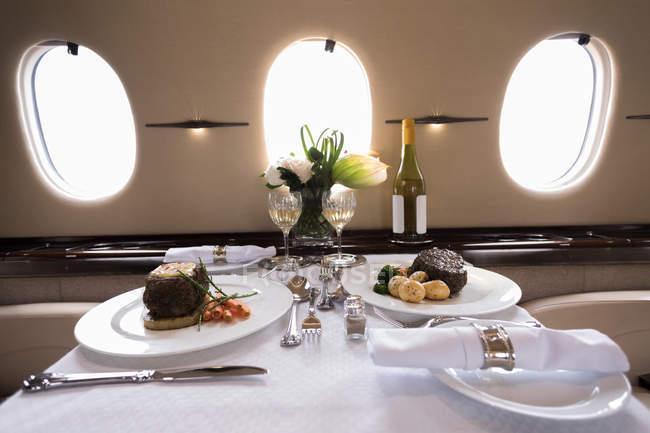
Flying on a private jet has long been associated with luxury, comfort, and exclusivity. However, one aspect of private air travel that has often been overlooked is the noise. Whether it’s the hum of the engines, the turbulence, or the general sounds of the aircraft, noise has been a constant presence in the cabin. But as aviation technology advances, we are witnessing the emergence of silent private jets. Thanks to cutting-edge noise-canceling innovations, future private jets promise a significantly quieter and more serene flying experience. In this article, we’ll explore how these innovations are set to transform the future of private air travel, making it more comfortable, enjoyable, and relaxing than ever before.
The Problem of Noise in Private Jet Travel
Noise is one of the most significant discomforts for passengers aboard any aircraft, private or commercial. In a typical private jet, noise emanates from several sources:
Engine noise: The primary source of sound in any jet, caused by the engines and turbines.
Cabin noise: This includes the hum of ventilation systems, the clattering of overhead bins, and other mechanical sounds.
Airframe noise: As the aircraft moves through the air, it produces sounds related to air resistance, turbulence, and the structure of the plane.
For many elite travelers, particularly those flying for business or relaxation, noise can disrupt the experience. Long flights can become tiring when the constant hum of engines interferes with productivity, relaxation, or sleep. The introduction of silent private jets will eliminate this nuisance and make the flying experience even more luxurious.
Noise-Canceling Technology: The Game Changer
The key to achieving silent jets lies in the development of advanced noise-canceling technologies. These innovations are already commonplace in consumer products, like headphones and speakers, and now they’re being adapted for aviation. The goal is to create an environment inside the jet where external sounds are either minimized or eliminated entirely, allowing passengers to enjoy a peaceful, quiet ride.
Here are the most prominent noise-canceling technologies currently being explored and implemented in private jets:
- Active Noise Cancellation (ANC) Systems
Active Noise Cancellation (ANC) works by using microphones placed throughout the cabin to pick up on external sounds, such as engine noise or the hum of the airframe. The system then generates sound waves that are the exact opposite (anti-phase) of the unwanted noise. When the anti-phase sound waves meet the noise, they cancel each other out, creating a quieter environment for passengers.
In private jets, ANC systems will be integrated into the interior design, including the walls, windows, and even seats. These systems will be highly effective in reducing the low-frequency hums generated by jet engines, ensuring a smooth and quiet ride. Moreover, ANC technology can be adjusted depending on the passenger’s preference, allowing for a completely customizable experience.
- Sound-Absorbing Materials
Another approach to creating a silent jet is the use of sound-absorbing materials throughout the cabin. By incorporating materials that are designed to absorb sound waves, such as specialized foams, composites, and acoustic fabrics, jet manufacturers can significantly reduce the amount of noise that reaches the passenger area.
These materials will be used in key areas such as the interior panels, ceiling, flooring, and walls. These surfaces will trap and absorb sound, preventing it from reverberating throughout the cabin. Advanced materials will also be used to reduce vibrations, making the overall ride feel smoother and quieter.
- Engine and Propulsion Advancements
While cabin noise can be mitigated with ANC and sound-absorbing materials, the most significant source of noise comes from the engines themselves. Fortunately, engine manufacturers are also making significant strides in developing quieter engines and propulsion systems.
One such advancement is the development of electric propulsion systems. Electric engines produce far less noise than traditional jet engines, making them an ideal solution for future silent private jets. Additionally, quieter jet engines will reduce the overall noise footprint of private aircraft, benefiting not only passengers but also the communities surrounding airports.
Hybrid-electric propulsion systems are another promising development. These systems combine traditional jet engines with electric motors, reducing fuel consumption and significantly lowering noise levels. Over the next few decades, we can expect to see more electric-powered private jets entering the market, which will redefine the concept of quiet flying.
- Active Cabin Management Systems
In addition to ANC technology, active cabin management systems will play an important role in creating silent private jets. These systems use advanced algorithms and sensors to monitor and control the various aspects of the cabin, such as airflow, ventilation, and temperature.
By dynamically adjusting the air circulation and ventilation fans, these systems can help reduce the noise caused by air turbulence and the movement of air within the cabin. Passengers will experience a quieter cabin with fewer disturbances, even during turbulent conditions or at high altitudes.
Benefits of Silent Private Jets
The introduction of silent private jets will provide a multitude of benefits for passengers, making private air travel even more luxurious and comfortable. Below are some of the key advantages:
- Enhanced Comfort and Relaxation
For business travelers or individuals seeking relaxation, the ability to enjoy a quiet, peaceful flight is invaluable. Whether trying to rest before an important meeting or simply enjoying a few hours of tranquility, the absence of disruptive noise will enhance the overall comfort of the journey. Silent private jets will also allow passengers to engage in conversation or work without the constant need to raise their voices or use noise-canceling headphones.
- Improved Sleep Quality
For those traveling across time zones or embarking on long-haul flights, sleep is often one of the most critical components of a successful trip. Noise-free flights will allow passengers to sleep more soundly, improving their energy levels and productivity once they reach their destination. The ability to relax without the hum of engines or the sound of turbulence is a game-changer for elite travelers seeking rest during flights.
- Increased Productivity
On business trips, quiet environments can lead to increased productivity. Passengers can focus on meetings, calls, or work without the distraction of engine noise or loud conversations. High-level executives and corporate leaders will benefit greatly from the distraction-free atmosphere, allowing them to get more done during their flight and make the most of their time.
- Reduced Environmental Impact
One of the most promising benefits of noise-canceling technologies is their potential to reduce the overall environmental impact of private jet travel. By developing quieter engines and electric propulsion systems, private aviation can significantly reduce its noise footprint. This will be especially important in urban areas and airports that are increasingly surrounded by residential communities. Quieter jets will help mitigate noise pollution and foster a more sustainable relationship between aviation and the communities it serves.
- Less Stress for Passengers and Crew
Noise can cause stress and fatigue for both passengers and crew members. The constant noise in a traditional aircraft can create an uncomfortable atmosphere that leads to heightened stress levels. By providing a quieter, more serene environment, silent private jets will help reduce stress and improve the overall travel experience for everyone on board.
The Future of Silent Private Jets
As noise-canceling technologies continue to evolve, the future of private aviation will see a complete transformation. We can expect to see an increasing number of private jets equipped with active noise cancellation, sound-absorbing materials, and quieter engines. These innovations will work together to create an atmosphere that’s as quiet and peaceful as a luxury hotel room, even in the skies.
As electric and hybrid-electric jets become more common, the noise profile of private aviation will decrease even further. The growth of sustainable aviation technologies will ensure that quieter jets are not only more luxurious but also more environmentally friendly.
Ultimately, the silent private jet will become the new standard of luxury air travel. For travelers who seek the ultimate in comfort, relaxation, and exclusivity, these innovative jets will offer the perfect solution , combining cutting-edge technology with a very uniqueed luxury.
Conclusion
The future of silent private jets is rapidly approaching, with innovative technologies already being implemented to reduce noise and enhance the passenger experience. From active noise cancellation systems to electric propulsion technologies, the next generation of private jets will provide a serene, comfortable, and relaxing environment that redefines what it means to fly in luxury. As these innovations continue to evolve, we can expect the future of private aviation to be quieter, more sustainable, and more enjoyable than ever before.