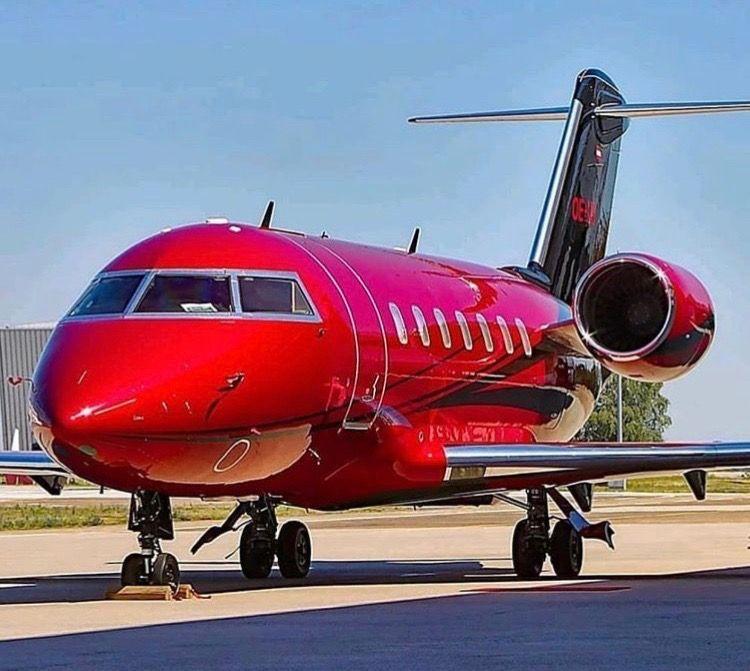
As private jet travel continues to evolve, so does the technology that enhances the passenger experience. One of the most exciting developments on the horizon is the integration of wearable AI technology, which promises to bring a new level of convenience, efficiency, and luxury to private aviation. Wearable AI in private jets will offer passengers the ability to control various aspects of their flight experience with simple gestures and voice commands, creating a seamless, hands-free environment. This technology, which is already making strides in various industries, is set to transform how passengers interact with their private jets, offering them greater control and personalization during their travels.
The concept of wearable AI in private jets combines cutting-edge advancements in artificial intelligence, machine learning, and wearable technology to provide a unique, futuristic experience. This new approach to in-flight management will allow passengers to control everything from lighting and temperature to entertainment and communication systems without having to touch a screen or push a button. It’s a significant leap forward from the traditional in-flight controls, offering a truly intuitive and hands-free experience.
What is Wearable AI Technology?
Wearable AI technology refers to devices that can be worn on the body, such as smartwatches, smart glasses, or wearable headsets, which are powered by artificial intelligence. These devices are designed to monitor and respond to the wearer’s needs through natural language processing, gesture recognition, and context-aware computing. In the context of private jets, wearable AI technology will allow passengers to interact with the aircraft’s systems in a more personalized and streamlined way.
Unlike traditional methods, where passengers rely on buttons, screens, or flight attendants to control their environment, wearable AI will allow for intuitive hands-free commands. For example, a passenger might simply gesture or speak a command, and the system will respond accordingly. This could include adjusting the lighting, changing the temperature, or even controlling the entertainment system, all without needing to physically interact with the aircraft’s interface.
Key Benefits of Wearable AI in Private Jets
- Enhanced Passenger Comfort
One of the most immediate advantages of wearable AI in private jets is the improved comfort it provides. Passengers will no longer need to reach for a control panel or screen to adjust their environment. Instead, they can rely on voice commands or simple gestures to modify the temperature, lighting, seat position, and even the window tint. This creates a more fluid and comfortable environment, where passengers can tailor their surroundings without interruption.
For example, a passenger could simply say, “Set the cabin temperature to 22 degrees Celsius,” or wave their hand to adjust the lighting or shade levels. This level of personalized control ensures that every aspect of the flight is customized to the passenger’s preferences, creating an unmatched level of convenience.
- Increased Efficiency and Time-Saving
Wearable AI technology will streamline various tasks and reduce the need for time-consuming manual controls. Passengers can control every aspect of their flight experience without the need for physical interaction. The ability to manage cabin settings with ease allows passengers to focus on their work, leisure, or relaxation without interruption. Whether it’s adjusting the music, setting the temperature, or controlling video conferencing during a meeting, wearable AI ensures that these tasks are done instantly, allowing passengers to make the most of their time.
Moreover, gesture-based controls mean passengers can control their environment with subtle movements, ensuring they can make adjustments even if they’re in a reclined position or focused on other activities, such as reading or working. This eliminates the need to reach for controls or interact with a physical interface, significantly improving the user experience.
- Personalized Experience
Wearable AI will help create a highly personalized in-flight experience. By using AI to learn about a passenger’s preferences, the system can predict and adapt to their needs before they even express them. For example, the system could automatically adjust the lighting based on the time of day or set the cabin temperature according to the passenger’s comfort level. Over time, the AI will gather data on the passenger’s habits and routines, allowing it to offer pre-set preferences that make the entire journey feel like a custom-designed experience.
In addition to adjusting the environment, wearable AI will be able to integrate with entertainment systems, allowing passengers to select movies, music, or TV shows simply by gesturing or saying a command. This level of personalization extends to the food and beverage selection as well. Wearable AI could allow passengers to order meals or drinks using a simple voice command, with the system remembering past preferences for future flights.
- Safety and Security Features
Beyond comfort and convenience, wearable AI can also enhance the safety and security of private jet travel. These systems will integrate biometric sensors to monitor the passenger’s physical state, such as heart rate, stress levels, and overall well-being. If the system detects any unusual changes in a passenger’s condition, it could immediately alert the crew or make adjustments to the cabin to help improve comfort and reduce stress.
In addition, wearable AI can offer advanced security features, such as facial recognition or gesture-based authentication, to ensure that only authorized individuals are able to interact with the jet’s systems. This would add an extra layer of security, particularly for high-profile passengers who prioritize privacy and safety.
- Seamless Integration with Other Systems
Wearable AI is not limited to controlling in-flight systems; it will also integrate with other technologies within the aircraft, including communication systems, navigation, and flight management. Passengers could use their wearable devices to track their flight status, receive real-time updates, and even communicate with the flight crew.
For example, a passenger could ask the system, “How much time is left until we reach our destination?” or “Can you update me on any changes to our flight path?” The system would respond with the requested information, ensuring that passengers remain informed and engaged throughout their journey.
Furthermore, wearable AI can link with smart home devices or personal assistants, allowing for easy control over everything from in-flight entertainment to communication with colleagues or family members on the ground. This kind of seamless integration between various systems will elevate the overall user experience.
The Future of Wearable AI in Private Jets
The future of wearable AI in private jets looks incredibly promising. As AI and wearable technologies continue to advance, the capabilities of these devices will expand, offering passengers even greater control over their flight experience. In the coming years, we may see fully integrated systems where passengers have complete autonomy over every aspect of their journey, from navigation to entertainment, all through a simple voice command or gesture.
Moreover, as AI continues to evolve, these systems will become increasingly adaptive, learning the passenger’s preferences and anticipating their needs before they even express them. The future of wearable AI is not just about convenience, it’s about creating a truly personalized, luxurious flying experience that meets the individual needs of every traveler.
Conclusion
Wearable AI in private jets represents the next major leap in aviation technology. By offering hands-free control of in-flight systems, personalized experiences, and seamless integration with other technologies, this innovation promises to redefine the private jet experience. Passengers will enjoy greater comfort, efficiency, and luxury, with AI anticipating their needs and adapting to their preferences. As wearable AI technology continues to develop, the possibilities for transforming private aviation are endless, making this a truly exciting area of the industry to watch in the coming years.