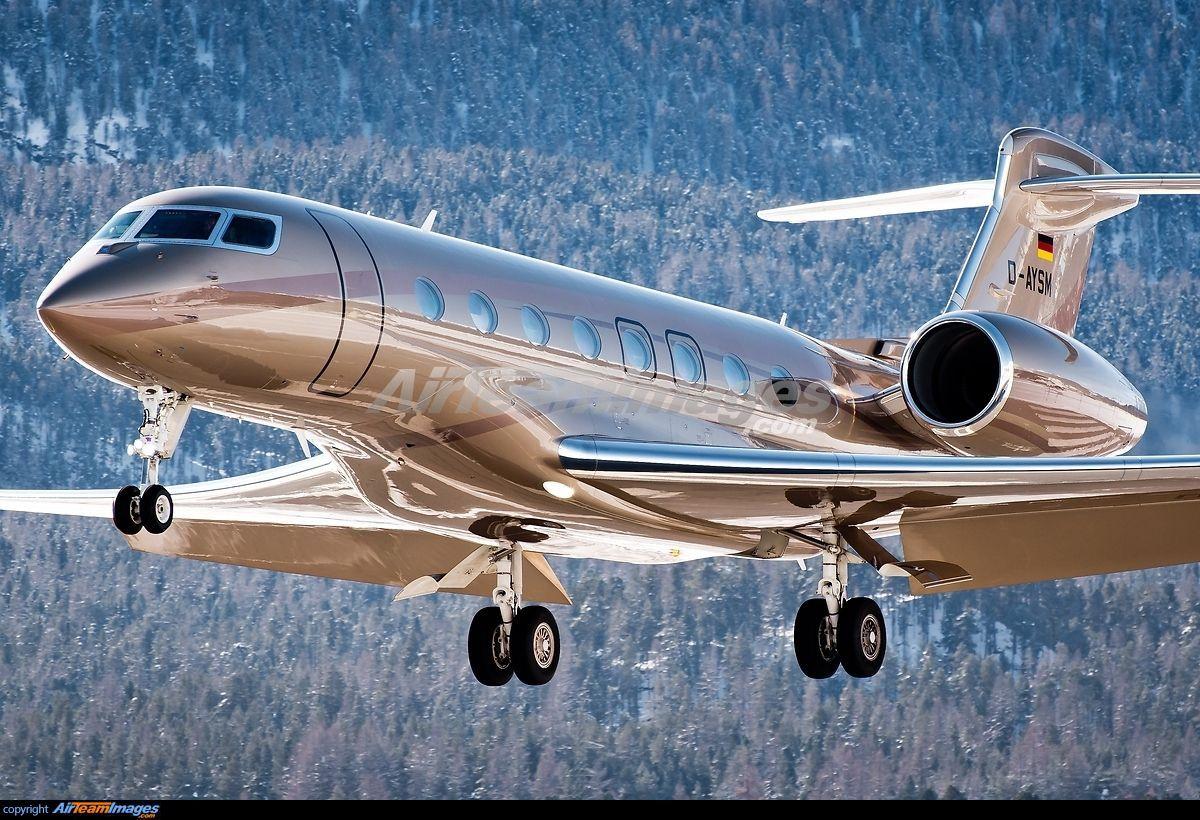
The aviation industry has long been a significant contributor to global carbon emissions, but with growing concerns about climate change, the sector is undergoing a profound transformation. Sustainability is now at the forefront of aviation innovation, and hybrid jets are emerging as a key player in this movement. Combining traditional jet engines with hybrid-electric propulsion systems, hybrid jets offer a promising solution to reduce the environmental impact of air travel while maintaining the performance, comfort, and efficiency that passengers expect.
Hybrid jets represent the convergence of two major technological advancements: electric propulsion and conventional jet engines. By leveraging the strengths of both systems, hybrid jets have the potential to significantly reduce fuel consumption, emissions, and operating costs in aviation. The development of these aircraft is part of a broader effort to make air travel more sustainable and environmentally friendly, as the aviation industry strives to meet ambitious emissions reduction targets set by governments and environmental organizations.
In this article, we will explore the impact of hybrid jets on aviation sustainability, examining how they work, the benefits they offer, and the challenges they face in becoming a mainstream solution for the aviation industry. We will also look at the role of hybrid jets in improving fuel efficiency, their potential to reduce carbon emissions, and the future of hybrid technology in aviation.
1. Understanding Hybrid Jets: A New Era in Aviation
Hybrid jets are aircraft that combine traditional jet engines with hybrid-electric propulsion systems. These aircraft are designed to use both conventional fuel and electric power to propel the aircraft, offering the best of both worlds: the range and performance of conventional jets combined with the fuel efficiency and environmental benefits of electric propulsion.
The hybrid propulsion system typically consists of a jet engine, which provides thrust for long-range flight, and electric motors powered by batteries or fuel cells, which assist with takeoff, climb, and cruise phases of flight. The electric motors help reduce the overall fuel consumption of the aircraft, lowering emissions during flight, while the jet engine ensures the aircraft can reach long distances with the necessary power and performance.
By integrating hybrid-electric propulsion into the aircraft design, manufacturers can reduce the amount of fossil fuel needed for operation, resulting in lower carbon emissions and reduced operating costs. Hybrid jets are seen as a critical step towards achieving the aviation industry’s sustainability goals, offering a balance between efficiency and environmental responsibility.
2. Fuel Efficiency: A Key Advantage of Hybrid Jets
One of the most significant advantages of hybrid jets is their potential to improve fuel efficiency. Traditional jet engines are highly fuel-intensive, especially during takeoff and climb, when the aircraft requires the most power. Hybrid-electric propulsion helps alleviate some of this demand by providing additional thrust from electric motors during these phases of flight.
By using electricity to supplement the jet engine, hybrid jets can reduce the amount of fuel required for these high-energy phases, resulting in lower fuel consumption. This not only helps reduce operating costs for airlines but also decreases the aircraft’s overall carbon footprint. In fact, studies suggest that hybrid jets could reduce fuel consumption by up to 30%, a significant improvement over conventional jet engines.
The increased fuel efficiency of hybrid jets also has the potential to lower operating costs for airlines. As fuel prices remain volatile, the ability to reduce fuel consumption provides a competitive advantage for airlines, making hybrid jets an attractive investment for the future of commercial aviation.
3. Reducing Carbon Emissions: Hybrid Jets and Sustainability
The aviation industry is under increasing pressure to reduce its carbon emissions and meet global sustainability targets. Hybrid jets are a promising solution to help the industry achieve these goals. By reducing fuel consumption, hybrid jets help lower carbon emissions, making air travel more environmentally friendly.
Traditional jet engines emit large amounts of carbon dioxide (CO2) and other greenhouse gases, contributing to global warming and climate change. According to the International Air Transport Association (IATA), aviation is responsible for approximately 2-3% of global CO2 emissions. With global air traffic expected to grow in the coming decades, reducing the carbon footprint of the aviation industry is critical to combating climate change.
Hybrid jets offer a way to reduce these emissions. By using electric motors during certain phases of flight, hybrid jets can significantly decrease the amount of fuel burned and, in turn, reduce the amount of CO2 emitted into the atmosphere. The hybrid-electric propulsion system is expected to reduce carbon emissions by up to 50%, making hybrid jets a key technology in the effort to decarbonize aviation.
Moreover, hybrid jets can also help reduce other harmful emissions, such as nitrogen oxides (NOx) and particulate matter, which are produced by conventional jet engines. These pollutants contribute to air quality issues and have negative health impacts on communities near airports. By reducing the reliance on fossil fuels, hybrid jets can help improve air quality and reduce the environmental impact of aviation on local communities.
4. The Role of Batteries and Fuel Cells in Hybrid Jets
The development of hybrid jets relies heavily on advancements in battery and fuel cell technologies. Batteries are used to store electrical energy that can be used to power the electric motors during flight. Fuel cells, on the other hand, generate electricity through a chemical reaction, offering a potential alternative to traditional batteries.
Batteries are currently the most common energy storage solution used in hybrid jets. However, the energy density of current battery technology is a limiting factor for hybrid-electric aircraft. While batteries are effective for short flights, they do not yet have the energy density required to power long-haul flights. Nonetheless, battery technology is improving rapidly, and electric propulsion systems are expected to become more viable for regional and short-haul flights.
Fuel cells, which generate electricity by converting hydrogen or other fuels into power, are another promising option for hybrid jets. Fuel cells offer higher energy densities than batteries and can potentially provide longer flight times with less weight. However, fuel cell technology is still in the early stages of development and faces several challenges, including the need for efficient hydrogen production and storage.
The combination of batteries and fuel cells could provide a more efficient and sustainable hybrid propulsion system. As these technologies continue to evolve, hybrid jets will become more capable of flying longer distances while reducing their environmental impact.
5. Hybrid Jets in Commercial Aviation: Current Developments
Several manufacturers are already working on hybrid-electric aircraft, with prototypes and test flights underway. While hybrid jets are still in the early stages of development, they show great promise for the future of commercial aviation. Notable aircraft manufacturers, including Boeing, Airbus, and several startups, are investing in hybrid-electric propulsion technology and are expected to bring hybrid jets to market in the coming decades.
One of the key players in the hybrid aviation space is Airbus, which has developed the E-Fan X, a hybrid-electric aircraft designed to showcase the potential of hybrid propulsion systems. The E-Fan X is a technology demonstrator that features a hybrid-electric propulsion system with one of its four engines replaced by an electric motor. Airbus plans to conduct test flights of the E-Fan X in the coming years, with the goal of developing a commercially viable hybrid-electric aircraft for regional flights.
Similarly, Boeing has been exploring hybrid-electric propulsion through its subsidiary, Aurora Flight Sciences. Aurora is working on several hybrid-electric aircraft prototypes, including the eVTOL (electric vertical takeoff and landing) aircraft, which could revolutionize urban air mobility and short regional flights. Boeing’s research into hybrid-electric technologies is part of its broader commitment to sustainability and reducing the environmental impact of aviation.
Startups like Zunum Aero are also making significant strides in hybrid-electric aviation. Zunum Aero is developing a hybrid-electric regional aircraft designed for short-haul flights. The company aims to bring its hybrid aircraft to market within the next decade, offering a sustainable solution for regional air travel.
As hybrid jets become more advanced, they are expected to be used primarily for regional flights, where their shorter range and smaller size are well-suited to meet the demands of air travel. These aircraft are expected to offer a cleaner, quieter, and more cost-effective alternative to conventional regional jets, making air travel more sustainable and accessible.
6. The Challenges Ahead for Hybrid Jets
While hybrid jets hold significant promise, there are several challenges that must be overcome before they can become a mainstream solution in aviation. One of the biggest challenges is the development of efficient and lightweight batteries and fuel cells. As mentioned earlier, current battery technology is not yet capable of providing the energy density needed for long-haul flights. Likewise, fuel cell technology is still in the early stages of development and faces challenges related to hydrogen production, storage, and distribution.
In addition, hybrid jets require significant investment in infrastructure, including charging stations and fuel cell refueling systems. Airports will need to adapt to these new technologies by providing the necessary infrastructure for hybrid-electric aircraft to operate efficiently.
There are also regulatory challenges to consider. The aviation industry is highly regulated, and the certification process for new aircraft technologies can be lengthy and costly. Hybrid jets will need to undergo rigorous testing and certification before they are allowed to enter commercial service. However, as hybrid-electric technology advances, regulatory bodies such as the Federal Aviation Administration (FAA) and the European Union Aviation Safety Agency (EASA) are expected to develop new guidelines and certifications for these aircraft.
7. The Future of Hybrid Jets in Aviation
Despite the challenges, the future of hybrid jets in aviation looks promising. As battery and fuel cell technologies continue to improve, hybrid jets will become increasingly viable for commercial use. In the next few decades, we are likely to see a significant shift in the aviation industry as hybrid jets become a mainstream solution for regional flights.
Hybrid jets have the potential to revolutionize the aviation industry by significantly reducing fuel consumption, lowering emissions, and improving the overall sustainability of air travel. While hybrid-electric propulsion is not yet ready for long-haul flights, it offers an exciting opportunity to reduce the environmental impact of regional air travel and pave the way for a more sustainable future in aviation.
As demand for sustainable air travel grows, hybrid jets will play a crucial role in helping the aviation industry achieve its environmental goals. With the support of governments, airlines, and manufacturers, hybrid jets are poised to lead the way in the next generation of eco-friendly aviation.
In conclusion, hybrid jets represent a significant step towards achieving sustainability in aviation. By combining the power of electric propulsion with traditional jet engines, these aircraft offer a promising solution to reduce fuel consumption, lower emissions, and improve the efficiency of air travel. As technology continues to evolve, hybrid jets will become a key part of the aviation industry’s efforts to create a greener, more sustainable future.