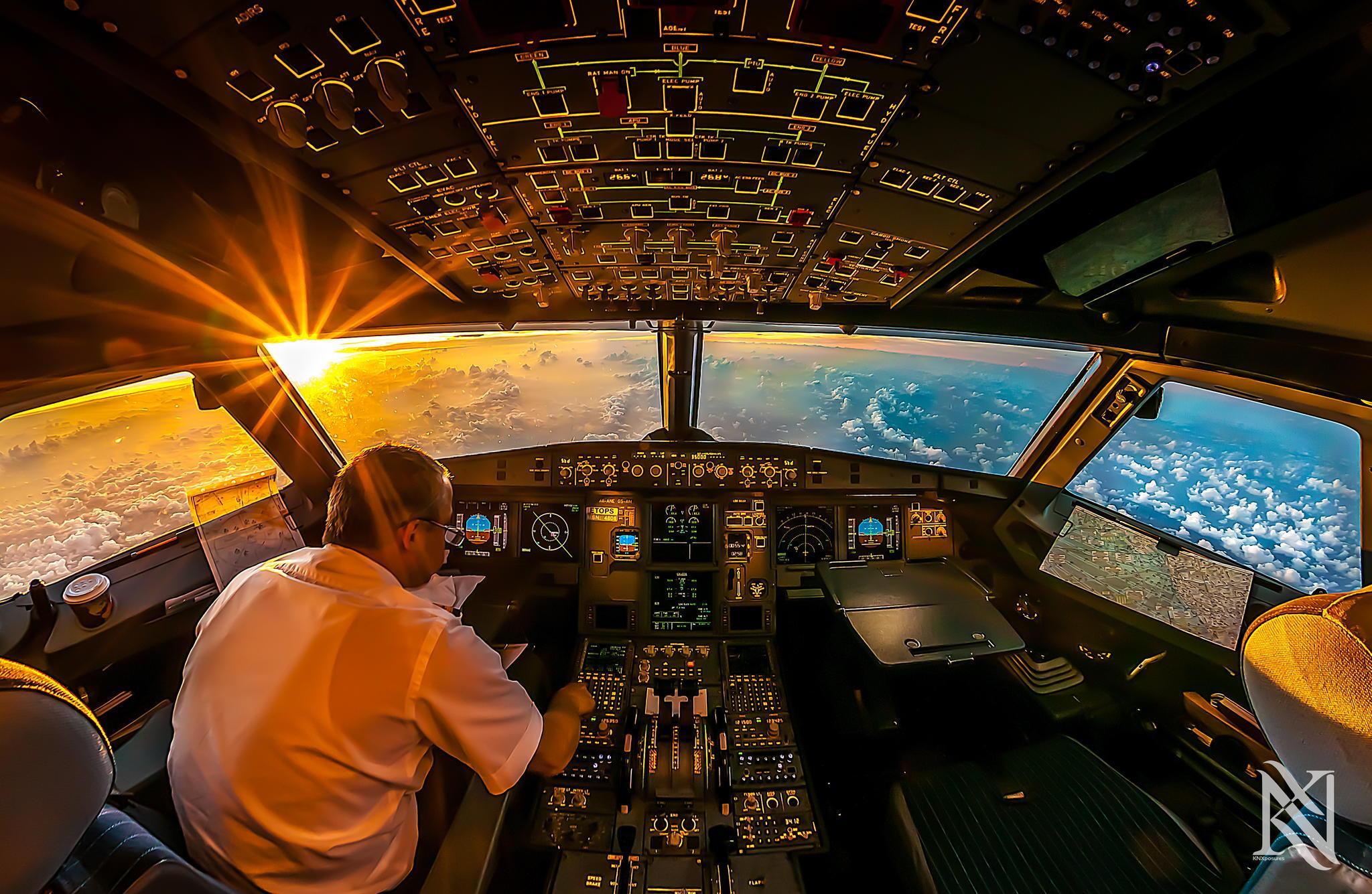
Private jet travel represents the maximum experience of luxury, convenience, and privacy in the world of aviation. As these jets provide a unique and personalized flying experience, the importance of safety cannot be overstated. While private aviation is often associated with a more relaxed atmosphere compared to commercial flights, the safety of passengers is paramount. One of the critical components in ensuring this safety is the extensive and thorough training that private jet pilots undergo, especially in emergency situations.
The life of a private jet passenger often depends on the competence, skill, and preparedness of the pilot, particularly in high-pressure situations. Whether it’s a technical malfunction, medical emergency, or severe weather condition, private jet pilots must be ready to handle any scenario that may arise during flight. This article explores the significance of emergency training for private jet pilots, the types of training they undergo, and how these programs ensure the safety of passengers and crew.
1. Why Emergency Training is Crucial for Private Jet Pilots
Flying a private jet comes with a distinct set of responsibilities. Unlike commercial airline pilots, private jet pilots are responsible for every aspect of the flight, often including navigating through complex weather conditions, managing on-board systems, and attending to passengers’ needs. In emergency situations, the pilot’s ability to react swiftly and effectively can make the difference between life and death.
The unpredictable nature of emergencies makes it necessary for pilots to be prepared for any eventuality. Training for emergencies ensures that private jet pilots are equipped with the skills and knowledge to handle crises calmly and competently, reducing the risks of accidents and improving the overall safety of the flight.
Emergencies on private jets can range from mechanical failures and loss of cabin pressure to more severe scenarios such as fires or medical incidents. Without proper training, the pilot may struggle to make the right decisions quickly, which could jeopardize the safety of everyone onboard. Hence, emergency training is a fundamental aspect of a private jet pilot’s career, ensuring that they are prepared for any situation that might arise.
2. Types of Emergency Situations Private Jet Pilots Must Be Prepared For
Private jet pilots undergo a rigorous training regimen designed to prepare them for a wide range of emergency situations. These scenarios are often complex and require pilots to make rapid decisions, communicate effectively with the crew, and sometimes even land the aircraft in challenging conditions. The following are some of the key emergency situations that private jet pilots are trained to handle:
1. Mechanical Failures: Mechanical issues, such as engine failure or electrical malfunctions, can happen unexpectedly during a flight. Pilots must be able to identify the symptoms of mechanical failure, troubleshoot the problem, and take swift action to either resolve the issue or safely land the aircraft. These situations require pilots to be familiar with the aircraft’s systems, emergency procedures, and the ability to stay calm under pressure.
2. Loss of Cabin Pressure: One of the most dangerous emergencies that can occur on any aircraft is the sudden loss of cabin pressure. Pilots are trained to recognize the signs of cabin depressurization, respond quickly by donning their oxygen masks, and initiate an emergency descent to a safe altitude. This training ensures that pilots can act quickly to protect the passengers and crew from hypoxia or other severe health issues associated with low oxygen levels.
3. Medical Emergencies: Private jets often cater to high-net-worth individuals who may have specific health concerns or medical conditions. In the event of a medical emergency onboard, such as a heart attack or stroke, the pilot must be prepared to manage the situation until the aircraft can land and medical personnel can provide further assistance. Pilots are trained to coordinate with the cabin crew, communicate with ground control for emergency medical services, and make decisions regarding diversion or emergency landing.
4. Fire on Board: A fire on an aircraft is an extremely dangerous situation. Pilots are trained to recognize the signs of a fire, use fire extinguishers or suppression systems, and execute emergency procedures to minimize damage. In some cases, this may involve diverting to the nearest airport or making an emergency landing in a location where firefighting teams are prepared to respond immediately.
5. Severe Weather Conditions: Private jet pilots are often called to fly in varying weather conditions, including thunderstorms, turbulence, or even icy conditions. Pilots are trained to handle poor visibility, high winds, and sudden weather changes. They learn how to assess weather reports, avoid dangerous conditions, and make decisions that keep both the aircraft and its passengers safe during challenging weather scenarios.
6. Bird Strikes and Collision Avoidance: Bird strikes, while rare, can happen at any time during a flight. Private jet pilots must be trained to avoid collisions with wildlife, both during takeoff and landing. In cases where bird strikes do occur, pilots are trained to deal with the aftermath, whether it involves handling mechanical damage or responding to emergency protocols.
7. Passenger Disturbances: In rare instances, passengers may become unruly or violent during the flight. Private jet pilots are trained to remain calm and manage such situations by involving the cabin crew, maintaining communication with ground services, and ensuring the flight continues with minimal disruption. Although this is not typically a dangerous emergency, pilots are trained to handle disruptive behavior safely.
3. The Training Process for Private Jet Pilots
The emergency training process for private jet pilots is both comprehensive and continuous. It involves classroom instruction, simulator training, and on-the-job experience to ensure pilots are thoroughly prepared for emergencies. The following are the key components of the training process:
1. Classroom Instruction: Private jet pilots start their training with classroom instruction, which covers the theoretical aspects of aviation safety. This includes learning about various emergency scenarios, aircraft systems, and emergency procedures. Classroom instruction also covers the importance of clear communication, leadership, and decision-making during emergencies. Pilots learn about the potential risks associated with flying private jets, as well as the procedures to mitigate these risks.
2. Simulator Training: Simulator training is a critical component of a pilot’s emergency preparedness. Simulators allow pilots to experience a wide range of emergency scenarios in a controlled environment without the risk of harm. These simulators replicate real-life situations, including engine failures, cabin depressurization, and medical emergencies. Pilots practice responding to these emergencies while in the simulator, receiving immediate feedback to improve their decision-making skills and reactions.
3. In-Flight Training: In addition to classroom and simulator training, private jet pilots undergo in-flight training to build real-world experience. This training involves flying under the supervision of an instructor while practicing emergency procedures in actual flight conditions. In-flight training ensures that pilots are familiar with the dynamics of dealing with emergencies while airborne. This hands-on approach allows pilots to refine their skills, such as maintaining control of the aircraft, making emergency landings, and handling communication with ground control.
4. Continuing Education and Refresher Courses: Emergency training for private jet pilots is not a one-time event. Given the evolving nature of aviation technology and safety regulations, pilots are required to participate in ongoing education and refresher courses. These courses keep pilots up-to-date on the latest emergency protocols, aviation safety innovations, and regulatory changes. Additionally, regular training helps pilots maintain their skills and stay sharp in responding to emergencies.
5. Crew Coordination Training: Pilots do not operate private jets alone; they work closely with the cabin crew to ensure the safety and comfort of passengers. Effective communication and coordination between the pilot and the cabin crew are vital during emergencies. Training programs include crew resource management (CRM), which focuses on improving teamwork, communication, and decision-making in high-pressure situations. This training ensures that all crew members are aligned and can work together seamlessly during an emergency.
4. The Role of Technology in Pilot Training
Advancements in technology have significantly improved the way private jet pilots are trained for emergencies. Modern flight simulators, virtual reality (VR), and augmented reality (AR) are now integral parts of pilot training programs. These technologies allow pilots to experience a wide range of emergency situations and practice their responses in a virtual environment before encountering them in the real world.
Flight Simulators: High-fidelity flight simulators provide a realistic, immersive experience for pilots. They replicate the cockpit environment and flight dynamics of actual private jets, allowing pilots to practice complex emergency procedures without the risk. These simulators can mimic various emergency scenarios, from engine failure to loss of cabin pressure, enabling pilots to train for even the most uncommon situations.
Virtual Reality (VR): VR technology is being increasingly used in pilot training, offering an interactive way to practice emergency procedures. VR allows pilots to immerse themselves in simulated emergency scenarios where they can practice their responses in real-time. This technology enhances cognitive skills, situational awareness, and decision-making abilities, crucial components when managing an emergency.
Augmented Reality (AR): AR is being used to enhance pilot training by overlaying critical information onto the pilot’s field of vision. This technology provides real-time guidance on procedures, checklists, and situational awareness during emergencies, enabling pilots to make better-informed decisions.
5. The Benefits of Comprehensive Emergency Training for Private Jet Pilots
The importance of emergency training for private jet pilots cannot be understated. The following are some of the key benefits that comprehensive training provides to both pilots and passengers:
1. Enhanced Passenger Safety: Well-trained pilots are better prepared to handle emergencies, reducing the risk of accidents and ensuring that passengers are kept safe. Whether dealing with mechanical malfunctions, weather-related issues, or medical emergencies, pilots with strong emergency training can make decisions that minimize risk and protect passengers.
2. Increased Confidence for Passengers: Knowing that the pilot is highly trained in emergency procedures can give passengers greater confidence in their safety during the flight. This peace of mind is essential for passengers who fly frequently or those who have specific concerns about their health and safety while traveling.
3. Improved Decision-Making Under Pressure: Emergencies often require pilots to make split-second decisions. Training ensures that pilots can think clearly and calmly under pressure, even in high-stress situations. By practicing emergency procedures in a variety of scenarios, pilots gain the confidence and skills to make the right decisions when it matters most.
4. Reduced Risk of Human Error: Human error is a factor in many aviation accidents. Comprehensive emergency training reduces the likelihood of errors by ensuring that pilots are well-versed in the procedures and protocols required during an emergency. Through repetitive training, pilots develop muscle memory, allowing them to act instinctively in high-pressure situations.
5. Regulatory Compliance: Aviation authorities require private jet operators to ensure that their pilots undergo rigorous emergency training. This training ensures that operators comply with safety regulations and maintain the highest standards of safety for both pilots and passengers.
6. Conclusion
The safety of private jet passengers depends largely on the training and preparedness of the pilot. Emergency training plays a vital role in ensuring that pilots are equipped with the knowledge, skills, and confidence to handle a wide range of emergency situations. Through a combination of classroom instruction, flight simulators, in-flight training, and continued education, private jet pilots are ready to respond to any emergency, ensuring the safety of everyone on board.
As technology continues to evolve, pilot training programs are becoming more sophisticated, providing pilots with the tools they need to navigate emergencies with precision and efficiency. Ultimately, the importance of comprehensive emergency training for private jet pilots cannot be overstated, as it ensures that pilots are always ready to face any challenge, no matter how unexpected.