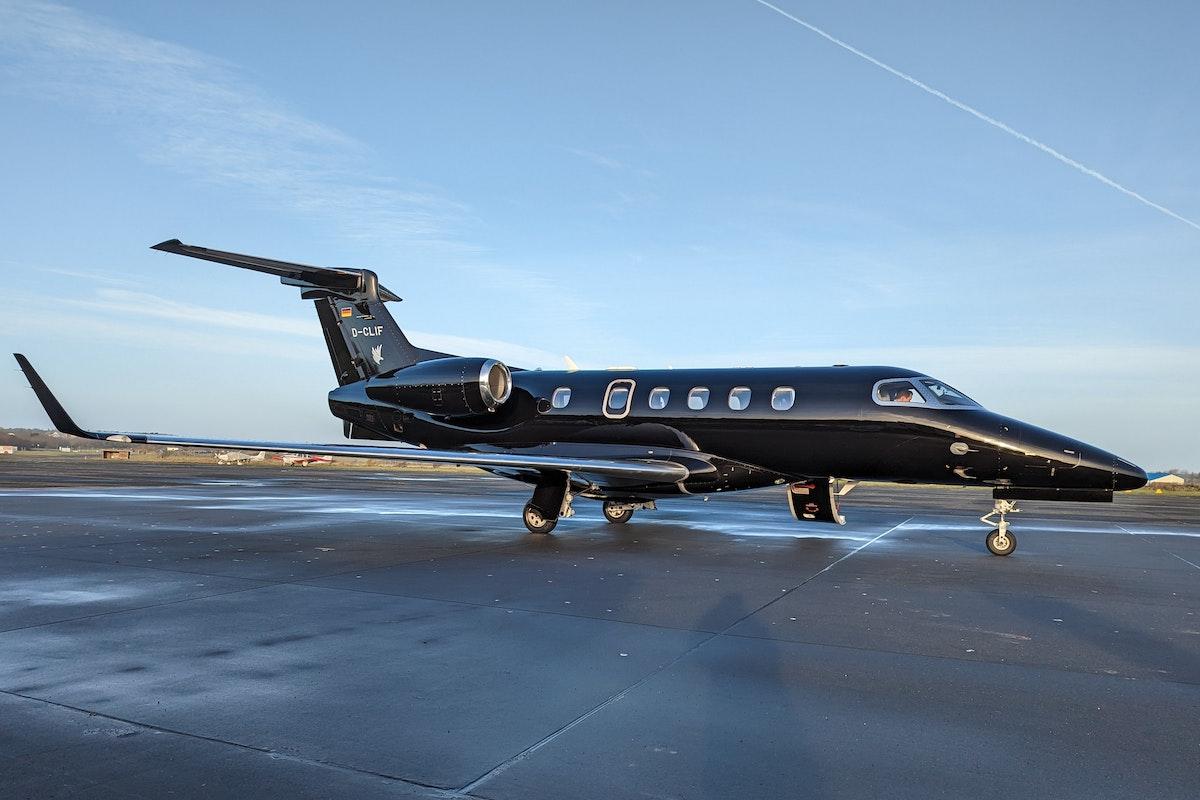
Luxury Travel Private Jet Privatejetia 29
Private jet ownership is not just a luxury, it’s a strategic investment that can offer both personal benefits and financial returns when approached with the right tactics. Whether you’re a high-net-worth individual looking for a better way to travel or an investor interested in maximizing the potential of aviation assets, the key to successful private jet ownership lies in making smart, informed decisions. In this insider’s creative blueprint, we’ll uncover essential tactics for private jet ownership, providing you with a comprehensive guide to navigating the market, negotiating deals, and securing long-term value.
1. Why Private Jet Ownership? The Case for Smart Investment
Investing in a private jet is not a decision to be taken lightly. It involves substantial financial commitment, as well as ongoing costs for maintenance, operations, and insurance. However, for the right investor, it can be a wise investment that goes beyond convenience and exclusivity. Private jet ownership offers multiple benefits, from enhanced flexibility to potential revenue generation, and it can even provide opportunities for tax deductions under specific circumstances.
Business Travel Efficiency
For business owners and entrepreneurs, a private jet can be a game-changer, enabling you to avoid delays and travel on your own schedule. This efficiency can directly impact your productivity, allowing you to focus on more important matters during your flight rather than dealing with airport delays and commercial flight schedules. In addition, a jet offers a more secure and confidential way to conduct business on the go, with the ability to take calls or hold meetings during your travels.
Maximizing Asset Value
For investors, a private jet can be an asset that appreciates in value over time, especially if you are strategic in your approach. By choosing the right model and maintaining your jet properly, you can secure a resale price that offers a return on your initial investment. Moreover, some owners engage in charter programs or fractional ownership models that allow them to generate revenue from their jets when not in use. This passive income can help offset the cost of ownership while keeping the asset working for you.
Tax Benefits and Depreciation
One of the most significant benefits for private jet owners is the potential for tax deductions. If the jet is used for business purposes, certain expenses, including operating costs, fuel, and depreciation, may be deductible. Work with a qualified tax advisor to ensure that you’re taking advantage of all available tax benefits, as they can help significantly reduce the overall cost of ownership.
2. Choosing the Right Jet: The Ultimate Guide to Aircraft Selection
When it comes to buying a private jet, choosing the right model is crucial. It requires careful consideration of your travel needs, budget, and long-term objectives. Whether you’re purchasing for personal use or as an investment, the aircraft you select will play a pivotal role in determining how effectively your asset performs over time.
Personal vs. Business Needs
The first step in selecting the perfect jet is deciding how you will use it. For business owners or executives who prioritize speed, mid-sized jets like the Cessna Citation Sovereign or Bombardier Challenger 350 are ideal. These models offer exceptional range, comfortable cabins, and the ability to access smaller airports, making them efficient for frequent business trips.
For more personal or leisure-focused owners, larger jets such as the Gulfstream G650ER or Dassault Falcon 7X provide more luxurious accommodations, greater passenger capacity, and longer-range capabilities. These jets also come with amenities such as private suites, spacious lounges, and gourmet kitchens, allowing you to travel in utmost comfort.
Age, Condition, and Maintenance
Another crucial factor is the age and condition of the jet. If you’re looking for a jet that offers both quality and value, purchasing a pre-owned aircraft could be a smart choice. However, you must conduct thorough due diligence to verify the jet’s maintenance history, including any accidents or major repairs. Pre-owned jets are often significantly less expensive than new ones, but ensuring they have been well-maintained is critical to preventing costly repairs down the line.
Customization and Interior Design
Many private jet owners invest in customizing the interiors of their jets to reflect their personal tastes and needs. This could include upgrading the cabin with high-end materials, custom furnishings, and personalized layouts that enhance the flying experience. The customization process can also improve the jet’s resale value, especially if it includes state-of-the-art avionics or luxury features like a full entertainment system or privacy suites.
3. Financing Your Private Jet Purchase: Creative Strategies for Investors
Private jet ownership requires a substantial financial investment, so it’s important to consider creative financing options that will allow you to maximize returns while minimizing risk.
Leverage Leaseback Programs
One of the most effective ways to finance your private jet is through a leaseback program. A leaseback arrangement allows you to buy the jet and then lease it back to the manufacturer or a third-party provider. In turn, you receive income from leasing the aircraft, which can offset the costs of ownership. This can be especially helpful if you don’t plan to use the jet full-time but still want to retain ownership of the asset.
Explore Fractional Ownership
For investors who want access to a private jet without the full financial commitment, fractional ownership offers an attractive alternative. With fractional ownership, you buy a share of the jet, which entitles you to a set number of hours of flight time per year. This option allows you to enjoy the benefits of private jet travel without the responsibility of maintaining the aircraft yourself. Companies like NetJets and Flexjet offer fractional ownership programs that make it easier to manage the costs associated with private aviation.
Tax Benefits for Business Use
If you plan to use your private jet for business purposes, you may be able to take advantage of significant tax benefits. Certain expenses associated with operating the jet, such as fuel, maintenance, and insurance, may be eligible for tax deductions. Additionally, depreciation on the aircraft can be deducted over a period of years, reducing your taxable income. Consult with an aviation accountant to structure your jet purchase in a way that maximizes these benefits.
4. Market Research: Securing the Best Deals on Private Jets
To ensure you’re getting the best deal on your private jet, comprehensive market research is essential. The aviation market can be complex, and prices can fluctuate based on factors like jet model, age, and demand. By staying informed, you can secure the best possible value for your investment.
Monitor Market Trends
The private jet market tends to follow cyclical trends, with prices fluctuating based on supply and demand. Keeping a close eye on market conditions can help you time your purchase to secure the best deal. Additionally, monitoring trends in pre-owned aircraft sales can help you understand which models are in demand and which might offer better investment opportunities in the long run.
Compare Jet Models and Prices
When shopping for a jet, it’s important to compare models from different manufacturers. Use online platforms such as JetNet and Controller to review prices for comparable aircraft. Make sure to evaluate each jet’s range, performance specifications, and available amenities to ensure you’re making an informed decision.
Negotiating Terms
Once you’ve identified the right jet, it’s time to negotiate the terms of the sale. This includes the purchase price, payment terms, and any warranties or service agreements that come with the jet. You may also want to negotiate on upgrades, such as avionics or interior modifications. Hiring an aviation consultant or broker can help you navigate these negotiations and secure a favorable deal.
5. Maintaining Your Private Jet: Maximizing Long-Term Value
Properly maintaining your private jet is essential to preserving its value and ensuring its longevity. Regular maintenance and upgrades will keep the jet in top condition, reduce the risk of costly repairs, and enhance its marketability should you choose to sell or trade it in the future.
Schedule Routine Inspections
Routine inspections are necessary to ensure that your jet remains in compliance with aviation safety standards. The FAA (Federal Aviation Administration) and other regulatory bodies require that private jets undergo regular inspections to ensure airworthiness. Maintaining up-to-date inspection logs and documentation is essential for preserving the value of your jet and maintaining its resale potential.
Invest in Modern Avionics
One of the most effective ways to increase the value of your jet and extend its useful life is by investing in modern avionics. New technologies, such as advanced navigation systems, autopilot systems, and wireless connectivity, can make your jet safer, more efficient, and more attractive to potential buyers.
Enhance the Interior
Interior upgrades can not only improve the flying experience for you and your passengers but can also increase the resale value of the jet. Installing the latest entertainment systems, custom seating, or luxury finishes will help ensure that your aircraft remains competitive in the marketplace and retains its value over time.
6. Exit Strategy: Maximizing Return on Investment
While private jet ownership is a long-term commitment, it’s essential to plan an exit strategy that allows you to maximize your return on investment (ROI). Over time, the resale value of your jet can fluctuate based on its age, condition, and the demand for specific models.
Monitor Market Conditions
By keeping a close watch on market conditions, you’ll be able to time the sale of your jet to coincide with the most favorable selling environment. Factors such as rising fuel prices, increased demand for business jets, or changes in the aviation industry can all impact resale values.
Consider Leasing or Chartering
If you don’t plan to sell the jet immediately, consider leasing or chartering it to generate passive income. Charter programs allow you to monetize your asset, covering operating costs and even making a profit while keeping the jet in your possession.
Work with Brokers and Dealers
When it’s time to sell your jet, it’s beneficial to work with a reputable aviation broker or dealer who has experience in private jet sales. These professionals can help market your jet effectively and negotiate the best price based on current market trends.
Conclusion
Private jet ownership can be a rewarding investment if approached with careful planning and strategic tactics. By selecting the right jet, utilizing creative financing methods, conducting thorough market research, and maintaining your aircraft, you can maximize the value of your investment and enjoy the numerous benefits that come with owning a private jet. With the right insider strategies, your journey to private jet ownership will be a smart, lucrative, and enjoyable experience.


