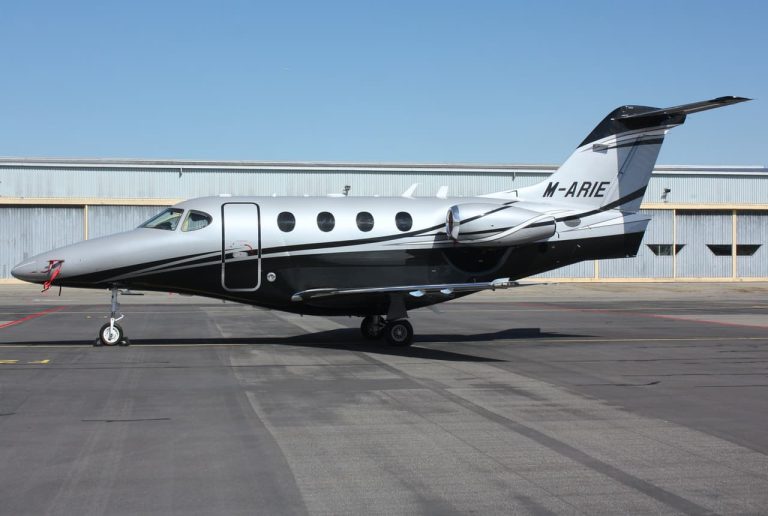
Astra/Gulfstream SPX
Owning a private jet is more than just an opportunity for luxury travel—it’s also a significant financial commitment that opens up various tax benefits. For those who use their jets for business purposes, the potential to maximize tax credits and deductions is substantial. However, navigating the complex legal and financial landscape of private jet tax advantages requires careful planning and an understanding of the various strategies at your disposal.
In this guide, we’ll dive into the creative legal approaches to maximize tax credits and deductions for private jet owners. From depreciation to fuel tax credits, this article offers valuable insights on how to structure ownership, track usage, and legally leverage available benefits to minimize your tax liability. Whether you are a business owner, a high-net-worth individual, or a corporate fleet manager, this insider’s guide will help you make the most of the tax advantages of private jet ownership.
1. Understanding the Basics of Private Jet Tax Credits and Deductions
Before you can optimize the benefits of tax credits and deductions, it’s important to understand what is available to private jet owners under the current tax laws. While the exact deductions and credits can vary based on the specific circumstances, most private jet owners can take advantage of several key benefits:
- Depreciation Deductions
Depreciation allows jet owners to deduct a portion of their aircraft’s value each year, which can lead to substantial tax savings. Depending on the aircraft’s use—whether it’s for personal or business purposes—owners may qualify for accelerated depreciation under certain conditions. The Section 179 deduction and bonus depreciation are especially powerful tools for businesses looking to deduct the full purchase price of their jet in the year it’s placed into service. - Business Use Deductions
To qualify for the best tax advantages, a private jet must be used for business purposes at least 51% of the time. This can include business-related travel, client meetings, and any other activities that can be legitimately classified as business use. The IRS allows business owners to claim deductions for operating expenses like maintenance, fuel, hangar fees, and pilot salaries. - State and Local Tax Benefits
Depending on your state of residence or where the jet is registered, additional state-level tax benefits may apply. Some states offer tax credits or exemptions for sales tax, property tax, or fuel taxes, which can significantly reduce the overall tax burden on jet owners.
2. Creative Ownership Structures to Maximize Tax Benefits
The way in which you structure your ownership of a private jet can have a major impact on your ability to claim tax credits and deductions. Using creative ownership strategies can help you maximize these benefits while ensuring that you are legally compliant with IRS regulations.
- Owning the Jet through a Business Entity
One of the most common ways to maximize tax credits and deductions is to own the jet through a business entity such as an LLC, corporation, or partnership. When the jet is owned by a business, you can claim business-related deductions for operating costs like fuel, maintenance, and insurance. Additionally, you can take advantage of the Section 179 deduction and bonus depreciation to write off the cost of the aircraft.
For example, if the jet is used primarily for business purposes, the business can potentially claim 100% depreciation in the first year of ownership (under current bonus depreciation rules). This allows for substantial upfront tax savings. However, the IRS requires that the aircraft be used for legitimate business purposes, and the percentage of business use must be documented in detail.
- Fractional Ownership
Fractional ownership allows multiple parties to share the costs of a jet while each owner retains access to the aircraft. This ownership model can provide the ability to claim a proportionate share of the aircraft’s operating costs, including depreciation and maintenance. By entering into a fractional ownership agreement, you may be able to reduce your upfront investment and gain the ability to maximize the use of the aircraft for business purposes, which is necessary for claiming tax deductions.
While fractional ownership can help reduce costs, it also introduces additional complexities in terms of tax filing, especially when it comes to tracking business and personal usage. In these arrangements, each owner must carefully monitor their use of the aircraft to ensure they’re compliant with tax laws.
- Aircraft Holding Companies
Another creative strategy is to own the jet through an aircraft holding company. This separate legal entity is designed to own the jet while shielding other assets from liability. The company structure can be especially useful for high-net-worth individuals or businesses that want to separate their personal or operational assets from their jet. Additionally, the company can lease the aircraft to others, generating income that can be used to offset some of the costs and taxes associated with ownership.
Holding companies also provide flexibility when it comes to tax planning. You may be able to offset some of the company’s operational costs against your tax liability and structure the aircraft lease to generate tax-efficient income.
3. Leveraging Section 179 and Bonus Depreciation for Maximum Deductions
Section 179 and bonus depreciation are powerful tools for private jet owners looking to reduce their tax liabilities. These provisions allow you to write off the purchase price of a jet, either partially or in full, depending on how the aircraft is used. Here’s how to leverage these tools creatively:
- Section 179 Deductions
Section 179 of the IRS Code allows businesses to deduct the full cost of qualifying property, including aircraft, up to a certain annual limit. In 2025, the Section 179 deduction limit for qualified property is $1.16 million, and the benefit starts to phase out once your total property purchases exceed $2.89 million. For high-cost private jets, this can be an incredibly valuable way to reduce your taxable income in the year of purchase.
To qualify for Section 179 deductions, the jet must be used primarily for business purposes (more than 50% of the time). The deduction is available in the year the jet is placed into service, and it’s a significant advantage for businesses that need to write off large expenditures.
- Bonus Depreciation
Bonus depreciation allows businesses to deduct a large portion (currently 100%) of the cost of new or used aircraft in the first year they are placed into service. This accelerated depreciation option allows for immediate tax savings, which can be particularly beneficial for those who need to reduce their taxable income in a single year.
However, bonus depreciation is set to phase down in the coming years, starting with 80% in 2026 and continuing to decrease until it’s eliminated by 2028. Therefore, it’s critical to take advantage of bonus depreciation before it phases out completely. If you are planning to purchase a jet, now may be the ideal time to do so to maximize these deductions.
4. Tracking Business vs. Personal Use: The Key to Claiming Deductions
To fully benefit from tax credits and deductions, it’s essential that you track business vs. personal use of your private jet accurately. The IRS requires that any jet used for both business and personal purposes must have its business-use percentage documented. Without this, you may risk losing tax deductions for the personal portion of your jet’s expenses.
Here are a few strategies for tracking and documenting usage:
- Detailed Flight Logs
Keep a detailed flight log that records each flight, including the date, the flight’s purpose (business or personal), the passengers, and the distance traveled. This log serves as evidence in case of an audit and helps justify the percentage of the jet’s use that can be claimed as business-related. - Automated Tracking Systems
For larger fleets or those who frequently use private jets for business purposes, consider using automated flight tracking systems. These systems can help record data in real time, ensuring that all flights are properly categorized and documented for tax purposes. - Accurate Allocation of Operating Costs
Once you’ve tracked the business-use percentage of your jet, apply it to your operating expenses. For example, if your jet is used 70% for business purposes, you can deduct 70% of the jet’s operating costs, including fuel, maintenance, and insurance, as business expenses.
5. Special Tax Credits for Aircraft Operations
In addition to deductions and depreciation, private jet owners may also be eligible for certain tax credits. These credits can reduce your tax liability directly, rather than just providing a deduction. Some examples include:
- Fuel Tax Credits
If your jet is used for business purposes and flies in certain airspace, you may be eligible for fuel tax credits. The federal government offers tax credits for businesses using aircraft in interstate commerce, and several states offer similar programs. - Energy Efficiency Credits
If you upgrade your jet to include more energy-efficient components or technologies (such as more fuel-efficient engines or alternative fuel systems), you may be eligible for federal or state tax credits aimed at promoting environmental sustainability. These credits help offset the costs of upgrading and can improve the overall efficiency of your aircraft.
6. Working with Professionals to Maximize Your Tax Benefits
Given the complexity of private jet tax filing, it’s essential to work with aviation tax specialists, accountants, and aviation attorneys to ensure you are maximizing your deductions and credits. These professionals can help you navigate the ever-changing tax laws, advise you on creative legal strategies, and ensure that you comply with all regulations.
- Aviation Tax Advisors
An aviation tax advisor specializes in the intersection of aviation and tax law. They can help structure your aircraft purchase, lease agreements, and operational strategies to maximize tax savings while ensuring compliance with IRS regulations. - Legal Counsel
An aviation attorney can assist with the legal aspects of structuring ownership agreements, drafting flight contracts, and advising on tax issues related to the use of your private jet.
7. Conclusion: Maximizing Private Jet Tax Credits and Deductions
Private jet ownership can be a lucrative financial investment, especially if you know how to leverage the available tax credits and deductions. By understanding the creative legal strategies available—such as structuring ownership, maximizing depreciation benefits, and accurately tracking usage—you can minimize your tax liabilities and make the most of your investment.
Whether you are a business owner, a high-net-worth individual, or part of a corporate fleet, maximizing tax benefits is a critical part of managing private jet ownership. By staying informed, working with professionals, and utilizing the right strategies, you can ensure that your private jet continues to offer both financial and personal rewards.