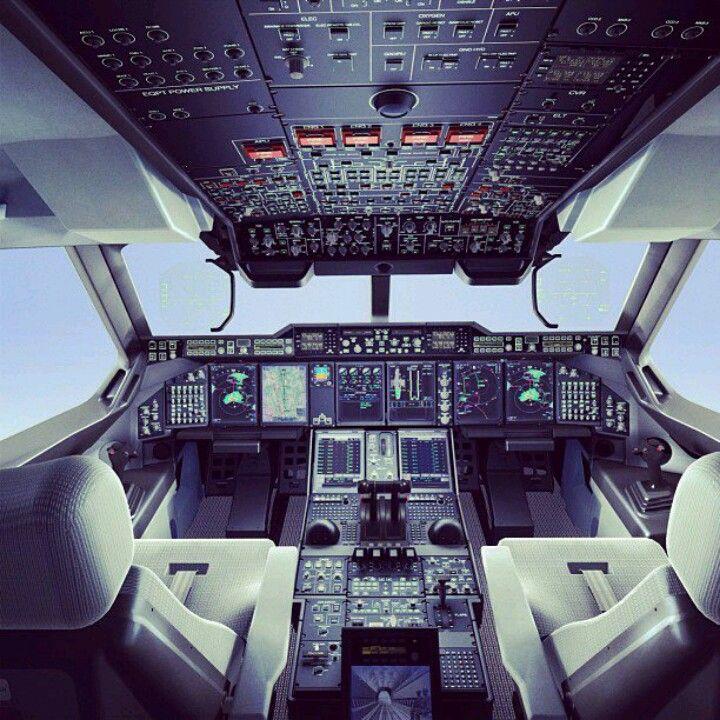
private jet technology privatejetia 20
Purchasing a private jet is not just about owning a luxurious mode of transportation, it’s about making a strategic investment that can bring long-term rewards. Whether you’re buying a jet for business, leisure, or investment purposes, the process requires more than just financial backing. It demands an understanding of the market, insider knowledge, and creative strategies to secure the best deal possible.
In this guide, we’ll explore proven techniques to help you make an informed decision when purchasing a private jet. From identifying your needs to negotiating with sellers, these insider strategies will provide you with a comprehensive roadmap to buying a private jet successfully.
- Understand Your Needs Before Diving Into the Market
The first step in buying a private jet is understanding why you need it and what you expect from it. This clarity will help narrow your options, making the purchasing process more efficient and ensuring that you choose the right aircraft for your lifestyle.
Key Considerations for Identifying Your Needs:
Usage Requirements: Will you be using the jet primarily for business, personal travel, or both? If it’s for business, consider how often you’ll need to fly, the number of passengers, and the range required for your trips. For personal use, your preferences for luxury, amenities, and space will play a crucial role.
Flight Range and Speed: Determine the typical distance of your flights. Jets are designed for different ranges, from short regional hops to long-haul international flights. The range of the aircraft will determine the size of the engine and overall fuel efficiency.
Passenger Capacity: How many people do you typically travel with? Small jets may only accommodate a few passengers, while larger jets can comfortably seat 15 or more. Knowing how much capacity you need will help you avoid overspending on unnecessary space.
Comfort and Luxury Needs: Different jets come with varying levels of luxury, from basic seating to custom interiors with bedrooms and lounges. Define what amenities are essential for your comfort and which are optional.
By being clear about your requirements, you can avoid getting overwhelmed by the overwhelming number of options available.
- Understand the Private Jet Market
The private jet market is dynamic and can be highly competitive. Knowing how to navigate the market and what factors influence pricing will give you an edge in securing the best deal. There are three primary markets to consider when buying a private jet:
New Aircraft Market: Purchasing a brand-new jet guarantees the latest technology, amenities, and customization options. However, this also comes with a high price tag. You’ll typically wait longer for delivery as the jet may need to be built to your specifications.
Pre-Owned Aircraft Market: The pre-owned market offers significant savings compared to new aircraft, but it comes with additional considerations. Aircraft can vary greatly in condition, so it’s essential to perform a thorough inspection. Depreciation is a factor in the pre-owned market, and a jet that’s a few years old may offer more value for the money.
Lease or Fractional Ownership: If outright ownership seems like too much of a financial commitment, leasing or fractional ownership may be a good alternative. With fractional ownership, you share the costs and responsibilities of ownership with other investors while still enjoying the benefits of access to a private jet.
In each market, timing can make a huge difference in price. The demand for private jets fluctuates based on global economic conditions, so it’s essential to stay informed about trends in the aviation industry.
- Work with an Experienced Broker or Consultant
Navigating the complexities of buying a private jet requires expertise, and hiring an experienced broker or aviation consultant is one of the most effective ways to ensure a smooth transaction. An insider in the private aviation world, these professionals will have access to exclusive deals, market insights, and negotiation strategies that you wouldn’t typically find on your own.
Benefits of Working with a Broker or Consultant:
Market Insights: They have access to the latest market trends, including current prices, aircraft availability, and inventory. This allows them to help you spot a deal when it becomes available.
Expert Negotiation: Brokers and consultants are skilled negotiators who can help you secure the best price and terms. They know how to work with sellers and can handle complex negotiations with ease.
Pre-screened Inventory: Many brokers have access to exclusive or off-market inventory. Their connections to sellers can help you find the perfect aircraft before it hits the open market.
Make sure to choose a broker or consultant with a strong reputation, relevant industry certifications, and a track record of success. It’s an investment that can pay off in the long run.
- Assess the Aircraft’s Total Cost of Ownership
Owning a private jet goes beyond the initial purchase price. The total cost of ownership includes a wide range of ongoing expenses that need to be factored into your decision-making process. Understanding these costs will give you a realistic picture of your financial commitment and help you avoid unexpected expenses down the road.
Ongoing Costs to Consider:
Maintenance and Repairs: Depending on the age and model of the aircraft, maintenance costs can be substantial. Ensure the jet is in good condition by requesting detailed maintenance records and having an independent inspection performed.
Insurance: Private jet insurance premiums can vary depending on factors such as the aircraft’s value, usage, and your flying history. Make sure you have adequate coverage to protect your investment.
Crew Salaries: If you plan to hire flight crew, their salaries will be an ongoing cost. Larger jets require more crew members, including pilots and flight attendants.
Fuel and Operating Costs: Fuel is one of the most significant ongoing expenses when flying a private jet. Additionally, you’ll need to account for landing fees, hangar space, and other operating expenses.
A thorough cost analysis will help you avoid the financial pitfalls that many first-time jet buyers face. Always have a clear understanding of what you’re committing to before signing any agreements.
- Focus on Resale Value and Depreciation
One of the unique aspects of private jet investments is that they depreciate over time. However, the rate of depreciation varies depending on the aircraft’s make, model, and age. Understanding how depreciation works in the private jet market is essential if you plan on reselling the jet in the future.
Tips for Maintaining Strong Resale Value:
Regular Maintenance: Regular upkeep and maintenance can help maintain the jet’s performance and value. If you’re diligent about staying on top of repairs and servicing, your jet will likely command a better resale price.
Customization: Avoid over-personalizing the interior of your jet. While customization is important for your comfort, remember that potential buyers may have different preferences. Opt for classic designs and neutral colors that appeal to a broader market.
Market Timing: Like any investment, timing plays a crucial role in maximizing the resale value of your jet. Pay attention to industry trends and market conditions to determine the best time to sell. In some cases, a recession or economic downturn could lower demand for private jets, while booming economies may drive up prices.
By keeping the aircraft in good condition and understanding how to time your resale, you can minimize the depreciation and recoup a larger portion of your original investment.
- Leverage Tax Benefits of Private Jet Ownership
Many buyers overlook the potential tax advantages of owning a private jet. Depending on how the jet is used, particularly for business purposes, owners may be eligible for significant tax deductions. These benefits can help offset some of the costs of ownership and enhance the financial return on your investment.
Potential Tax Benefits Include:
Depreciation Deductions: In some jurisdictions, private jets are considered depreciable assets. This means you can write off a portion of the aircraft’s value each year, which can provide substantial tax savings.
Business Use Deductions: If the jet is used for business travel, you may be able to deduct operating expenses such as fuel, maintenance, and insurance. This can significantly reduce the cost of ownership, especially if the jet is used frequently for business purposes.
Section 179 Deductions: In the United States, Section 179 allows for the immediate expensing of equipment, including aircraft, up to a certain limit, provided the jet is used for business purposes.
Consulting with a tax advisor who specializes in aviation is crucial to understanding the specific deductions you may be eligible for and how to structure your purchase to maximize tax savings.
- Negotiate Smart Terms for Financing and Payment
Many jet buyers finance their purchase rather than paying upfront. If you choose to finance your private jet, it’s essential to negotiate favorable terms to make the purchase more financially manageable. In addition to interest rates, you’ll need to consider the length of the loan, payment structure, and down payment required.
Negotiating Financing Terms:
Loan Structure: Work with an aviation finance expert to find a loan structure that suits your cash flow needs. Depending on the loan, you may have the option of securing a fixed-rate or variable-rate loan.
Down Payment: Private jet lenders may require a substantial down payment, often ranging from 10% to 30%. The size of the down payment will depend on your financial situation and the specific aircraft you’re purchasing.
Interest Rates: Interest rates on jet loans can vary based on factors such as credit score, loan term, and the lender’s policies. Shop around to find the most favorable interest rates, and consider locking in a rate before market conditions change.
Smart financing can make purchasing a private jet more accessible and manageable over time, but it’s essential to negotiate terms that align with your long-term financial goals.
- Final Inspection and Purchase Agreement
Before finalizing the deal,
conduct a final inspection of the aircraft with a trusted expert. This step ensures that the jet is in the condition you expect and that no hidden issues will arise after the purchase.
Once the inspection is complete, it’s time to review and sign the purchase agreement. Ensure that all the terms, including the price, delivery date, and any contingencies, are clearly outlined in the contract. Having a lawyer who specializes in aviation contracts review the document is recommended to avoid any legal pitfalls.
Conclusion:
Buying a private jet is a significant financial commitment, but with the right approach and insider techniques, it can be a rewarding investment. By understanding your needs, working with a knowledgeable broker, carefully assessing the market, and leveraging creative financing and tax strategies, you’ll be well-equipped to make a smart purchase. Ultimately, a successful private jet acquisition involves more than just finding the right aircraft, it’s about making informed decisions that maximize the value of your investment over time.


