


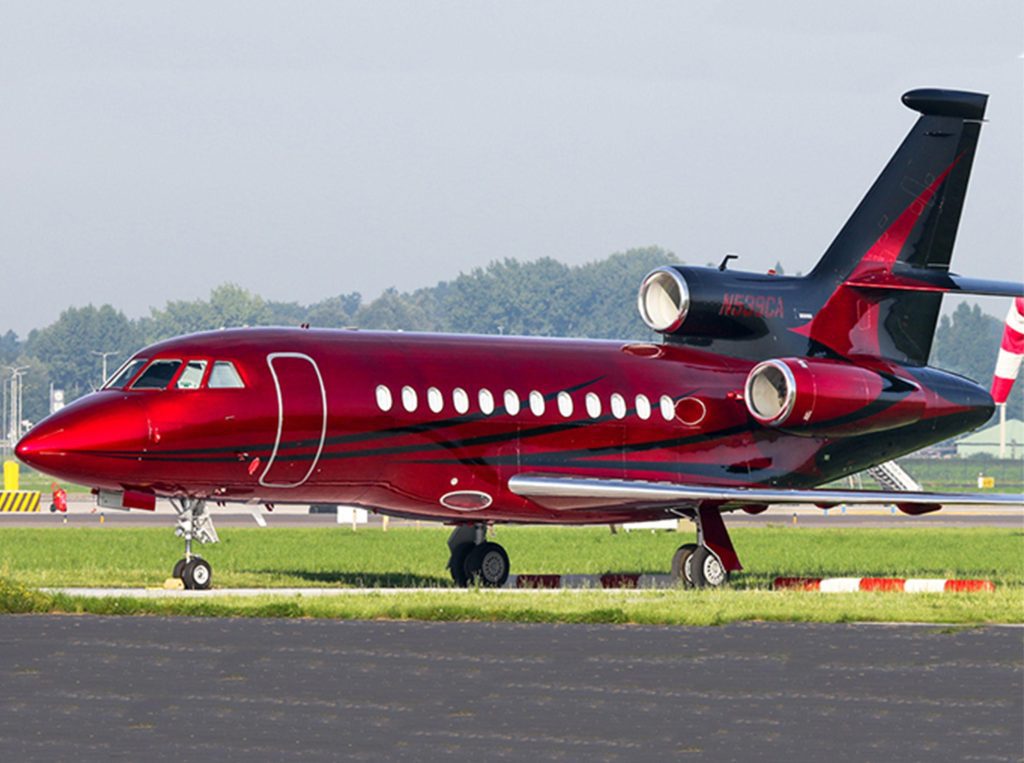
Investing in a private jet is more than just a luxury, it’s a strategic move that can elevate your lifestyle and business. With private air travel becoming increasingly accessible to high-net-worth individuals and corporations, understanding the ins and outs of private jet investment is crucial to making an informed and profitable purchase. This creative playbook is designed to help you navigate the complexities of the private jet market, offering essential strategies and insider tips that can help you secure the best investment for your needs.
Whether you’re considering buying your first jet, looking to expand your fleet, or exploring ways to maximize the financial returns from jet ownership, this guide will provide you with the creative insights needed to make the most out of your aviation investment.
- Start with a Clear Investment Goal: Define Your Objectives
Before diving into the world of private jet investments, it’s essential to have a clear understanding of your goals. This is the first and most critical step in making a smart investment. Consider the following factors:
- Personal or Business Use? If you plan to use the jet for personal travel, your priorities may focus more on luxury, comfort, and range. However, if your jet will serve business purposes, efficiency, cost-effectiveness, and the ability to travel with colleagues or clients will be more important.
- How Often Will You Use the Jet? The frequency of use directly impacts the type of jet you should invest in. If you only need the jet occasionally, fractional ownership or charter services might be more cost-effective. On the other hand, frequent flyers benefit from full ownership to maximize time and flexibility.
- Desired Return on Investment (ROI): Some investors look at private jets as a business asset that can generate income, either through chartering services or as a luxury asset that appreciates in value. Defining your ROI goals early will help you evaluate your options more effectively.
Understanding your primary purpose for the purchase will help narrow down choices and guide you toward the jet that best aligns with your investment strategy.
- Evaluate the Market: Know the Aircraft Types and Their Value
Private jets come in various shapes, sizes, and capabilities, and each type caters to a specific set of needs. Whether you’re purchasing a jet for business travel, leisure, or as part of a broader investment strategy, it’s essential to understand the differences between the various aircraft categories:
- Light Jets: Light jets are perfect for short regional trips, accommodating 4-6 passengers with a range of up to 1,500 miles. They are the most cost-effective option but come with limitations in terms of luxury and distance. Examples include the Cessna Citation Mustang and Embraer Phenom 100.
- Midsize Jets: These jets offer more space, greater range (1,500-2,500 miles), and the ability to transport 7-9 passengers. They strike a balance between cost and performance, making them ideal for both business and personal use. Consider the Learjet 60 or Hawker 800XP.
- Heavy Jets: If your needs include long-range travel (over 3,000 miles) and luxurious amenities, heavy jets are the way to go. These aircraft can accommodate 10 or more passengers and provide unparalleled comfort, making them ideal for frequent international travel. The Gulfstream G500 and Bombardier Global 5000 are popular models.
- Ultra-Long-Range Jets: For those who require the ability to fly anywhere in the world nonstop, ultra-long-range jets are the summery of performance. These jets can carry 10-15 passengers with a range of over 7,000 miles. Examples include the Gulfstream G650ER and Dassault Falcon 8X.
When evaluating the market, it’s important to consider both new and pre-owned jets. Pre-owned jets often offer significant savings, but they require more attention to inspection, maintenance, and overall condition.
- Understand the Financial Aspects: Creative Financing Solutions
Private jet ownership involves significant upfront costs, as well as ongoing expenses. However, there are creative financing solutions that can help ease the burden of purchasing and maintaining a jet:
- Traditional Financing: A bank loan or financing from an aviation lender allows you to spread the cost of the jet over several years. Interest rates typically range between 4% and 7%, depending on your credit profile and the jet’s value. Traditional financing is ideal if you plan to keep the jet for long-term use and prefer a predictable payment schedule.
- Leasing Options: If you don’t want to commit to full ownership, leasing offers flexibility. An operating lease allows you to rent a jet for a fixed period, while a finance lease works similarly to traditional financing, with the option to purchase at the end of the lease term.
- Fractional Ownership: This option allows you to purchase a share of an aircraft (typically 1/8th or 1/4th). Fractional ownership provides you with the benefits of jet ownership without the high upfront cost. You share the costs with other owners, making this an attractive option for those who only need a jet part-time.
- Jet Cards: If you don’t want to own or lease a jet, purchasing a jet card is an option. This pre-paid service lets you buy a specific number of hours for jet travel, offering the convenience of private flights without the hassle of ownership. Jet cards are ideal for those who fly infrequently but want flexibility.
Understanding these creative financing options will help you make a decision that aligns with your financial situation and goals.
- Factor in Operating and Maintenance Costs: Plan for Long-Term Sustainability
Owning a private jet isn’t just about the purchase price. The ongoing costs of operating and maintaining the jet are significant and must be factored into your long-term investment strategy. These costs include:
- Fuel: Fuel is one of the largest recurring expenses. The cost of fuel depends on the jet size and distance traveled. On average, jet fuel costs between $1,000 and $3,000 per flight hour.
- Maintenance: Routine maintenance and annual inspections are essential to keeping your jet in top shape. These costs can range from $200,000 to $500,000 annually, depending on the age and type of the aircraft. Older jets tend to have higher maintenance costs, so factor that into your investment decision.
- Crew Salaries: If you choose to employ a full-time flight crew, expect to pay salaries ranging from $100,000 to $300,000 annually per pilot, with additional costs for flight attendants or other staff.
- Insurance: Jet insurance is necessary to protect your investment. The cost of insurance typically ranges from $30,000 to $100,000 per year, depending on the jet’s value and usage.
- Storage: Hangar fees or parking fees at airports add to the ongoing operational costs. These fees vary depending on location but can range from $20,000 to $100,000 annually.
Understanding and budgeting for these ongoing costs is crucial for ensuring that your investment remains profitable and sustainable over time.
- Maximize Revenue Potential: Monetize Your Jet
In addition to enjoying the luxury of private travel, many jet owners find ways to monetize their investment. There are several creative ways to turn your private jet into a revenue-generating asset:
- Charter Services: If you’re not using your jet full-time, you can lease it out for charter services. Private jet chartering allows you to earn money by offering your jet to other travelers when it’s not in use. This can help offset maintenance and operational costs.
- Corporate Jet Partnerships: If you’re a business owner, consider partnering with other companies to share the costs of the jet. This arrangement allows your business to benefit from the jet without shouldering the entire financial burden. Corporate jet partnerships are common among high-net-worth individuals who use jets for both business and leisure.
- Advertising and Brand Partnerships: Another creative option is to partner with luxury brands or other businesses for advertising on your jet. Some companies pay for the exclusive use of a jet for promotions or branded events.
These strategies can help you recover some of your investment costs while continuing to enjoy the benefits of private air travel.
- Work with Experts: Build Your Aviation Dream Team
Navigating the private jet market requires the expertise of various professionals. Building your own aviation dream team is key to ensuring a smooth and profitable investment:
- Aviation Brokers: Experienced brokers can help you identify the right jet based on your needs and negotiate the best price. They have access to a vast network of sellers and can save you time and money during the purchasing process.
- Aircraft Inspectors: Before purchasing a pre-owned jet, an independent inspection is essential. Aircraft inspectors will assess the condition of the jet, including its engines, avionics, and overall safety features.
- Legal and Tax Advisors: Aviation attorneys and tax professionals will ensure that your purchase complies with all legal and tax regulations, helping you avoid potential pitfalls down the line.
By leveraging the expertise of these professionals, you can ensure that your private jet investment is both legally compliant and financially sound.
- Final Thoughts: Your Blueprint for Private Jet Investment Success
Investing in a private jet can be a rewarding and strategic decision when approached with the right mindset and strategy. By understanding your needs, evaluating your options, considering financing, and planning for operational costs, you can maximize the value of your investment. Whether you’re using the jet for personal travel, business, or as a revenue-generating asset, the key to success lies in creative planning and leveraging expert advice.
Private jet ownership offers unmatched convenience, comfort, and status. By following the insider strategies in this playbook, you’ll be well-equipped to make a smart, profitable investment and enjoy the benefits of private aviation for years to come.


