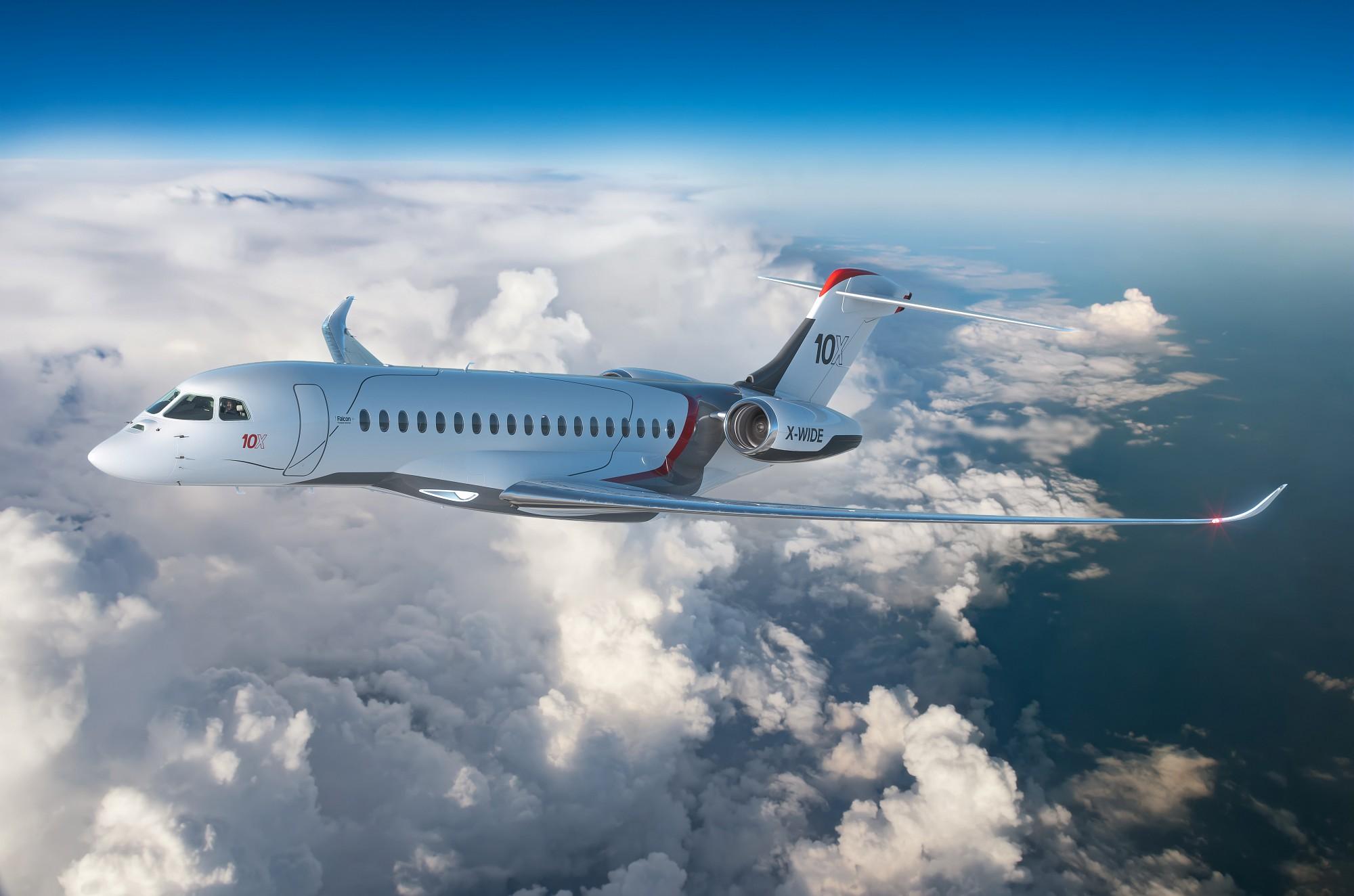
private jet technology privatejetia 9
For high-net-worth individuals, purchasing a private jet is an exciting and strategic investment. However, navigating the complex world of private jet ownership requires more than just financial resources, it demands creativity, careful planning, and an understanding of the market dynamics. This insider’s playbook will guide you through the essential steps to securing your private jet, combining expert advice with innovative approaches that set you apart from other buyers.
- Defining Your Purpose: Why Do You Need a Private Jet?
The first step in the journey to acquiring a private jet is to clearly define your purpose for owning one. While many buyers are motivated by luxury and convenience, the reasons for purchasing a jet can vary significantly depending on personal or business needs.
Business Travel Needs: For business leaders, frequent travel and maintaining a flexible schedule are primary motivators. A private jet can help you reduce downtime, avoid the inconvenience of commercial flights, and maintain productivity while in transit.
Family or Leisure Travel: For those who value privacy and flexibility in family travel or enjoy flying to remote destinations, a private jet offers unparalleled comfort and convenience. Elite families often purchase jets to enjoy a higher quality of life, making it easier to travel to vacation homes, resorts, or distant locations.
Investment Opportunity: Some buyers purchase jets with the intention of creating a business asset. By making their jet available for charter services when not in use, they can generate revenue that helps offset ownership and operating costs.
- Budgeting for the Purchase: Going Beyond the Price Tag
While many buyers focus on the upfront purchase cost of a private jet, a truly creative approach takes into account all associated expenses, both immediate and long-term.
Initial Costs: The price of the jet itself can range widely, depending on the size, model, age, and customization. It’s essential to work with an aviation consultant or broker to identify the right jet within your budget. New jets will generally cost more than pre-owned aircraft, but they come with the benefit of modern technology and fewer maintenance concerns.
Ongoing Costs: A creative buyer doesn’t just consider the price of the aircraft but also factors in operational expenses. These include pilot salaries, maintenance, fuel, insurance, and hangar fees. Over the life of the jet, these costs can add up quickly, so it’s essential to plan for them in advance.
Hidden Expenses: Other expenses that may not be immediately obvious include taxes, registration fees, and potential upgrades or customization costs. Be sure to budget for these as part of your overall ownership plan.
Tax Considerations: Certain countries offer tax incentives or deductions for business use of private jets. A creative approach includes working with a tax advisor who understands aviation-related tax benefits to maximize the financial efficiency of your purchase.
- Choosing the Right Jet: The Art of Matching Aircraft to Your Needs
When it comes to purchasing a private jet, one size does not fit all. Whether you need a jet for personal use, business purposes, or as an investment asset, it’s essential to choose an aircraft that aligns with your travel habits and long-term objectives.
Jet Type and Range: Start by assessing your flight needs. If you frequently travel long distances, a long-range jet may be more suitable. However, if your flights are generally short-haul, a smaller jet like a light jet or mid-size jet could provide better fuel efficiency and lower operating costs.
Passenger Capacity: How many people do you usually travel with? This will influence your decision, as jets come in a variety of sizes, ranging from those designed for solo travel to larger aircraft that can comfortably seat 10-15 passengers.
Age of the Aircraft: While brand-new jets have the advantage of modern technology and warranties, pre-owned jets can offer significant savings. Elite buyers often focus on well-maintained, gently used aircraft from respected manufacturers to get a better value. Make sure to inspect pre-owned jets thoroughly, with the help of an aviation expert.
Customizations and Features: Think about the type of amenities you need. For example, if you plan on using the jet for business meetings, you may want a cabin with a boardroom-style seating arrangement, advanced communication systems, and other tech features. A creative buyer often looks for ways to customize their jet to match their personal style or business needs.
- Financing Your Private Jet: Creative Financial Strategies
Buying a private jet is a significant investment, and most elite buyers explore a variety of creative financing options to secure the purchase.
Traditional Financing: Many buyers use loans or lease agreements to finance their jet purchase. Traditional loans, especially those provided by aviation-specific lenders, can offer favorable terms for private jet buyers, including lower interest rates and flexible repayment schedules.
Leasing Options: Leasing can be an attractive option for buyers who need access to a jet but want to avoid the long-term commitment of ownership. Leaseback arrangements, in which you lease your jet to a third party when not in use, allow you to generate revenue and reduce the cost of ownership.
Fractional Ownership: Fractional ownership allows you to own a share of a jet rather than the entire aircraft. This can significantly reduce your costs while still providing the benefits of private jet travel. Some programs allow you to purchase 1/16th or 1/8th shares, which entitle you to a certain number of flight hours each year.
Tax Benefits: Be sure to consult with a tax professional to determine the most tax-efficient way to structure your purchase. Depending on how you plan to use your jet, there may be significant tax deductions available for operating costs, depreciation, or other expenses.
Maintenance Programs and Warranties: Some financing options include maintenance programs, which can help offset the cost of ongoing repairs and upkeep. Working with your broker to find the best deal that includes these perks can ensure that the jet is maintained to the highest standards without adding unexpected costs.
- The Purchase Process: Navigating Negotiations and Inspections
Once you’ve selected the right jet and finalized your financing strategy, the next step is to negotiate the purchase and undergo the necessary inspections. A creative buyer focuses on these steps to ensure that the transaction goes smoothly.
Negotiation Strategies: Elite buyers often work with aviation brokers or agents who specialize in private jet transactions. These experts have the knowledge and experience to negotiate the best price and ensure that the terms of the deal are favorable. They can also help identify motivated sellers or unique opportunities to buy jets at a discount.
Aircraft Inspections: Before finalizing the purchase, make sure the jet undergoes a thorough pre-purchase inspection. A certified aviation mechanic should evaluate the jet’s condition, including its engines, systems, and airframe. This helps identify any potential issues that could lead to costly repairs down the road.
Closing the Deal: Once the negotiations are complete, and the inspection is satisfactory, it’s time to close the deal. This process involves reviewing the purchase agreement, finalizing financing, and taking possession of the aircraft. Your attorney should be involved in drafting the ownership agreement to ensure that all legal aspects are covered, including insurance requirements and maintenance responsibilities.
- Post-Purchase Considerations: Maintaining and Managing Your Jet
Ownership doesn’t end once the jet is delivered. A creative buyer ensures that the post-purchase experience is equally well-planned.
Jet Management: Many buyers choose to hire a management company to handle the day-to-day operations of their jet, including maintenance, staffing, and scheduling flights. This can help ensure the jet is always ready for use while removing the logistical burden from the owner.
Staffing Requirements: Private jets require skilled personnel, including pilots, cabin crew, and ground support. Depending on the size of your jet, you may need a full-time team to manage and operate the aircraft.
Maintenance Programs: A key part of private jet ownership is ensuring the jet is properly maintained. Consider entering into a long-term maintenance program that includes regular inspections and any necessary repairs. This helps preserve the value of the aircraft and ensures it remains in top condition for years to come.
Insurance: Be sure to arrange comprehensive insurance coverage that protects your aircraft and assets. This should cover not only the jet itself but also liability, passenger coverage, and loss of income in case the jet is unavailable for charter.
- The Creative Edge: Leveraging Your Jet Beyond Travel
The creative edge of private jet ownership comes in how you use and manage your asset beyond simply flying from point A to point B.
Branding and Image: For business owners, a private jet can be a powerful branding tool. Your jet’s design, features, and presence at important events or business meetings can elevate your personal or corporate image, showcasing your success and exclusivity.
Charter Opportunities: If your jet is not in constant use, you can also explore the option of chartering it out when not needed. This allows you to generate income and offset the costs of ownership.
Travel Flexibility: Whether for business or pleasure, a private jet offers unmatched flexibility in travel planning. As an elite buyer, you can leverage your jet to create unique travel experiences, access remote destinations, or maintain a competitive advantage in the business world.
Conclusion: Your Path to Smart Private Jet Ownership
Securing a private jet is a significant but rewarding undertaking that requires a blend of creativity, market knowledge, and strategic planning. By following the steps outlined in this playbook, from defining your purpose to securing the right financing and negotiating a favorable deal, you can make a well-informed and lucrative investment in your own private jet.
For elite buyers, private jet ownership offers not just luxury and convenience but also unique financial opportunities and lifestyle benefits. By taking a creative approach and leveraging
insider strategies, you’re on your way to mastering the world of private jet ownership, ensuring that your investment brings lasting value and enjoyment for years to come.


