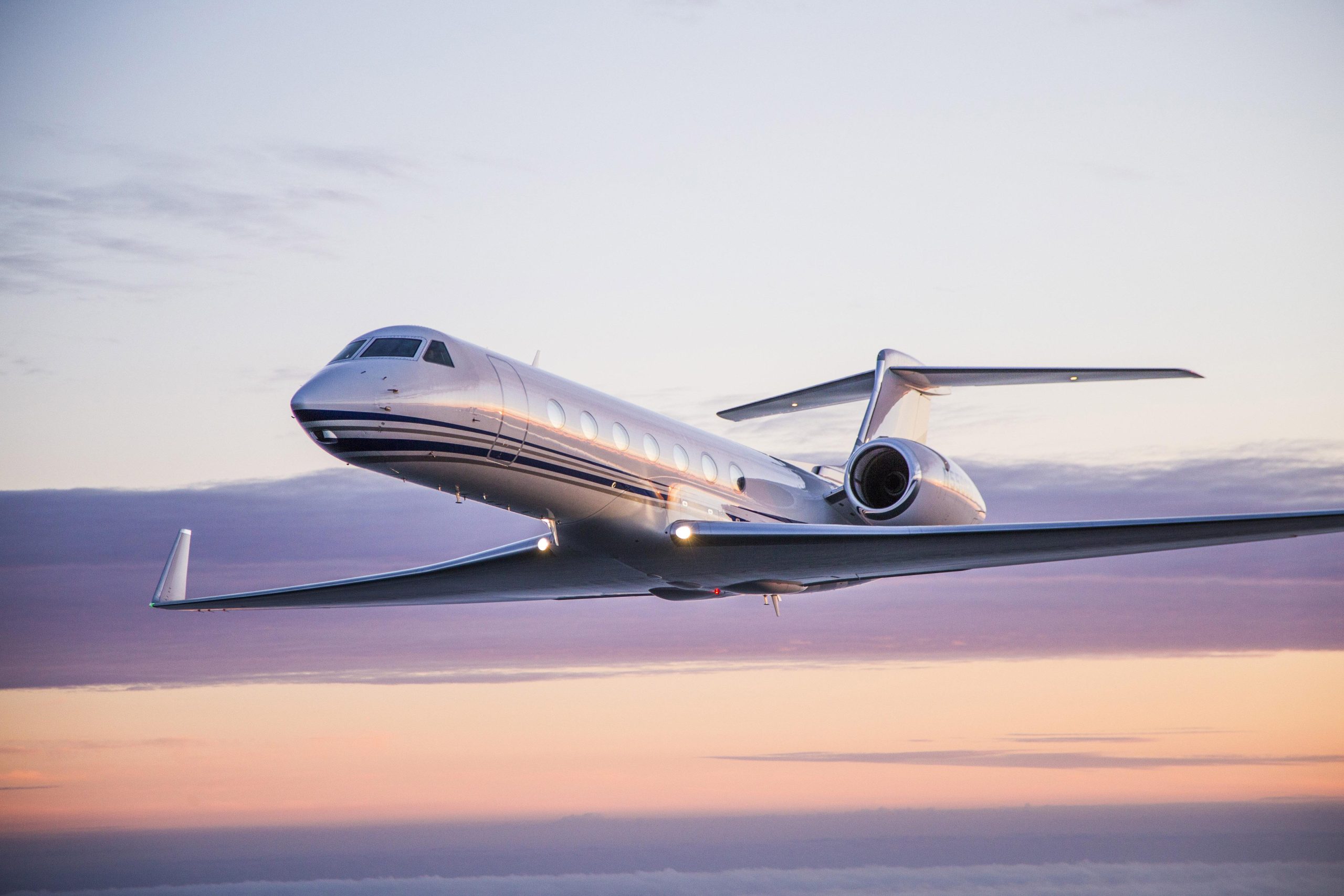
When it comes to air travel, the choice between private jets and commercial airlines offers two vastly different experiences. Each mode of transportation has its unique advantages and disadvantages, catering to specific needs, budgets, and preferences. Whether you prioritize luxury, time efficiency, or cost, understanding the key differences can help you determine which option is best for your journey. From privacy and convenience to cost and flexibility, this comprehensive guide breaks down the critical distinctions between private jets and commercial airlines.
One of the most significant differences between private jets and commercial airlines is the level of privacy offered. Private jets provide an a very uniqueed level of exclusivity, allowing passengers to travel with only their chosen companions or alone. This is particularly beneficial for business executives, celebrities, or individuals who value discretion and seclusion. Onboard a private jet, you won’t have to share space with strangers or deal with crowded cabins. In contrast, commercial airlines, even in premium classes, require passengers to share the space with others, which may compromise privacy.
Flexibility is another area where private jets excel. Commercial airlines operate on fixed schedules, with predetermined departure times and routes. Missing a flight often results in delays and additional costs. On the other hand, private jets allow you to set your own schedule and make last-minute changes as needed. They also have access to a wider range of airports, including smaller regional and private airstrips, enabling you to land closer to your final destination. This flexibility is ideal for travelers with unpredictable schedules or those visiting remote locations that are not well-served by commercial airlines.
Time efficiency is closely tied to flexibility and is one of the primary reasons travelers choose private jets. With commercial airlines, passengers must adhere to strict check-in times, go through lengthy security screenings, and navigate crowded terminals. Layovers and flight delays can add hours to your journey. Private jets eliminate these inconveniences, allowing you to arrive at the airport just minutes before departure. You can avoid long lines and bypass traditional airport procedures, saving valuable time. For busy professionals or anyone on a tight schedule, the time savings offered by private jets are invaluable.
Cost is perhaps the most significant factor differentiating private jets from commercial airlines. Private jet travel is undoubtedly more expensive, with hourly rates ranging from thousands to tens of thousands of dollars. Chartering or owning a private jet requires a substantial financial investment, making it an option primarily for high-net-worth individuals, corporations, or groups sharing the expense. Commercial airlines, by contrast, offer a wide range of ticket prices, from budget-friendly economy seats to premium first-class cabins. For most travelers, commercial airlines are a more cost-effective choice, especially for long-haul flights. However, for short-haul trips or group travel, the cost of a private jet can become more competitive when divided among several passengers.
The level of comfort and luxury is another stark difference between private jets and commercial airlines. Private jets are designed to provide a highly personalized and luxurious experience, with amenities such as plush seating, gourmet catering, advanced entertainment systems, and even sleeping quarters or conference rooms. Passengers can customize their in-flight experience to meet their preferences, creating a relaxing and enjoyable atmosphere. While commercial airlines do offer premium cabins with features like lie-flat seats, fine dining, and in-flight entertainment, the level of customization and privacy is limited compared to private jets.
Safety and health concerns have become increasingly important for travelers, particularly in the wake of global pandemics. Private jets offer a more controlled and secure environment, significantly reducing exposure to crowded spaces and potential health risks. With fewer touchpoints and minimal interaction with strangers, private jet travel provides a safer option for health-conscious passengers. Commercial airlines, despite rigorous cleaning protocols, involve shared spaces and a larger number of passengers, which may be a concern for some travelers.
The range and capacity of the aircraft also differ significantly between private jets and commercial airlines. Private jets typically accommodate fewer passengers, ranging from just a few people to around 20, depending on the aircraft size. This makes them ideal for small groups, families, or individuals who value exclusivity. Commercial airliners, on the other hand, can carry hundreds of passengers, making them suitable for mass transportation. For long-haul international flights, commercial airliners often have the advantage of larger fuel capacity and extended range, reducing the need for refueling stops.
Environmental impact is an increasingly relevant consideration for travelers. Private jets are often criticized for their significant carbon footprint, as they consume large amounts of fuel for relatively few passengers. However, advancements in technology have led to the development of more fuel-efficient private jets and the use of sustainable aviation fuel (SAF), which helps reduce emissions. Commercial airlines, due to their larger passenger capacity, are generally more environmentally friendly on a per-passenger basis. Travelers who prioritize sustainability may lean towards commercial flights or opt for private jet operators that offer carbon offset programs.
Another key difference lies in the overall travel experience. Private jets offer a seamless and stress-free journey, with personalized services, direct routes, and minimal wait times. The ability to tailor every aspect of the flight ensures a comfortable and enjoyable experience. Commercial airlines, while less personalized, provide a more structured and predictable travel option. Passengers can choose from a variety of flight options and cabin classes to suit their needs and budgets. While the experience may not match the luxury of a private jet, modern commercial airlines have made significant improvements in passenger comfort and amenities.
Group size and composition play a role in deciding between private jets and commercial airlines. Private jets are ideal for small groups or families traveling together, offering a cohesive and private space. For large groups or solo travelers, commercial airlines are often the more practical choice, as they offer a variety of seating options to accommodate different needs.
In conclusion, the choice between private jets and commercial airlines depends on your priorities, budget, and travel needs. If you value privacy, flexibility, and a luxurious experience, and are willing to pay a premium, private jets are the superior option. On the other hand, if cost-effectiveness, accessibility, and environmental considerations are your main concerns, commercial airlines are likely the better choice. By understanding the key differences between these two modes of air travel, you can make an informed decision that ensures a smooth and enjoyable journey. Whether you opt for the exclusivity of a private jet or the convenience of a commercial airline, the key is to choose the option that aligns with your preferences and enhances your overall travel experience.