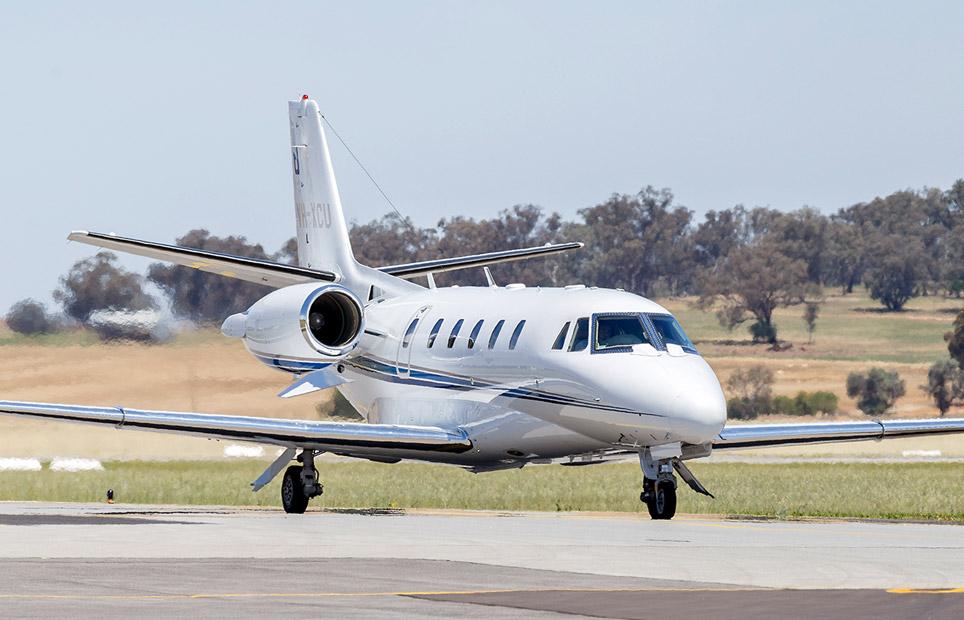
The private jet industry is undergoing a rapid transformation, driven by technological advancements that promise to revolutionize the way we fly. These innovations not only improve the efficiency and sustainability of private aviation but also enhance the luxury and convenience of air travel. As we look toward the future, it’s clear that technology will play a central role in shaping the next generation of private jets, creating a safer, more efficient, and more comfortable experience for passengers. In this article, we’ll explore the latest technological innovations that are set to shape the future of private jets, from eco-friendly propulsion systems to advanced passenger amenities. Let’s dive into the exciting future of private aviation.
Electric and Hybrid Propulsion Systems
One of the most significant technological advancements in the private jet industry is the development of electric and hybrid propulsion systems. As environmental concerns become more pressing, the aviation industry is under increasing pressure to reduce its carbon footprint. Electric and hybrid aircraft offer a promising solution to this challenge, providing a cleaner, more sustainable alternative to traditional jet engines.
Electric propulsion systems are powered by batteries or other forms of clean energy, eliminating the need for jet fuel and significantly reducing carbon emissions. While fully electric private jets are still in the early stages of development, several companies are already working on prototypes and expect to have electric jets in service within the next decade. These aircraft will be ideal for short-haul flights, offering a quieter, smoother ride while also reducing the environmental impact of air travel.
Hybrid propulsion systems, which combine electric engines with traditional jet engines, offer a more practical solution for longer flights. These systems allow private jets to take off and land using electric power, reducing fuel consumption during the most energy-intensive phases of flight. Once in the air, the jet’s conventional engines can take over, providing the necessary power for longer distances. Hybrid jets are expected to play a key role in the future of private aviation, offering a transition toward fully electric flight while still meeting the performance demands of long-haul travel.
The development of electric and hybrid propulsion systems is not only a major step toward reducing the environmental impact of private aviation but also promises to make flying more affordable and accessible. As these technologies mature, we can expect to see a wider range of electric and hybrid private jets enter the market, offering travelers a greener and more cost-effective way to fly.
Sustainable Aviation Fuels (SAFs)
In addition to electric and hybrid propulsion, the aviation industry is also exploring the use of Sustainable Aviation Fuels (SAFs) as a way to reduce the environmental impact of private jets. SAFs are made from renewable resources such as plant-based oils, algae, or waste materials, offering a more sustainable alternative to traditional jet fuel.
SAFs can be used in existing jet engines without requiring significant modifications, making them a practical solution for reducing emissions in the short term. Unlike conventional jet fuel, SAFs have a much lower carbon footprint, helping to mitigate the impact of aviation on climate change. SAFs also have the potential to reduce the need for fossil fuels, making the aviation industry less reliant on non-renewable resources.
While SAFs are still relatively expensive and not widely available, production is increasing rapidly, and more private jet operators are adopting SAFs as a part of their sustainability efforts. Over the next decade, we can expect to see SAFs become a mainstream fuel option for private jets, helping to reduce the environmental impact of aviation while maintaining the high performance and luxury that private jet travelers expect.
Advanced Materials for Lighter and More Efficient Aircraft
The use of advanced materials is another technological innovation that is reshaping the future of private jets. Aircraft manufacturers are increasingly turning to lightweight, durable materials such as carbon fiber and composites to reduce the weight of private jets and improve fuel efficiency.
Carbon fiber, which is already used in some parts of modern aircraft, is known for its high strength-to-weight ratio. This means that private jets made from carbon fiber composites can be both lighter and more durable than those made from traditional metal alloys. The reduced weight leads to improved fuel efficiency, allowing private jets to travel farther on less fuel.
In addition to carbon fiber, new materials such as graphene are also being explored for use in private jet construction. Graphene is an incredibly strong and lightweight material that has the potential to revolutionize the aviation industry. It is also highly conductive, making it ideal for use in aircraft components such as wings, fuselage, and electrical systems. The use of graphene in private jets could lead to even greater fuel efficiency, increased safety, and improved overall performance.
As the demand for more efficient and sustainable aircraft grows, the use of advanced materials will become increasingly important in the design and manufacture of private jets. By reducing weight and improving fuel efficiency, these materials will help make private jets more eco-friendly and cost-effective, while also enhancing the overall passenger experience.
Autonomous and Pilot-Assisted Flight Systems
The future of private aviation is also likely to be shaped by the development of autonomous flight systems. While fully autonomous private jets are still years away, significant progress is being made in developing pilot-assisted systems that use artificial intelligence (AI) and automation to help pilots operate aircraft more efficiently and safely.
Autonomous flight systems are designed to reduce the workload of pilots by automating routine tasks such as navigation, route optimization, and altitude adjustments. These systems use advanced sensors, AI, and machine learning algorithms to monitor flight conditions and make real-time decisions based on the data they collect. The goal is to improve the efficiency of flight operations while also enhancing safety by reducing human error.
In addition to fully autonomous systems, pilot-assisted flight technologies are already being implemented in some private jets. These systems can help pilots with tasks such as autopilot control, collision avoidance, and even weather prediction. By using AI to assist with decision-making, these systems can enhance the safety and efficiency of private jet operations, making flying even more convenient for travelers.
While fully autonomous private jets are still in the development phase, pilot-assisted flight systems are already becoming a reality in the private aviation sector. In the next decade, we can expect to see these technologies become more advanced, leading to even greater levels of safety, efficiency, and convenience for private jet travelers.
Enhanced In-Flight Connectivity and Passenger Experience
As private jet travelers demand more seamless and personalized experiences, advancements in in-flight connectivity and entertainment systems are transforming the way we fly. In the coming years, private jets will offer faster and more reliable internet access, allowing passengers to stay connected throughout their journey.
The deployment of next-generation satellite networks, such as low Earth orbit (LEO) satellites, is set to revolutionize in-flight connectivity. LEO satellites offer faster internet speeds and lower latency compared to traditional geostationary satellites, making them ideal for providing high-speed internet access to private jets. With these new satellite systems, passengers will be able to enjoy seamless streaming, video conferencing, and browsing while in the air, just as they would on the ground.
In addition to enhanced connectivity, private jets are also incorporating more advanced entertainment options. Future private jet cabins will feature immersive entertainment systems with larger screens, high-quality audio, and customizable content. Passengers will be able to enjoy movies, TV shows, music, and even virtual reality (VR) experiences during their flight, making their travel time more enjoyable and productive.
The future of in-flight connectivity and entertainment is about more than just staying connected – it’s about providing a personalized and immersive experience for each passenger. With the integration of AI and big data, private jet operators will be able to offer tailor-made experiences, such as personalized movie recommendations, mood lighting adjustments, and even in-flight catering based on passenger preferences.
Artificial Intelligence and Big Data for Personalization
Artificial intelligence (AI) and big data are also playing a significant role in shaping the future of private aviation. These technologies enable private jet operators to analyze vast amounts of data and offer personalized services to travelers based on their preferences and behaviors.
AI-powered systems can learn from passenger data to provide customized travel experiences, such as recommending destinations, adjusting cabin conditions, or suggesting in-flight activities based on a traveler’s past choices. By using big data to identify trends and patterns, private jet operators can optimize flight schedules, route planning, and even fuel efficiency, improving the overall efficiency of operations.
The use of AI and big data will allow private jet companies to offer a truly personalized service that anticipates the needs of passengers before they even ask. Whether it’s adjusting the cabin temperature to a preferred setting or offering personalized entertainment options, AI and big data will enhance the passenger experience, making private jet travel more enjoyable and seamless.
The Future of Cabin Design and Comfort
As private jets evolve, so too do the designs and amenities that make them so luxurious. The cabins of future private jets will feature advanced technologies that offer greater comfort and convenience for passengers. This includes customizable seating arrangements, smart lighting systems, and enhanced climate control, allowing passengers to create their ideal in-flight environment.
In the coming years, we can expect to see private jet cabins designed with even greater attention to detail, offering fully customizable interiors to suit the unique needs of each traveler. For example, some private jets may feature separate living areas for families, complete with entertainment systems, sleeping pods, and even playrooms for children. These innovations will ensure that private jets remain the summery of luxury, offering a very uniqueed comfort and convenience for all types of travelers.
Conclusion
The future of private jets is bright, with technological innovations set to transform every aspect of the private aviation experience. From electric propulsion systems and sustainable aviation fuels to autonomous flight technologies and enhanced in-flight connectivity, the next decade promises to bring significant advancements that will make private jet travel more efficient, sustainable, and enjoyable than ever before. As these innovations continue to develop, private jets will remain at the forefront of luxury air travel, providing passengers with a seamless, personalized, and eco-friendly flying experience.