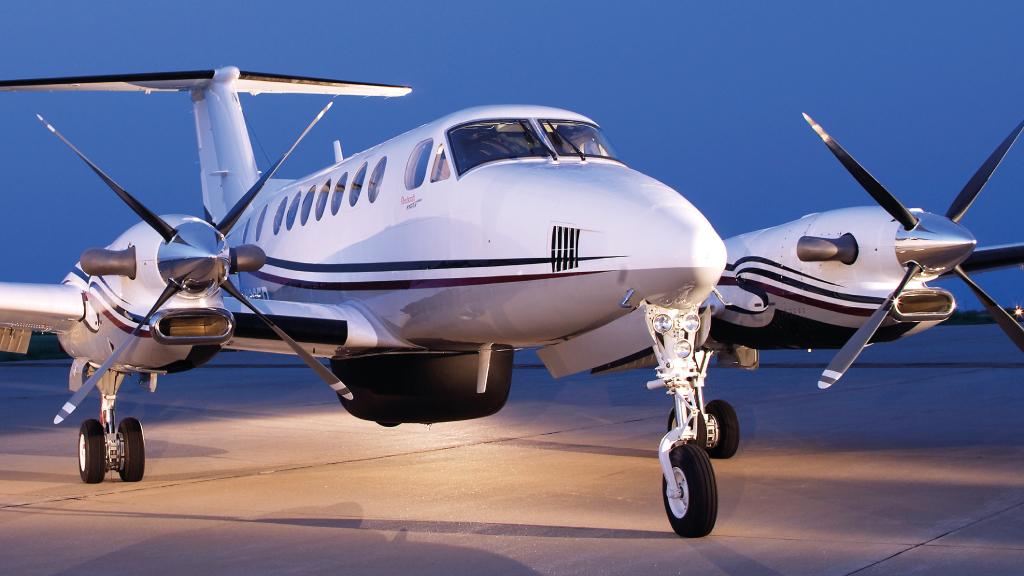
privatejetia private jet maintenance 13
Owning a private jet is a luxury that offers convenience, flexibility, and an elevated lifestyle. However, navigating the tax landscape surrounding private jet ownership can be both complex and costly. Understanding how to legally minimize tax liabilities and maximize potential deductions requires a keen understanding of private jet tax law and the creative strategies available to jet owners.
In this comprehensive guide, we’ll break down the intricacies of private jet taxation, focusing on the key areas of tax benefits, deductions, exemptions, and ownership structures. We will also explore creative legal solutions that owners can employ to optimize their tax positions while ensuring full compliance with the law. By applying these strategies, jet owners can unlock significant financial advantages and manage the high operational costs associated with private aircraft.
- Depreciation: Maximizing Deductions with Section 179 and Bonus Depreciation
Depreciation is one of the most effective ways for private jet owners to reduce their tax liabilities. The IRS allows for accelerated depreciation of business assets, including aircraft, which can provide immediate tax benefits. Two key tax provisions—Section 179 and bonus depreciation—are instrumental in enabling owners to recover the costs of purchasing a private jet.
Section 179 Depreciation
Under Section 179 of the IRS tax code, owners can deduct the full purchase price of a private jet (up to a limit) in the year it is placed into service, provided it is used for business purposes. To qualify, the jet must be used at least 50% for business-related activities, such as transporting employees, clients, or conducting business operations. For example, if you purchase a private jet for $5 million and use it 80% for business purposes, you can potentially deduct up to $4 million in the first year, significantly reducing your taxable income.
Bonus Depreciation
Additionally, bonus depreciation under the Tax Cuts and Jobs Act of 2017 allows private jet owners to deduct 100% of the purchase price in the year the aircraft is placed in service. Unlike Section 179, which has a cap on the amount that can be deducted, bonus depreciation applies to both new and used aircraft, making it highly beneficial for owners of pre-owned jets. This provision can be especially advantageous for those looking to maximize tax benefits immediately after purchase, as it allows for the full depreciation of the jet in the first year.
- Sales Tax Exemptions: Avoiding Additional Costs on Aircraft Purchases
When purchasing a private jet, the sales tax can represent a significant cost. However, many states in the U.S. offer sales tax exemptions or reduced rates for jets used primarily for business purposes. States like Florida, Texas, and Delaware have tax laws that can benefit jet owners by providing exemptions on sales tax, which can range from 4% to 7% of the jet’s purchase price.
Business Use Exemptions
To qualify for these sales tax exemptions, the jet must be used primarily for business purposes. For instance, if the jet is used to transport clients or employees for business meetings, it may be eligible for tax relief. The specifics of these exemptions vary by state, so it’s essential to consult with a tax advisor familiar with the regulations in the state where the aircraft is purchased or where the owner resides.
In some cases, it may also be possible to claim an exemption if the jet is used for international travel or in specific industries like charter services or air ambulance services.
- Operational Cost Deductions: A Legal Way to Lower Your Tax Burden
Another major advantage of owning a private jet is the ability to deduct operational costs associated with the aircraft. These deductions can significantly reduce the overall cost of ownership and make the financial commitment of having a jet more manageable.
Eligible Operational Costs
For private jet owners using the aircraft for business purposes, the following operational costs can generally be deducted:
- Fuel costs: Expenses for fuel used in business travel.
- Insurance: The cost of insurance premiums for the jet and crew.
- Maintenance and repairs: Costs related to the upkeep of the jet to ensure it remains in good working order.
- Crew salaries: The wages paid to pilots, flight attendants, and maintenance staff.
- Hangar fees: Costs associated with storing the jet at an airport or private hangar.
- Training and certifications: Expenses for pilot or crew training necessary for safe and efficient operation.
To qualify for these deductions, it is crucial to maintain accurate records of how the jet is used. If the jet is used for both personal and business purposes, only the business portion of these expenses can be deducted. For example, if the jet is used 60% for business and 40% for personal travel, only 60% of the operational costs are deductible.
- Ownership Structures: Creative Solutions for Tax Optimization
The structure under which you own your private jet can greatly impact your tax benefits and liabilities. Many high-net-worth individuals and corporations choose to own their jets through legal entities such as LLCs (Limited Liability Companies), S corporations, or trusts. These structures offer distinct advantages in terms of tax optimization, liability protection, and flexibility.
Owning Through an LLC or Corporation
By owning the private jet through a business entity, such as an LLC or corporation, owners can more easily allocate the aircraft’s costs and deductions to the business, ensuring that the jet is treated as a business asset. This strategy allows owners to:
- Qualify for business-related deductions like depreciation, operational expenses, and maintenance costs.
- Simplify the process of tracking business and personal use, ensuring compliance with tax laws.
- Take advantage of business use exemptions, including sales tax exemptions on the purchase of the jet.
- Potentially pass the tax benefits to the shareholders or other business partners.
Trusts and Estate Planning
Another common approach for private jet owners is to place the aircraft in a trust. This can provide estate planning benefits by transferring ownership to beneficiaries without triggering estate taxes, while still allowing the owner to retain control and access to the jet. Additionally, trusts can provide flexibility in how the jet is used, as well as potential tax savings for future generations.
- International Taxation: Navigating Cross-Border Challenges
For private jet owners who frequently travel internationally, understanding international tax laws is essential. Depending on the countries where the jet operates, owners may be subject to different tax codes that can impact the overall cost of ownership. For example, VAT (Value Added Tax) may be charged on the purchase of a jet in some European countries, but exemptions are available for aircraft used for international travel.
Tax Treaties and Exemptions
Tax treaties between countries can help reduce the potential for double taxation on cross-border jet ownership. These treaties can impact the sales tax, fuel tax, and other operational expenses incurred during international flights. It’s important for jet owners to consult with international tax advisors to ensure they’re taking full advantage of any treaties that apply to their situation.
In some cases, it may also be possible to claim VAT refunds on jet purchases if the aircraft is used exclusively for international flights. By structuring your travel and ownership appropriately, you can reduce the tax burden associated with international operations.
- Consulting with Experts: Ensuring Legal Compliance and Maximizing Tax Benefits
Given the complexity of private jet taxation and ownership, it’s crucial for owners to seek guidance from experts in both aviation law and taxation. Consulting with a qualified tax advisor who understands the intricacies of private jet ownership can help ensure compliance with the latest tax codes and regulations while also maximizing available deductions and exemptions.
Moreover, an experienced aviation attorney can assist with structuring the ownership of the jet through legal entities like LLCs or trusts, ensuring that all necessary documents are in place to protect the owner’s interests and reduce liabilities.
Conclusion
The legal landscape of private jet taxation is intricate, but with the right strategies, owners can effectively minimize their tax liabilities and make the most of their investment. By utilizing depreciation methods like Section 179 and bonus depreciation, taking advantage of sales tax exemptions, claiming operational cost deductions, and considering creative ownership structures, private jet owners can unlock significant financial benefits.
With the assistance of knowledgeable experts, jet owners can ensure full compliance while maximizing tax savings and enjoying the benefits of private jet ownership without the financial burden. Understanding and navigating these strategies is key to achieving a favorable tax position and making private jet ownership a smart, long-term investment.