PrivateJetia Private Jet Fly 67
Introduction
Owning a private jet is a symbol of luxury, convenience, and status. However, like any major asset, a private jet goes through a lifecycle that involves several key phases: from the initial purchase, throughout its years of service, to its eventual retirement. Each stage of this lifecycle requires careful planning, investment, and management. The journey of a private jet is not just about flying from one destination to another; it’s about maintaining the aircraft, upgrading its features, and eventually making the decision to retire or sell it.
The lifecycle of a private jet is a fascinating process that involves a variety of factors, including purchasing decisions, maintenance schedules, technological advancements, and market demands. This article explores the entire lifecycle of a private jet, examining the essential stages and providing insights into what every jet owner needs to know.
1. The Purchase Process
The first step in the lifecycle of a private jet is the purchase. Buying a private jet is not like purchasing a regular vehicle. It’s a complex, multi-step process that requires careful consideration of several factors, including the type of aircraft, its intended use, budget, and maintenance requirements.
a. Understanding the Needs
The decision to buy a private jet starts with understanding the specific needs of the owner. Key factors such as the number of passengers, the range of the jet, and the frequency of travel will influence the purchase decision. For example, a jet used for long-haul international flights will require a larger and more advanced aircraft than one used for shorter regional trips. Furthermore, owners who plan to use their jet for business purposes might opt for a plane with more luxurious amenities to accommodate clients and executives.
b. Selecting the Right Model
Once the requirements are established, the next step is selecting the right jet model. There are various categories of private jets, from light jets to large-cabin jets and super-midsize jets. Each category comes with its unique advantages and limitations. For instance, light jets are ideal for short-haul flights, while large-cabin jets are suited for long-haul travel and offer more luxurious features.
Key considerations when selecting the model include the aircraft’s range, speed, cabin size, and fuel efficiency. Another consideration is the aircraft’s age and condition. New jets can offer the latest technology and features, while pre-owned jets may provide better value for money if properly maintained.
c. Negotiating the Purchase
After selecting the right model, the next step is negotiating the purchase. This process involves working with an aircraft broker or dealer, who acts as an intermediary between the buyer and the seller. Brokers can help negotiate the best price, ensure all legal and regulatory requirements are met, and assist with financing options. The negotiation process may also involve additional costs, such as maintenance plans, upgrades, and accessories.
d. Financing the Jet
Private jet owners often choose to finance their aircraft through various options, including loans, leasing, or fractional ownership. Financing terms vary depending on the aircraft’s value, the buyer’s credit history, and the type of financing selected. Leasing options may offer flexibility, while outright purchasing gives the owner full control over the jet.
2. Owning and Operating the Jet
Once the private jet has been purchased, the owner enters the next phase of the lifecycle: ownership and operation. Owning a private jet comes with several responsibilities, including maintenance, hiring crew, and ensuring the jet is ready for use at all times.
a. Maintenance and Upkeep
Private jets require regular maintenance to keep them in optimal condition. Regular inspections, service checks, and repairs are essential to ensure the aircraft’s safety, efficiency, and longevity. Maintenance schedules are often dictated by aviation regulations and can vary depending on the jet’s age and usage.
Owners are responsible for ensuring their jet meets all safety standards and complies with regulatory requirements. Routine inspections cover various components of the jet, including the engines, avionics, flight controls, and landing gear. Additionally, owners may need to replace or upgrade certain parts of the aircraft, such as the interior or exterior, to maintain its value.
b. Hiring Crew
Most private jet owners hire a team of professional pilots and crew members to operate the aircraft. Depending on the size of the jet and the flight’s complexity, this crew may include a pilot, co-pilot, flight attendants, and maintenance staff.
Crew members must be highly trained and certified, and they play a critical role in the safe operation of the jet. For owners who use their jets for business purposes or travel with high-profile passengers, hiring skilled and experienced crew members is vital to ensuring a smooth and comfortable flight.
c. Upgrades and Customizations
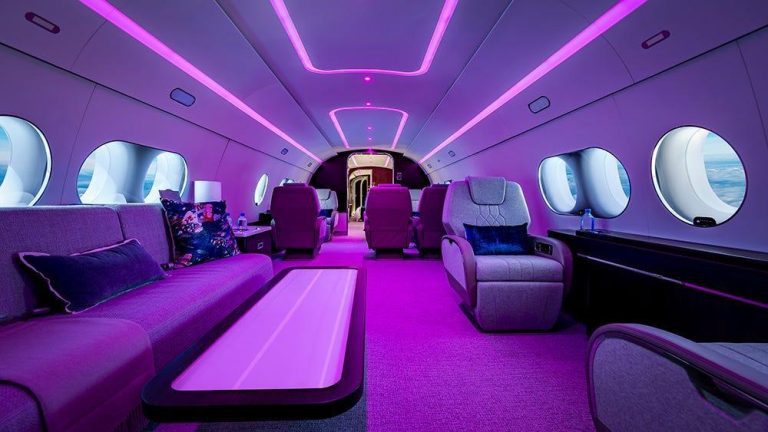
Over time, many private jet owners choose to upgrade their aircraft to meet evolving needs or to enhance comfort and efficiency. These upgrades can include new avionics, improved engines, or enhanced interiors. The interiors of private jets can be customized to meet the owner’s preferences, offering luxurious amenities such as leather seating, state-of-the-art entertainment systems, and gourmet kitchens.
Upgrading the technology on board is also crucial for staying competitive. For example, newer jets may offer more efficient engines, better fuel economy, or advanced communication systems that make long flights more convenient. Some owners may also opt for eco-friendly upgrades to reduce their aircraft’s environmental impact.
3. The Peak Years of the Jet’s Lifecycle
The peak years of a private jet’s lifecycle are typically the first decade of ownership. During this period, the jet operates at its full potential, and maintenance costs are typically lower than in later years. The jet remains a valuable asset, and owners experience the benefits of having an aircraft that meets their travel needs and offers a high level of comfort and luxury.
a. Market Demand and Resale Value
During the peak years, the jet is likely to maintain or increase in value, especially if it is well-maintained and kept up to date with technological advancements. Many owners look to upgrade to a newer model or sell their current jet during this period. The resale value of a private jet can be influenced by various factors, including market demand, the model’s age, and its maintenance history.
b. Maintaining the Asset
Owners who wish to maximize their jet’s resale value focus on maintaining the aircraft in excellent condition. This includes keeping the interior clean and up-to-date, ensuring the aircraft’s systems are functioning properly, and adhering to a strict maintenance schedule. Private jets are expensive assets, and keeping them in good condition is key to protecting their value over time.
4. The Final Years of Ownership
As a private jet ages, its performance and value can decline. While well-maintained jets may still be in excellent condition, older models are often less desirable in the market compared to newer, more advanced aircraft. The final years of ownership are typically marked by increased maintenance costs, as older jets require more frequent repairs and replacements.
a. Deciding to Sell or Retire the Jet
When it comes time to retire the aircraft, owners face the decision of whether to sell or keep the jet. Many owners choose to sell their older jet and purchase a newer model, while others may retire their aircraft and cease operations. The decision depends on several factors, including the cost of maintenance, the current market for used jets, and the owner’s financial situation.
For those who opt to sell, working with a broker or dealer can help ensure the jet is sold for its fair market value. The broker will assist in finding potential buyers, negotiating the sale, and handling the logistics of transferring ownership.
b. Aircraft Retirement
If the jet is no longer suitable for sale or the owner opts to retire it, the aircraft may be decommissioned. This can involve stripping the aircraft of valuable parts, recycling its materials, and disposing of it in a way that meets environmental regulations. Retiring a jet is a complex process that requires careful planning to ensure it is handled responsibly.
5. Conclusion
The lifecycle of a private jet is a journey that spans several years, from the initial purchase to the eventual retirement. Each stage of this lifecycle presents its own set of challenges and opportunities. From selecting the right model and customizing the aircraft to maintaining it and eventually deciding when to retire or sell, owning a private jet requires careful management and a long-term view.
By understanding the entire lifecycle of a private jet, owners can make informed decisions that protect their investment and ensure they get the most out of their aircraft. Whether you are a first-time buyer or a seasoned owner, navigating the lifecycle of a private jet requires attention to detail, foresight, and a commitment to maintaining the aircraft’s value and performance.