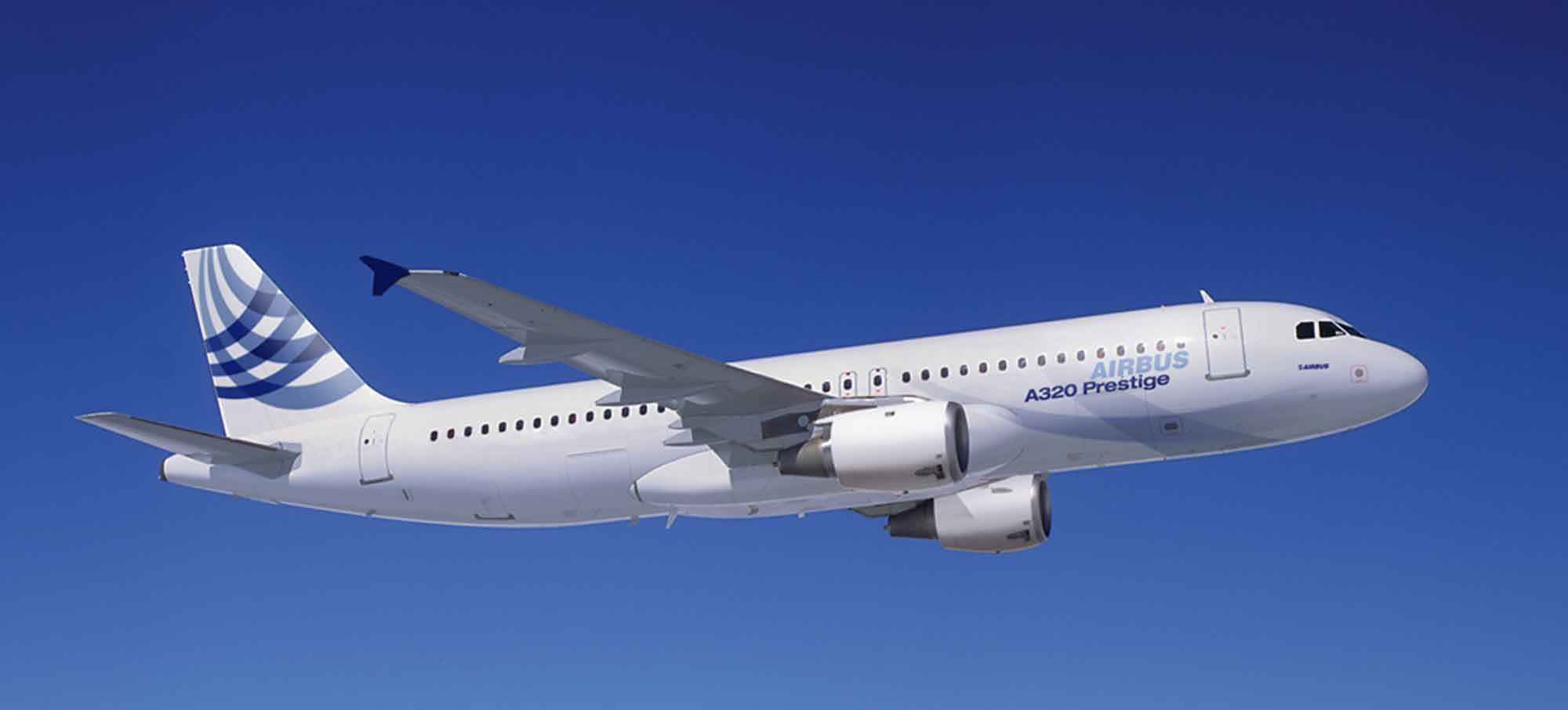
Airbus ACJ320
The Private Jet Buyer’s Handbook: Creative and Essential Tips
Buying a private jet is a major financial and lifestyle decision, often signifying success and providing a significant boost to personal and business productivity. Whether you’re purchasing your first aircraft or upgrading to a larger, more luxurious model, navigating the complexities of private jet ownership requires careful planning, strategy, and insight into industry nuances.
This handbook offers creative strategies and essential tips to help you make a well-informed decision and ensure that your purchase meets both your financial and lifestyle goals. By the time you finish reading, you’ll have a comprehensive understanding of the private jet buying process, from choosing the right model to handling maintenance and operational costs.
1. Know Your True Requirements: Personal vs. Business Use
Before you even begin to explore aircraft models, it’s crucial to understand your primary reasons for buying a private jet. Whether you’re upgrading your travel experience, enhancing business efficiency, or investing in a luxury asset, defining your goals will guide every decision along the way.
- Personal Use: If your primary goal is personal convenience and leisure, think about your preferred travel destinations, the number of passengers you travel with, and the luxury amenities you need. Jets that offer spacious, comfortable cabins, bedrooms, and high-end entertainment systems are ideal for personal use.
- Business Use: For business executives or entrepreneurs, a private jet can help maximize productivity, allowing you to work while in the air. Consider models that feature offices, conference rooms, and superior connectivity. Business jets often prioritize cabin layout and in-flight facilities for meetings and collaborations.
- Occasional vs. Frequent Use: If you’re flying only occasionally, a smaller, more efficient jet may suit your needs, whereas frequent travelers may benefit from larger, more robust aircraft that offer greater range and enhanced comfort.
By identifying your usage scenario, you’ll be able to narrow down options and avoid overspending on features you won’t use frequently.
2. Set a Realistic Budget
It’s easy to get carried away when purchasing a luxury item like a private jet, but sticking to a budget is crucial. Your budget should account for both the initial cost of the jet and the ongoing operational expenses.
- Initial Purchase Cost: Jets can range in price from $3 million for a small light jet to $70 million or more for the largest, most luxurious aircraft. It’s essential to evaluate the full cost of the aircraft, including customization and any added features.
- Operational Costs: Maintenance, fuel, pilot salaries, crew fees, hangar storage, insurance, and more all factor into the annual operating cost of your jet. The annual expenses can be anywhere from $500,000 to over $3 million, depending on the type of aircraft and how frequently it’s used.
- Financing and Leasing: If paying the full price upfront isn’t viable, you may consider financing options such as loans or leasing. Financing typically requires a down payment and involves interest over time, while leasing provides the flexibility of shorter-term commitments.
- Resale Value: A well-maintained jet can recoup a large portion of its original value when you decide to sell it. Work with an experienced consultant to select a model with strong resale potential, ensuring that your investment remains sound in the long term.
Having a clear budget ensures that you don’t overextend financially and helps you choose an aircraft that’s within your means, both now and in the future.
3. New vs. Pre-Owned: Weighing the Options
One of the most significant decisions when buying a private jet is whether to purchase a new or pre-owned aircraft. Both choices offer different benefits and considerations.
- New Jets: Purchasing a new jet means getting the latest in cutting-edge technology and customization. You have the option to design the interior layout, choose advanced avionics, and ensure the aircraft is in pristine condition. However, new jets depreciate quickly, often losing as much as 30% of their value in the first few years.
- Pre-Owned Jets: Pre-owned jets can provide great value, often with little compromise on quality. Many jets are kept in excellent condition with comprehensive maintenance records and are still relatively new in terms of technology. The key to purchasing a pre-owned jet is ensuring it has been well-maintained and inspected thoroughly before purchase. Working with an expert in pre-owned aircraft is critical to avoid any hidden defects or maintenance issues.
Choosing between a new and pre-owned jet comes down to balancing your budget, preference for technology, and long-term financial goals. If you’re seeking value, a pre-owned jet can offer significant savings without sacrificing too much luxury or performance.
4. Hire the Right Aviation Consultant or Broker
Navigating the private jet market can be overwhelming, but hiring an aviation consultant or broker will make the process smoother and more efficient. These professionals can save you time and money, while ensuring that you get the best deal possible.
- Aviation Consultant: A consultant is a trusted expert who understands your unique needs and will help you identify the perfect jet, negotiate terms, and provide an objective perspective on pricing. Consultants offer a comprehensive view of the market and can uncover off-market deals that you might not have found on your own.
- Brokers: Jet brokers connect buyers and sellers and facilitate the transaction process. Brokers typically have access to a wide array of jets, both new and pre-owned, and can help negotiate pricing, maintenance terms, and financing.
- Legal and Financial Experts: Consult with legal and tax professionals who specialize in aviation to ensure that you’re structuring the deal correctly. They can also help you navigate tax deductions related to the purchase and operation of the jet.
By working with an experienced team of professionals, you’ll gain access to exclusive deals and ensure that every aspect of your purchase is handled with expertise.
5. Customization: Personalizing Your Jet
Once you’ve chosen your jet, the fun part begins, customizing it to suit your tastes and needs. Modern private jets offer endless possibilities when it comes to design and functionality.
- Interior Design: Luxury jets come with options for opulent interiors, including private bedrooms, bathrooms, lounges, and offices. You can select materials like leather, wood, and marble, and design a layout that best suits your preferences, whether you want a quiet sanctuary or a vibrant space for entertaining guests.
- Entertainment and Technology: Stay connected and entertained with high-speed Wi-Fi, satellite communications, premium sound systems, and flat-screen TVs. Many jets also offer cutting-edge security systems to keep you safe while in the air.
- Performance Upgrades: Depending on your travel needs, you can opt for engine upgrades, enhanced avionics, or fuel-efficient systems to maximize performance. These upgrades can improve range, reduce fuel consumption, and increase the longevity of your aircraft.
Customizing your jet ensures it’s a reflection of your unique tastes and meets your operational needs, from business meetings to family vacations.
6. Consider Fractional Ownership or Leasing
Full ownership isn’t the only option when it comes to private jets. If you fly only occasionally or prefer the flexibility of sharing an aircraft, fractional ownership or leasing may be a more suitable option.
- Fractional Ownership: This involves purchasing a share in a jet, which gives you a set number of hours per year to use the aircraft. You’ll share the jet with other owners, reducing costs while still gaining access to a high-end aircraft. Fractional ownership is ideal for people who need a jet on-demand but don’t want the full responsibility of ownership.
- Leasing: Leasing allows you to use a jet for a set period while making regular payments. There are two types of leases: operating leases (which don’t result in ownership) and finance leases (which allow you to purchase the jet at the end of the lease term). Leasing offers flexibility without the long-term commitment of full ownership.
Both options allow you to enjoy the benefits of private aviation without the significant financial burden of full ownership, making them ideal for those who require occasional use of a jet.
7. Conduct Thorough Inspections
Whether you’re buying a new or pre-owned jet, it’s essential to conduct a thorough inspection before finalizing the deal. For pre-owned jets, this is especially important to ensure you’re not inheriting any maintenance or safety issues.
- Pre-Purchase Inspection: Hire a certified aviation inspector to assess the jet’s overall condition, including the engines, avionics, airframe, and interior. The inspector will also verify the aircraft’s maintenance history and identify any upcoming maintenance needs.
- Warranty and Service Contracts: If you’re purchasing a new jet, ensure that it comes with a robust warranty. If you’re buying a pre-owned aircraft, check whether any warranty remains and whether it’s transferable.
A thorough inspection minimizes risk and ensures you’re getting the best value for your money.
8. Plan for Ongoing Maintenance
Once you’ve purchased your jet, ongoing maintenance is crucial to ensure that it remains in excellent condition and safe for flying. Regular inspections, engine checks, and other maintenance tasks are necessary to keep the aircraft in top shape.
- Scheduled Maintenance: Private jets require regular inspections, which vary depending on the manufacturer and model. Make sure that your jet undergoes these inspections on time to avoid costly repairs down the line.
- Crew Management: Many buyers hire a management company to handle everything from staffing to scheduling, allowing you to focus on flying without worrying about logistics.
Investing in proper maintenance ensures that your jet is always ready to fly and retains its value over time.
Conclusion
The private jet buying process involves several key steps, each requiring careful consideration and expert advice. By defining your needs, setting a budget, engaging the right professionals, customizing your jet, and planning for ongoing maintenance, you’ll ensure that your purchase is a wise investment that enhances your lifestyle and meets your travel needs. Whether you’re a first-time buyer or upgrading to a new aircraft, following these creative and essential tips will make your private jet journey an exciting and rewarding experience.


