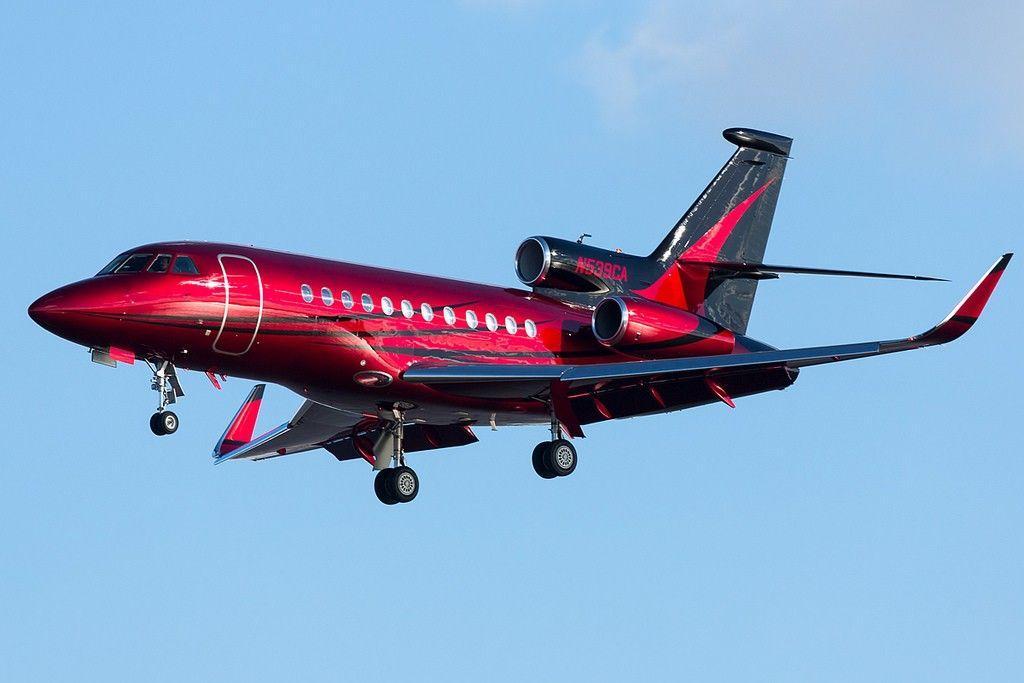
Private jet travel is widely considered the most luxurious and convenient form of transportation available today. While the allure of comfort, privacy, and flexibility draws many to charter private jets, one of the most important factors to consider when flying privately is safety. Safety in private aviation is not only paramount but also strictly regulated and meticulously managed to protect passengers at every stage of the journey. Private jet companies implement a range of rigorous safety measures designed to ensure that every flight is as secure as possible.
These safety measures go beyond the basic standards required for commercial airliners. They encompass a variety of protocols related to aircraft maintenance, flight crew training, onboard technologies, and emergency preparedness, all working in tandem to provide a secure flying experience. In this article, we will delve into the various safety measures that private jet companies follow, highlighting why private jets are one of the safest ways to travel.
- Strict Regulatory Compliance and Oversight
Private jet companies operate within the framework of stringent regulatory standards designed to ensure the highest levels of safety. These regulations are enforced by national and international aviation authorities, such as the Federal Aviation Administration (FAA) in the United States and the European Union Aviation Safety Agency (EASA). These organizations establish and monitor guidelines for aircraft operation, maintenance, pilot qualifications, and flight safety.
- Regulatory Inspections: Private jet operators are required to undergo regular inspections conducted by aviation authorities to ensure compliance with safety standards. These inspections cover a wide range of safety aspects, including aircraft condition, operational procedures, crew qualifications, and the overall maintenance of the fleet. Any discrepancies or violations detected during these inspections are promptly addressed, ensuring that the operator meets the highest safety standards.
- Accredited Safety Audits: In addition to regulatory inspections, many private jet companies undergo third-party safety audits. These audits are conducted by independent organizations, such as the International Standard for Business Aircraft Operations (IS-BAO), which assess an operator’s safety management systems, operational procedures, and overall safety culture. Third-party audits help operators identify potential safety risks and take corrective actions to address them, further enhancing safety.
By adhering to these strict regulatory requirements, private jet companies ensure that their operations meet the highest safety standards, offering passengers a secure and reliable flying experience.
- Expert Pilot Training and Qualifications
The training and qualifications of pilots are critical components of private jet safety. Unlike commercial airline pilots, private jet pilots are often responsible for operating aircraft of various sizes and types, each with unique systems and performance characteristics. As a result, private jet pilots undergo extensive training to ensure they can safely manage the aircraft in all conditions.
- Comprehensive Pilot Training: Private jet pilots must undergo rigorous training to obtain an Airline Transport Pilot (ATP) license, which is the highest level of certification available in aviation. In addition to the ATP license, private jet pilots must obtain type ratings for each specific aircraft they fly. A type rating involves specialized training on the particular model of the aircraft, ensuring that the pilot is familiar with its systems, performance capabilities, and emergency procedures.
- Ongoing Training and Recertification: To maintain their qualifications, private jet pilots undergo continuous training. This includes recurrent safety training, which covers areas such as emergency response, flight path management, and advanced avionics systems. Pilots are also required to complete regular proficiency checks and recertification processes to ensure they remain up-to-date on the latest aviation standards and technologies.
- Emergency Preparedness: In addition to standard training, private jet pilots are extensively trained in emergency procedures, including how to handle medical emergencies, adverse weather, and mechanical failures. They practice emergency scenarios in simulators, ensuring that they are well-prepared to respond to any situation that may arise during flight.
The high level of expertise and continuous training that private jet pilots undergo ensures that they are ready to handle any situation, providing passengers with a safe and secure flight experience.
- Advanced Aircraft Safety Technologies
Private jet companies equip their aircraft with the latest safety technologies to enhance flight security. These technologies are designed to detect potential risks, assist pilots in decision-making, and reduce the likelihood of accidents or incidents. Some of the advanced technologies found on modern private jets include:
- Traffic Collision Avoidance System (TCAS): The TCAS system monitors the airspace around the aircraft and alerts the pilot to nearby planes that could pose a collision risk. In the event of a potential collision, TCAS issues a warning and provides guidance on how to safely avoid the other aircraft. This technology is particularly important in crowded airspace and helps to prevent mid-air collisions.
- Enhanced Ground Proximity Warning System (EGPWS): The EGPWS uses data from the aircraft’s altimeter, GPS, and other sensors to monitor the plane’s proximity to the ground. If the system detects that the aircraft is getting too close to the terrain, it triggers an audible warning to alert the pilot. This system is especially critical when flying in mountainous areas or regions with limited visibility.
- Weather Radar Systems: Modern private jets are equipped with advanced weather radar systems that allow pilots to detect and avoid hazardous weather conditions, such as thunderstorms, turbulence, and severe storms. These radar systems provide real-time data on the weather conditions ahead, helping pilots navigate around dangerous areas and ensuring that passengers experience a smoother flight.
- Fly-By-Wire Systems: Some private jets are equipped with fly-by-wire systems, which use electronic controls to manage the aircraft’s flight surfaces. These systems offer enhanced stability, allowing the aircraft to respond more quickly and precisely to pilot inputs. Fly-by-wire technology helps reduce the risk of human error and improves overall flight safety.
The integration of these advanced technologies significantly enhances the safety of private jet flights, providing pilots with the tools they need to detect and mitigate potential risks.
- Rigorous Aircraft Maintenance and Inspections
Ensuring the safety of passengers is not only about having skilled pilots and advanced technology; it also requires maintaining the aircraft in top condition. Private jet companies adhere to strict maintenance schedules to ensure that their fleet is always in optimal operating condition.
- Regular Inspections: Private jets undergo a series of routine inspections to ensure that all systems and components are functioning properly. These inspections are performed at regular intervals and cover everything from the aircraft’s engines and avionics to its landing gear and emergency equipment. By following a strict maintenance schedule, private jet companies can detect potential issues before they become major problems.
- Pre-Flight Checks: Before every flight, a comprehensive pre-flight inspection is carried out by qualified aviation maintenance technicians (AMTs). This inspection involves checking the aircraft’s exterior, interior, and systems to ensure that everything is in working order. The pilot also performs a final walk-around to ensure that the aircraft is free from any defects or issues that could compromise safety.
- Scheduled Overhauls: Private jets are also subject to more extensive inspections, known as overhauls, at regular intervals. These overhauls involve a detailed examination of the aircraft’s engines, airframe, and other critical systems to ensure that they meet safety and performance standards. Overhauls are often performed every few years or after a certain number of flight hours, depending on the aircraft manufacturer’s recommendations.
By adhering to rigorous maintenance schedules and conducting thorough inspections, private jet companies ensure that their aircraft remain in peak condition, reducing the risk of mechanical issues during flight.
- Personalized In-Flight Safety Protocols
One of the unique advantages of private jet travel is the personalized care and attention provided to passengers. This extends to safety protocols, as the smaller passenger loads on private jets allow for more customized safety management.
- Pre-Flight Safety Briefings: Before every flight, passengers are provided with a personalized safety briefing by the flight attendants or pilots. This briefing covers the location of emergency exits, how to use safety equipment such as oxygen masks and life vests, and any other relevant safety information specific to the aircraft they are flying in. The individualized briefing ensures that passengers are fully aware of the safety procedures before takeoff.
- Flight Attendant Safety Training: Private jet flight attendants are highly trained professionals who are not only skilled in providing exceptional service but also in managing safety and emergency procedures. Flight attendants undergo rigorous training in first aid, CPR, evacuation procedures, and emergency medical assistance. Their presence ensures that passengers are cared for in the event of an emergency, with immediate access to assistance if needed.
- Passenger Assistance: Due to the more intimate setting of private jet flights, passengers can receive customized assistance in terms of their specific safety needs. For example, if a passenger has a medical condition, the flight attendants can ensure that they have the necessary equipment or arrangements for in-flight care. Similarly, if there are children on board, the crew can make arrangements to ensure their safety during the flight.
The ability to provide personalized in-flight safety protocols further enhances the overall security of private jet travel, giving passengers peace of mind knowing that their needs will be carefully managed.
- Emergency Response Preparedness
While the occurrence of in-flight emergencies is rare, private jet operators are fully prepared to handle a wide range of potential emergencies. From medical issues to mechanical failures, the flight crew is trained to manage emergency situations quickly and efficiently.
- Medical Emergencies: Flight attendants are trained to handle medical emergencies, from administering first aid to coordinating with ground-based medical personnel. In the event of a serious medical emergency, private jet operators can arrange for an emergency landing at the nearest suitable airport, ensuring that the passenger receives prompt medical attention.
- Diversions and Emergency Landings: In the event of an aircraft malfunction or unfavorable weather conditions, pilots are trained to make emergency landings. Private jet pilots can assess the situation and determine the best course of action, including diverting to an alternate airport if necessary. They are also trained to handle various emergency scenarios, including engine failure, cabin depressurization, and other critical situations.
- Evacuation Procedures: In extreme cases, the flight crew is prepared to evacuate passengers from the aircraft. Private jet flight attendants are trained in evacuation procedures, ensuring that passengers can exit the aircraft quickly and safely in the event of an emergency. These procedures are practiced regularly to ensure that all crew members are familiar with the necessary steps in the event of a crisis.
The preparedness of private jet crews to handle emergencies ensures that passengers are always in safe hands, even in the unlikely event of an emergency.
Conclusion
Private jet companies implement a wide range of rigorous safety measures to ensure that their passengers are secure throughout their flight. From stringent regulatory compliance and expert pilot training to advanced safety technologies, comprehensive maintenance, and personalized safety protocols, private jet operators go above and beyond to provide a safe and secure flying experience. With their commitment to passenger safety, private jets offer one of the most secure modes of air travel available today. Whether you are flying for business or leisure, you can rest assured that every aspect of your private jet journey has been carefully designed to prioritize your safety.