The Evolution of Aircraft Design
Aircraft design has always been a complex and iterative process, requiring teams of engineers, designers, and technicians to collaborate in creating an aircraft that is both safe and efficient. Traditionally, private jets were designed using conventional methods, with engineers relying on their expertise, knowledge of materials, and wind-tunnel testing to create the perfect flying machine.
However, as technology has advanced, the process has become more data-driven, with computational design tools playing a larger role in optimizing the performance of an aircraft. The introduction of AI into this equation marks the next leap forward in aircraft design, one where algorithms can create new and innovative designs that push the boundaries of what is possible.
How AI is Shaping the Future of Private Jet Design
AI’s role in the design of private jets can be broken down into several key areas, each contributing to the creation of smarter, more efficient, and more luxurious aircraft. Below are some of the ways AI is changing the landscape of private jet design:
- Generative Design: AI-Driven Creativity
Generative design is a groundbreaking process in which AI algorithms generate multiple design alternatives based on specific parameters. Rather than relying solely on human intuition and expertise, AI uses vast amounts of data to create innovative solutions that meet various performance, safety, and aesthetic requirements.
In the context of private jets, generative design can be used to optimize everything from the airframe to the interior layout, creating a bespoke aircraft that is perfectly suited to its owner’s needs. AI can evaluate thousands of potential design variations, testing for factors like aerodynamics, weight, and fuel efficiency. The result is a jet that is not only high-performing but also uniquely customized to the specifications of the owner.
- Enhanced Aerodynamics and Efficiency
One of the primary goals in aircraft design is to improve aerodynamics to reduce drag and fuel consumption, which are critical factors in private jet performance. AI can accelerate this process by using machine learning algorithms to simulate and optimize aerodynamic properties, often finding solutions that human designers may overlook.
AI can analyze vast amounts of wind-tunnel data, CFD simulations, and flight data to determine the most efficient design for a private jet. For example, AI can optimize the wing shape, engine placement, and body contours to achieve better fuel efficiency and range while maintaining a high level of comfort. This means private jet owners can expect longer flight times, less fuel consumption, and a lower environmental impact, all thanks to AI’s ability to fine-tune designs at an unprecedented scale.
- Advanced Materials Selection
The materials used in aircraft construction play a pivotal role in performance, safety, and weight. AI can assist designers in selecting the optimal materials for each component of the jet by analyzing thousands of combinations and considering factors like strength, durability, and weight. For example, AI can suggest the use of lightweight carbon composites or advanced alloys that are stronger than traditional materials, ensuring that the aircraft is both light and sturdy.
This AI-driven material selection not only improves the performance of the aircraft but also helps reduce costs and environmental impact by selecting materials that are sustainable and easier to produce.
- Interior Design: Personalization at its Best
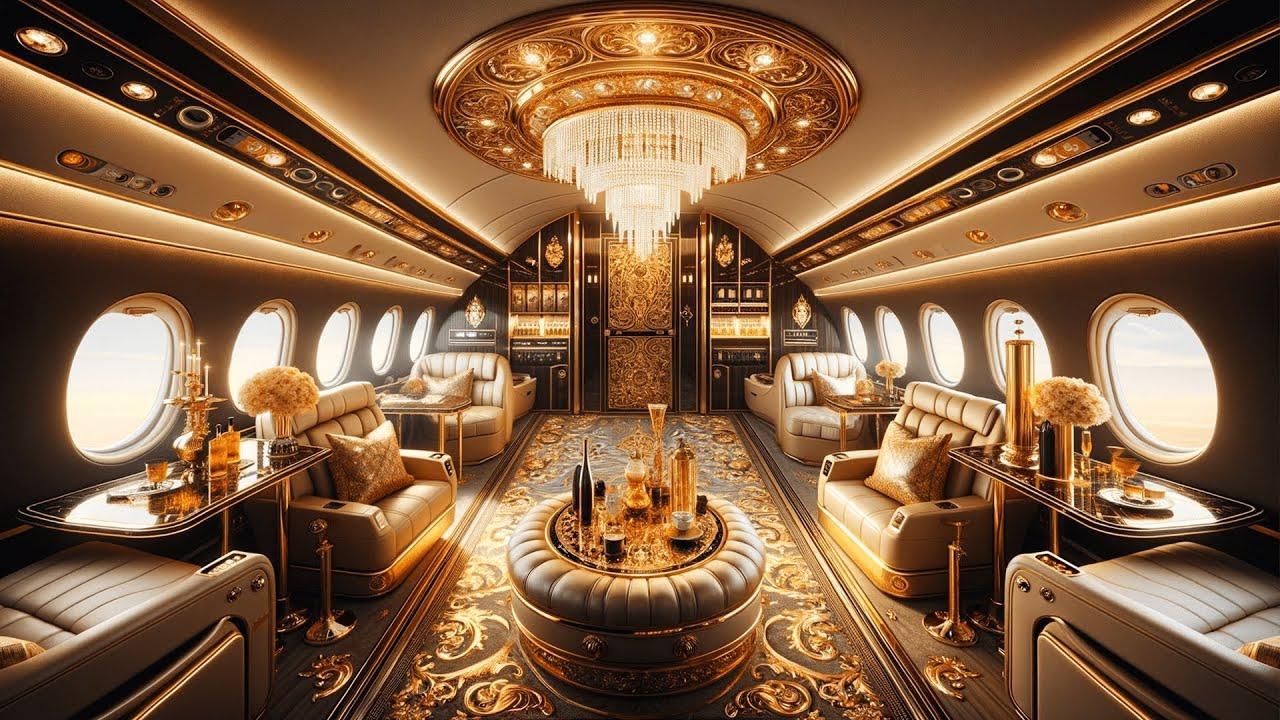
One of the most exciting aspects of AI in private jet design is its ability to transform the interior experience for passengers. Traditionally, the interior layout of a private jet has been designed based on the owner’s preferences, with interior designers offering customizations to match the tastes of the individual.
With AI, however, interior designs can be optimized for comfort, aesthetics, and functionality based on data-driven insights into the passenger’s behavior and preferences. AI-powered design tools can assess how passengers use the space and suggest configurations that maximize comfort and efficiency. Whether it’s adjusting seat positions, offering personalized entertainment options, or selecting the ideal materials for upholstery, AI ensures that every detail is customized to create a more luxurious and enjoyable experience.
Furthermore, AI can take into account things like lighting and temperature preferences, adjusting the cabin environment to ensure maximum comfort. For example, the jet’s interior could automatically change lighting based on the time of day or mood, ensuring that passengers always feel relaxed, whether they are preparing for a meeting or unwinding after a long flight.
- Predictive Maintenance and Safety
AI doesn’t just play a role in the design process, it also contributes to the long-term operation of the aircraft. Predictive maintenance is one of the most valuable applications of AI in aviation, where machine learning algorithms continuously monitor aircraft systems to detect any anomalies before they turn into significant issues.
Through constant data collection from sensors embedded in the jet, AI can track the health of vital components, such as engines, avionics, and landing gear. By predicting when certain parts are likely to wear out or need servicing, AI ensures that maintenance is carried out proactively, reducing the likelihood of in-flight disruptions or costly repairs.
Moreover, AI can enhance safety by analyzing flight data to predict potential hazards and improve the decision-making process for pilots and ground crews. This predictive capability increases safety and ensures that private jets remain in top operational condition throughout their lifespan.
- AI-Driven Flight Simulations and Testing
Before any private jet takes to the skies, it undergoes rigorous testing and simulations to ensure it meets safety standards and performs well under various conditions. Traditionally, these tests involved complex simulations run by human engineers, but AI is changing the game by running advanced flight simulations that are faster, more accurate, and capable of handling more complex scenarios.
AI-driven simulations can mimic a wide variety of conditions, from turbulent weather to emergency landings, helping engineers optimize the aircraft’s handling characteristics and safety features. By using real-time data from test flights and computer-generated models, AI can quickly identify weaknesses in the aircraft’s design and suggest improvements, ensuring that the final product is as safe and reliable as possible.
- Cost Efficiency and Production Time
One of the key advantages of using AI in private jet design is its ability to reduce the time and cost involved in creating a new aircraft. AI can optimize the design process by suggesting cost-effective alternatives for materials, reducing the need for physical prototyping, and speeding up the overall design process. This allows private jet manufacturers to bring new models to market faster, ultimately lowering costs for consumers and increasing accessibility to luxury aviation.
By automating certain aspects of the design and production process, AI can also improve the efficiency of manufacturing, ensuring that private jets are built with a high degree of precision and consistency.
The Future of AI-Designed Private Jets
The rise of AI-designed private jets is just the beginning. As technology continues to evolve, the role of AI in aircraft design and manufacturing will only grow. We can expect to see even more customized, efficient, and luxurious private jets in the coming years, with AI leading the charge in creating aircraft that are not only technologically advanced but also customized to the specific needs and desires of their owners.
From aerodynamics to interior design and safety features, AI is making private jet ownership more efficient, luxurious, and personalized than ever before. In the future, private jets may be able to design themselves, adapting to emerging trends and changing passenger needs. The machine-created aircraft of tomorrow are poised to revolutionize the aviation industry, offering unprecedented levels of comfort, safety, and performance.
Conclusion
The rise of AI-designed private jets marks a new era in aviation, one where machines collaborate with human designers to create aircraft that are smarter, more efficient, and more luxurious than ever before. With advancements in generative design, predictive maintenance, and personalized interiors, AI is not just improving the way private jets are built; it is transforming the entire flying experience. As AI continues to evolve, the private jet industry will become more innovative, sustainable, and customized to the needs of the next generation of elite travelers.