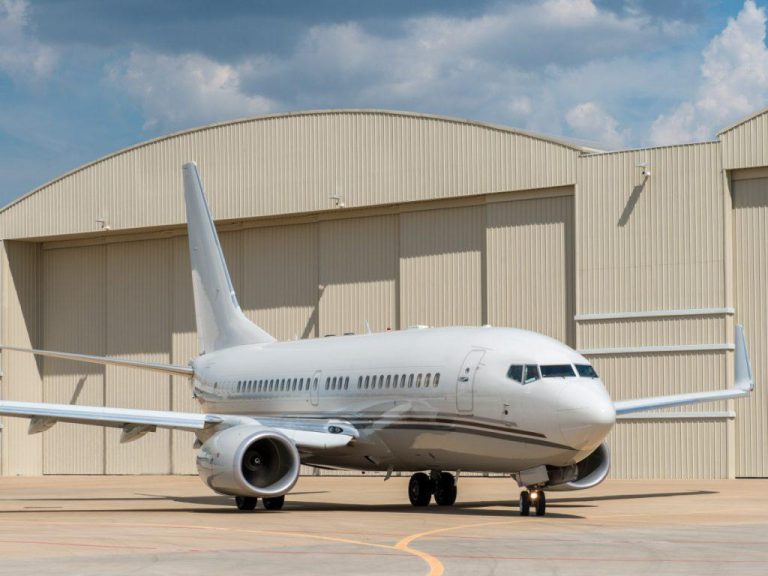
PrivateJetia Private Jet Fly 1
Nano-drones, as the name suggests, are incredibly small and lightweight aerial devices that can perform tasks usually handled by human inspectors or larger drones. With the development of ultra-compact and highly efficient drones, it is now possible to inspect even the most intricate and hard-to-reach parts of a private jet. Let’s take a closer look at the potential role of nano-drones in private jet inspections and how they could shape the future of aircraft maintenance.
- Precision and Detail-Oriented Inspections
One of the most significant advantages of nano-drones is their ability to reach areas of a private jet that are typically difficult or dangerous for human inspectors to access. The small size of these drones allows them to navigate through tight spaces, such as engine compartments, fuselage joints, and areas near wings and tail sections. Their ability to hover in place and provide detailed real-time video and imagery means that inspections can be performed with a high level of precision.
These drones are equipped with high-definition cameras and sensors capable of capturing minute details, such as cracks, corrosion, or damage to critical components. Nano-drones can even be equipped with specialized tools, such as thermal imaging sensors or ultrasound equipment, to detect hidden structural weaknesses that would be difficult to identify through visual inspection alone.
By using nano-drones, aviation technicians can perform more thorough inspections and detect problems early before they develop into costly or dangerous issues. This will lead to improved safety and reliability, which is particularly important in the private jet industry, where clients expect the highest levels of performance and maintenance.
- Increased Efficiency and Reduced Downtime
Traditional inspections of private jets can be time-consuming and often require the aircraft to be grounded for extended periods, leading to significant downtime. Nano-drones, on the other hand, can perform inspections much faster, allowing technicians to quickly identify issues and resolve them with minimal disruption to flight schedules.
These drones can work autonomously or under the supervision of a trained technician, reducing the need for extensive human intervention. As a result, private jets can be inspected and maintained more frequently, which in turn enhances their overall reliability and reduces the likelihood of mechanical failures during flight. The increased efficiency of nano-drones will also lower maintenance costs, as they can complete inspections more quickly and with fewer resources.
In addition, nano-drones can be used to inspect jets while they are in service. Unlike traditional inspections, which typically require the aircraft to be grounded or placed in a maintenance hangar, nano-drones can be deployed while the jet is on the runway or even in the air, performing continuous monitoring without interrupting operations. This real-time monitoring capability will help airlines and private jet owners ensure that their jets are in optimal condition at all times.
- Enhanced Safety and Risk Mitigation
One of the key challenges in private jet inspections is ensuring the safety of both the aircraft and the personnel involved. Inspecting certain parts of the jet, such as the engines or wings, can involve risks, particularly when dealing with heights or potentially hazardous conditions. Nano-drones offer a solution by eliminating the need for human inspectors to physically access these areas, reducing the risk of accidents or injuries.
For example, inspecting the engines of a private jet often requires workers to climb scaffolding or use ladders to get a clear view. This can be time-consuming, physically demanding, and dangerous, especially when working with high-tech, expensive aircraft. Nano-drones, with their ability to fly into confined spaces and capture high-quality imagery, eliminate this danger, allowing for a safer, more efficient inspection process.
Furthermore, nano-drones can be programmed to follow a predefined inspection route, ensuring that every critical component of the aircraft is thoroughly examined. This reduces the likelihood of human error and ensures that no vital area is overlooked.
- Cost-Effectiveness and Scalability
In addition to the safety and efficiency benefits, nano-drones are also more cost-effective than traditional inspection methods. While the initial investment in drone technology may be high, the long-term savings are significant. By reducing the need for human labor, maintenance downtime, and the cost of specialized equipment, nano-drones can help private jet operators and maintenance companies save money in the long run.
Moreover, nano-drones can be used across a fleet of aircraft, providing a scalable solution for operators with multiple private jets. Whether a company owns a single jet or a fleet of dozens, nano-drones can be easily deployed for inspections without the need to mobilize large teams of technicians. The ability to perform routine inspections more frequently will also improve the overall longevity and performance of the aircraft, leading to further cost savings over time.
- Real-Time Data and Predictive Maintenance
Another key feature of nano-drones is their ability to collect and transmit real-time data to maintenance teams, which can then be analyzed to predict potential issues before they become serious problems. This predictive maintenance capability is made possible by the combination of advanced sensors, AI-powered data analysis, and machine learning algorithms.
By continuously monitoring the condition of critical components, nano-drones can detect early signs of wear and tear, such as temperature fluctuations, vibration patterns, or unusual sounds. This data can be used to predict when a component might fail, allowing technicians to replace parts or perform maintenance before a breakdown occurs. Predictive maintenance reduces the need for unscheduled repairs, extends the lifespan of the aircraft, and improves operational efficiency.
With the integration of AI, nano-drones can also suggest specific maintenance actions based on the data they gather, helping aviation teams prioritize repairs and manage resources more effectively.
- Seamless Integration with Existing Systems
Nano-drones can be seamlessly integrated into existing maintenance workflows and systems. Since they are small, lightweight, and easily deployable, they do not require significant modifications to current aircraft maintenance processes. Technicians can operate the drones using intuitive software interfaces, and the data collected by the drones can be incorporated into digital maintenance logs or maintenance management systems.
This integration will enable private jet owners and operators to adopt drone technology without disrupting their existing procedures. The use of nano-drones will also be compatible with other emerging technologies in aviation, such as AI-based flight monitoring systems and smart maintenance platforms.
Conclusion
Nano-drones are set to play a pivotal role in the future of private jet inspections, offering a range of benefits from enhanced safety and efficiency to reduced costs and predictive maintenance. By enabling more precise and thorough inspections, these miniature drones will help ensure that private jets remain in top condition, ultimately enhancing the safety, reliability, and performance of aircraft. As the technology continues to evolve, it is likely that nano-drones will become an indispensable tool for maintaining private jets, providing an innovative solution to the growing demand for high-performance, low-maintenance air travel.