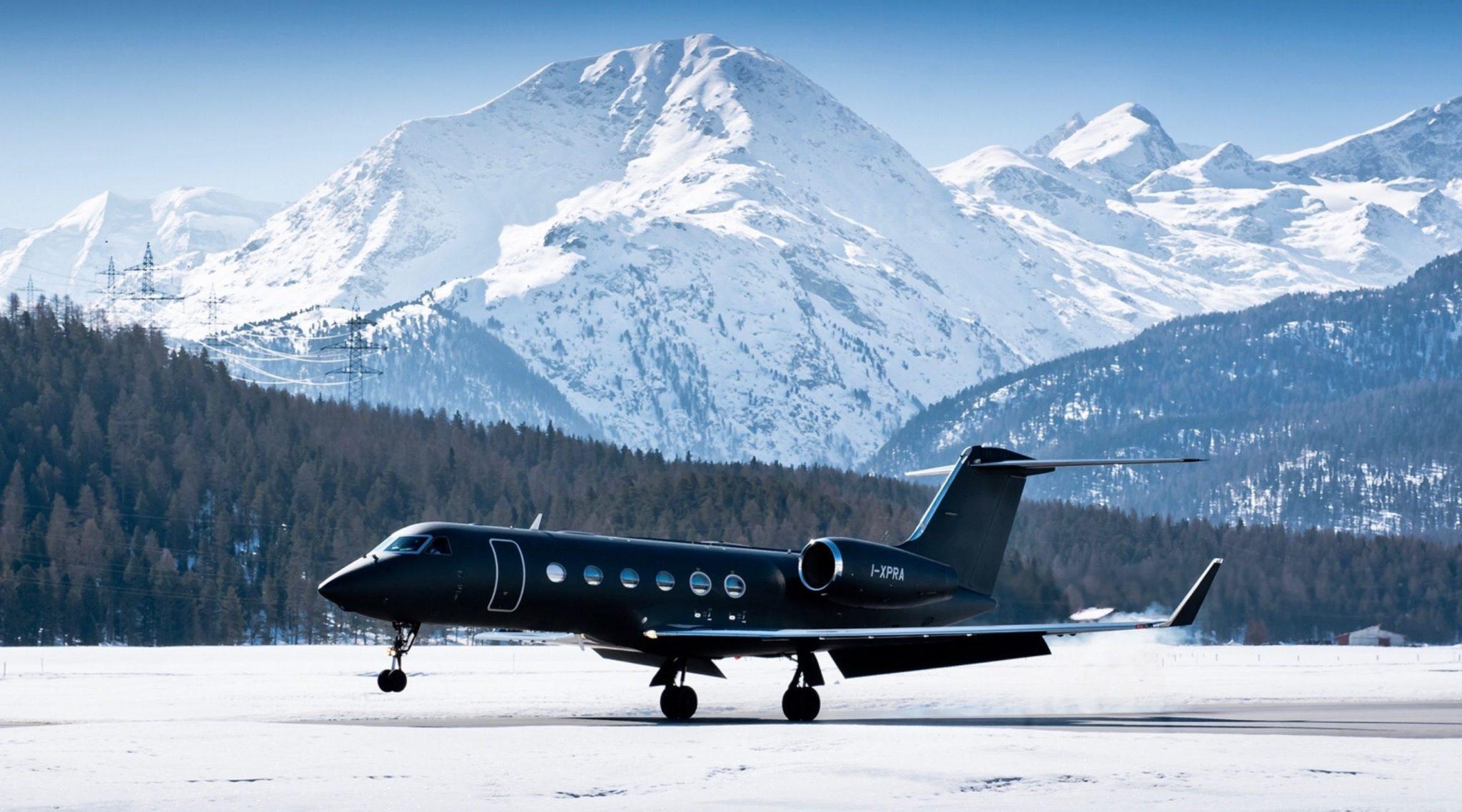
In an era where security is a top concern for travelers, private jet owners and operators have increasingly turned to advanced surveillance and monitoring technologies to ensure the safety of their aircraft, passengers, and crew. Private jet travel offers the luxury of personalized itineraries, flexibility, and speed, but it also comes with the responsibility of ensuring safety at all times. Whether for business, leisure, or emergency travel, private jet passengers expect the highest level of security possible.
Surveillance and monitoring systems are integral in maintaining this level of safety and security. They play a crucial role in preventing unauthorized access, detecting potential threats, tracking the aircraft’s real-time movements, and ensuring that the passengers and crew are safe throughout the flight. This article delves into the various aspects of surveillance and monitoring in private jet security and how these technologies are continuously evolving to meet the demands of an ever-changing world.
1. Advanced Surveillance Systems for Private Jets
Surveillance systems are designed to track and monitor various aspects of an aircraft’s operation, ensuring that it is secure from both external and internal threats. These systems include satellite monitoring, onboard cameras, and radar systems, all of which work together to provide comprehensive security coverage. Surveillance systems are crucial for monitoring the surroundings of a private jet, checking for potential risks from other aircraft, and identifying any suspicious activity on the ground or in the air.
One of the key components of private jet surveillance is real-time satellite tracking. Using GPS data, satellite communication systems can continuously monitor the jet’s location, speed, and altitude. This tracking data is sent to ground control, allowing operators to keep tabs on the aircraft’s movements and ensure that it is following its flight path correctly. In the event of a deviation from the planned route, immediate action can be taken to correct the course.
In addition to tracking the aircraft’s position, surveillance systems also include radar technology. Radar systems allow the aircraft to detect other objects in its vicinity, such as nearby planes, birds, or weather patterns, and provide pilots with essential information to avoid potential collisions. This radar data is also shared with air traffic control, helping to enhance overall airspace safety and situational awareness.
Onboard cameras and video surveillance are increasingly being integrated into private jets as a means of monitoring both the interior and exterior of the aircraft. These cameras serve several purposes, including ensuring that passengers and crew follow safety protocols, detecting any suspicious behavior, and providing evidence in case of an incident. Interior cameras can also help monitor the condition of the passengers and detect any medical emergencies or other concerns that may arise during the flight.
2. Real-Time Threat Detection and Prevention
As private jet travel continues to grow, the need for real-time threat detection has become more critical. Surveillance systems are now being used to detect various types of threats, ranging from potential terrorism to cyber-attacks. These threats can come in many forms, such as unauthorized access to the aircraft, hijacking attempts, or hostile actions taken by passengers or external entities.
One of the most advanced systems in use today for real-time threat detection is the Airborne Early Warning and Control System (AEW&C). This system uses radar and other sensors to detect potential threats, such as approaching hostile aircraft, missiles, or drones. The system can track these threats from a distance, providing the crew with ample time to take evasive action or implement countermeasures. The AEW&C system also allows operators to maintain a secure perimeter around the aircraft, detecting and preventing unauthorized access.
Another significant advancement in private jet security is the integration of Artificial Intelligence (AI) and Machine Learning (ML) technologies into surveillance systems. These technologies are capable of analyzing vast amounts of data in real time, identifying patterns and anomalies that humans might miss. For example, AI-powered systems can track the behaviors of passengers and crew members, flagging any unusual activities or potential security breaches. Additionally, AI algorithms can monitor the external environment for potential threats, such as other aircraft in the vicinity, and automatically alert the crew if any action needs to be taken.
AI and ML technologies are also being used to enhance cybersecurity for private jets. As more private jets become connected to the internet for communication and entertainment purposes, the risk of cyber-attacks increases. Surveillance systems powered by AI are capable of detecting vulnerabilities in the aircraft’s systems, identifying potential hackers, and taking immediate action to neutralize the threat before any damage can be done.
3. Cybersecurity and Monitoring in Private Jet Travel
With the increasing reliance on digital technologies in private jet travel, cybersecurity has become a crucial aspect of surveillance and monitoring. Private jets are equipped with numerous onboard systems for communication, navigation, and entertainment, all of which are vulnerable to cyber-attacks if not properly secured.
Private jet operators have responded to this challenge by implementing robust cybersecurity measures. These include secure communication protocols, firewalls, and encryption systems that protect sensitive data from being intercepted or hacked. Additionally, private jets are equipped with intrusion detection systems (IDS), which continuously monitor the aircraft’s systems for any signs of unauthorized access or suspicious activity.
One of the most advanced cybersecurity measures in private jets today is the use of isolated networks. In these systems, critical aviation systems, such as avionics and navigation, are kept separate from non-essential systems, such as entertainment and Wi-Fi. This ensures that even if the entertainment network is compromised, the aircraft’s essential systems remain secure.
Furthermore, private jet operators are increasingly adopting real-time monitoring tools that allow security teams to detect and respond to cyber threats immediately. These tools use advanced algorithms to analyze network traffic and identify patterns that may indicate an attack. If any suspicious activity is detected, operators can take immediate action to isolate the threat and protect the aircraft’s systems.
4. Passenger and Crew Safety Monitoring
While external threats are a significant concern, monitoring the interior of the aircraft is just as important. Surveillance systems are used to monitor the behavior of passengers and crew members during the flight, ensuring that everyone follows safety protocols and that no one engages in dangerous or suspicious activities.
Onboard cameras are often used to monitor the cabin, ensuring that passengers remain seated during takeoff and landing and that no dangerous behavior occurs during the flight. In the event of an emergency, these cameras can also provide valuable information to the crew, helping them assess the situation and take appropriate action.
In addition to cameras, private jets are equipped with advanced biometric systems that can monitor the health and well-being of passengers and crew. These systems can track vital signs such as heart rate and blood pressure, alerting the crew if any medical emergencies arise during the flight. Biometric systems are particularly useful for long-haul flights, as they allow the crew to monitor the condition of passengers and provide timely intervention if necessary.
Another important aspect of surveillance for crew safety is the use of flight data monitoring systems. These systems track the performance of the aircraft in real time, detecting any anomalies or issues that could pose a risk to the flight. If a problem is identified, the system automatically alerts the crew, allowing them to take corrective action before the issue becomes critical.
5. Surveillance Systems in Emergency Situations
Surveillance systems play a critical role in managing emergency situations. In the event of an emergency, whether due to a medical incident, mechanical failure, or security threat, these systems provide the crew with crucial information to help them respond quickly and effectively.
In medical emergencies, surveillance systems can help monitor the condition of passengers, providing real-time data on their health status. Additionally, telemedicine capabilities allow the crew to consult with medical professionals on the ground, ensuring that passengers receive the best possible care during the flight.
In the case of a security threat, surveillance systems can provide valuable information to law enforcement and emergency responders. Onboard cameras and tracking systems can transmit live data to ground control, allowing authorities to assess the situation and coordinate a response. Surveillance systems can also provide information on the location of the aircraft, helping emergency responders reach the plane quickly in the event of a crash or other emergency.
6. The Future of Surveillance and Monitoring in Private Jet Security
As technology continues to advance, so too will the surveillance and monitoring systems used in private jet security. The future of private jet security will likely include even more sophisticated systems, such as autonomous drones that can monitor the aircraft from the outside or AI-driven systems that can predict potential threats before they occur.
Additionally, the growing demand for private jet travel will drive innovation in surveillance technologies. As more aircraft are equipped with advanced surveillance systems, the sharing of data between jets and ground control will become more seamless, further enhancing the overall safety and security of private jet travel.
Conclusion
Surveillance and monitoring technologies play a crucial role in ensuring the safety and security of private jet travel. From advanced satellite tracking and radar systems to real-time threat detection and cybersecurity, these systems work together to provide comprehensive protection for both the aircraft and its passengers. As technology continues to evolve, we can expect private jet security to become even more sophisticated, offering peace of mind for those who rely on private air travel.