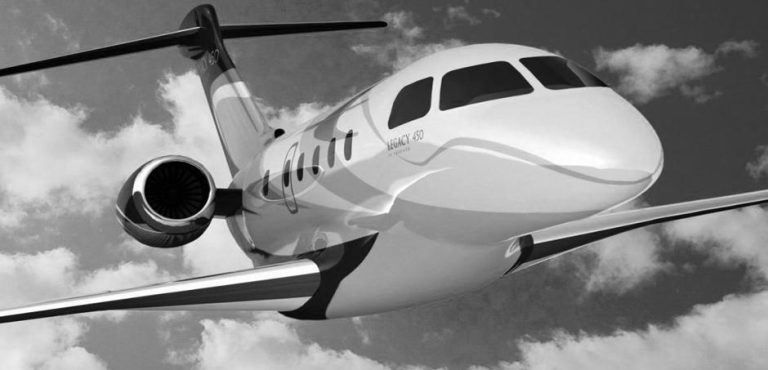
Private Jet PrivateJetia 016
Private jet travel has long been associated with luxury, exclusivity, and convenience. However, behind the scenes, a less visible aspect of the private jet industry is its commitment to safety. As private aviation continues to grow, technology plays an increasingly crucial role in ensuring that both aircraft and passengers remain secure throughout their journey. In recent years, advancements in technology have drastically improved the safety protocols of private jets, making air travel safer than ever before.
The integration of advanced avionics, real-time data systems, artificial intelligence (AI), and other technological innovations has transformed how private jets operate, navigates, and responds to potential risks. These technologies not only provide pilots with critical insights into the condition of the aircraft and surrounding environment but also enable proactive decision-making and risk mitigation. In this article, we will explore the various ways technology is enhancing private jet safety, from next-gen avionics to automated systems that help pilots prevent accidents and ensure the wellbeing of passengers.
The Evolution of Private Jet Safety Technology
The history of private jet safety has been marked by constant advancements in technology. In the early days of private aviation, safety systems were minimal, relying on basic flight instruments and manual navigation. However, as the aviation industry progressed, so did the need for more sophisticated safety systems. Over the decades, technological advancements in avionics, aircraft design, and safety protocols have dramatically improved the safety of private jets, helping to reduce risks and make flying safer for everyone involved.
From the introduction of automatic flight control systems in the 1960s to the widespread use of satellite-based navigation in modern jets, technology has evolved to support pilots and crews in managing increasingly complex flight paths. Today’s private jets are equipped with cutting-edge systems that provide real-time data on everything from weather conditions to aircraft performance, allowing pilots to make informed decisions that ensure a safe and efficient flight.
Next-Generation Avionics: A Game-Changer for Jet Safety
At the heart of modern private jets lies their avionics, the electronic systems that control navigation, communication, and flight management. Avionics technology has progressed significantly over the years, leading to improved flight safety. Modern avionics systems now include a wide range of features designed to assist pilots in every phase of flight, from takeoff to landing.
One of the most significant advancements in avionics technology is the introduction of synthetic vision systems (SVS). Synthetic vision uses 3D terrain mapping and real-time data to create a virtual representation of the aircraft’s environment. This system helps pilots by providing a clear, intuitive display of the terrain, obstacles, and weather conditions, even in low visibility situations. It enables pilots to “see” the landscape ahead, even in darkness or inclement weather, reducing the risk of accidents.
Another key advancement is the automatic dependent surveillance-broadcast (ADS-B) system, which allows aircraft to transmit their position, velocity, and other critical data to air traffic control and other nearby aircraft. This technology significantly enhances situational awareness, helping pilots avoid potential collisions and navigate more safely. ADS-B is particularly useful for private jet operators flying in areas with limited radar coverage, as it allows for continuous monitoring of an aircraft’s position and movements.
Moreover, modern jets are equipped with fly-by-wire systems, which replace traditional mechanical control systems with electronic ones. These systems allow for more precise control of the aircraft, making it easier to handle in difficult conditions. Fly-by-wire technology also enhances the stability of the aircraft, making it less prone to turbulence and other flight disturbances, thus improving safety for passengers and crew.
Weather Forecasting and Monitoring Systems
Weather conditions are one of the most significant factors affecting flight safety. Private jet pilots rely on accurate and up-to-date weather data to make informed decisions about flight routes, altitudes, and landing sites. Advances in weather monitoring systems have revolutionized how pilots manage weather-related risks, allowing them to take proactive measures to avoid adverse weather conditions.
One of the most valuable weather technologies available to private jet pilots is satellite-based weather monitoring. Through satellite communication systems, pilots can access real-time weather data that includes information on storms, turbulence, icing conditions, and lightning strikes. This data helps pilots assess the current and forecasted weather along their flight path, ensuring that they can avoid dangerous weather or adjust the route if necessary.
Another innovation in weather monitoring is weather radar systems installed in private jets. These systems allow pilots to detect and track weather phenomena such as thunderstorms, hail, and turbulence. By providing a detailed view of weather patterns in the area, radar systems enable pilots to make split-second decisions about whether to alter their flight plan or adjust their altitude to avoid dangerous conditions.
Real-Time Data Sharing and Flight Monitoring
Real-time data sharing is an essential element of modern private jet safety. With the help of advanced communication systems, private jets can transmit critical flight data to ground control stations and other aircraft in real time. This data includes information about the aircraft’s speed, altitude, fuel levels, and even engine performance, allowing for early detection of potential issues before they escalate into safety concerns.
Flight management systems (FMS) have also become more advanced in recent years, offering real-time monitoring of aircraft performance and the ability to make adjustments on the fly. These systems help pilots optimize flight routes and fuel consumption, reducing the risk of mechanical failure or running out of fuel. Many private jet operators also use satellite-based communication systems to keep pilots in constant contact with ground control, ensuring that any issues that arise during the flight can be addressed in real time.
In addition to monitoring the aircraft’s performance, real-time data sharing also enables pilots to receive updates on air traffic and potential hazards in the surrounding airspace. This system enhances situational awareness, allowing pilots to make quick adjustments to their flight plans to avoid other aircraft and potential risks.
Artificial Intelligence (AI) and Automation in Jet Safety
Artificial intelligence (AI) is becoming an increasingly important tool in the aviation industry, and private jets are no exception. AI-powered systems are being integrated into private jets to enhance safety, streamline operations, and reduce human error. These systems can analyze large amounts of data in real time, helping pilots make more informed decisions and reducing the likelihood of accidents.
One of the most promising applications of AI in private aviation is the development of autonomous flight systems. While fully autonomous private jets are still a long way off, AI-powered systems are already being used to assist pilots in various aspects of flight. For example, AI can help optimize flight routes, predict maintenance needs, and even assist with takeoff and landing procedures. These systems work in conjunction with human pilots, offering valuable insights and assistance that enhance safety and efficiency.
Another exciting application of AI is in predictive maintenance systems. By using AI to analyze data from the aircraft’s systems, these technologies can predict when components are likely to fail or require maintenance. This proactive approach helps prevent mechanical failures during flight, reducing the risk of accidents caused by equipment malfunctions. Predictive maintenance also helps private jet operators schedule maintenance more effectively, minimizing downtime and ensuring that the aircraft remains in peak condition.
Enhancing Communication and Crew Coordination
Effective communication is a cornerstone of aviation safety, and private jets are equipped with advanced communication systems designed to keep pilots, crew members, and ground control in constant contact. Modern communication technologies allow for seamless coordination between the aircraft and external teams, ensuring that the flight proceeds smoothly and any issues are promptly addressed.
For example, private jets are equipped with satellite communication systems that allow pilots to communicate with air traffic control and other aircraft, no matter where they are flying. These systems ensure that pilots receive real-time updates on weather conditions, flight paths, and potential hazards in their vicinity. In the event of an emergency, pilots can quickly request assistance or reroute to the nearest airport.
Additionally, private jets often feature advanced cockpit voice and data recorders that capture conversations and flight data during the flight. These systems not only help ensure smooth communication during the flight but also play a crucial role in post-flight analysis. By reviewing data from the flight, investigators can identify potential safety issues and prevent future accidents.
Conclusion
The integration of cutting-edge technology into private jet operations has significantly enhanced aviation safety. From advanced avionics and weather forecasting systems to AI-powered automation and real-time data sharing, technology is revolutionizing private jet safety and making air travel safer than ever before. These innovations not only help pilots make informed decisions during flight but also provide proactive measures to prevent accidents and minimize risks.
As the private aviation industry continues to evolve, technology will undoubtedly play an even greater role in ensuring the safety of passengers and crew. The combination of advanced systems, real-time data, and AI-powered tools is helping to create a safer, more efficient flying experience for everyone involved. With these technological advancements, private jet travel is becoming more secure, allowing passengers to enjoy the luxury and convenience of flying while knowing that their safety is always a top priority.