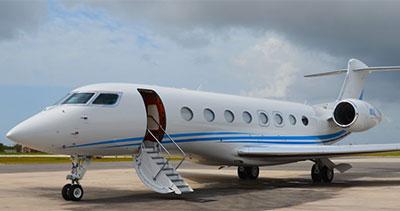
When it comes to private jet travel, safety is the paramount concern. With a growing number of individuals opting for private jets to enjoy luxury, comfort, and flexibility, it is crucial to ensure that these aircraft are equipped with the most advanced safety features available. Safety in aviation is not only about adhering to regulations but also about incorporating cutting-edge technology, rigorous maintenance protocols, and well-trained personnel to mitigate any potential risks.
Private jets are designed with a multitude of safety features that protect passengers, flight crews, and aircraft systems. These safety features are as diverse as the aircraft themselves, but they all serve the same purpose: to make air travel as secure and efficient as possible. This article explores the top safety features that every private jet should have to ensure a smooth, secure, and worry-free experience for all passengers and crew members.
Advanced Avionics for Enhanced Navigation and Communication
One of the primary factors contributing to the safety of private jets is the incorporation of advanced avionics. Avionics systems are essential for safe and accurate navigation, communication, and monitoring of the aircraft’s performance during the flight. These systems enable pilots to respond quickly to potential threats and maintain control of the aircraft throughout the flight.
Modern private jets are equipped with sophisticated navigation tools such as GPS systems, flight management systems (FMS), and terrain awareness warning systems (TAWS). These tools provide pilots with real-time data on the aircraft’s position, speed, altitude, and heading, making navigation more precise and reducing the chances of error. The GPS system is particularly useful in ensuring that the aircraft stays on course, even in low-visibility conditions.
Flight management systems allow pilots to input flight plans and monitor the aircraft’s performance, ensuring that fuel consumption, route efficiency, and time of arrival are optimized. Additionally, these systems help pilots adjust to unexpected circumstances, such as weather disturbances or air traffic congestion, by suggesting alternative routes or altitudes to ensure a safe flight.
TAWS is another critical feature that helps prevent accidents by providing pilots with alerts if the aircraft is in danger of colliding with terrain. The system uses data about the aircraft’s altitude and proximity to the ground to predict potential hazards, and if necessary, it provides warnings to help pilots take evasive action. These technologies combined enhance safety during the flight, making them indispensable on any private jet.
Traffic Collision Avoidance Systems (TCAS)
A vital safety feature on modern private jets is the Traffic Collision Avoidance System (TCAS), which helps prevent mid-air collisions by monitoring the airspace around the aircraft. TCAS works by detecting other aircraft in close proximity and alerting the pilots of any potential collision risks. This system is particularly important in busy airspace, where private jets may be flying at altitudes similar to commercial aircraft or other private jets.
TCAS uses radar and other sensors to detect nearby aircraft and provides the pilots with visual and auditory alerts when there is a risk of collision. In some cases, the system will recommend an avoidance maneuver, such as a change in altitude or course, to ensure that the private jet maintains a safe distance from other aircraft. In busy air corridors or when flying in areas with low visibility, TCAS is an essential tool for ensuring the aircraft’s safety.
Enhanced Weather Radar Systems
Private jets are equipped with sophisticated weather radar systems that help pilots monitor weather conditions in real-time. These systems provide invaluable data on weather patterns, including precipitation, thunderstorms, turbulence, and other hazardous weather conditions that could affect the flight. Advanced weather radar systems allow pilots to make informed decisions about adjusting the flight route or altitude to avoid dangerous weather conditions.
For example, if a pilot detects a storm along the flight path, the radar system will allow them to adjust the route to avoid the worst of the weather. In some cases, the radar will provide information on turbulence ahead, allowing the crew to advise passengers to fasten their seatbelts and ensure their safety during periods of rough air. By being able to detect and avoid dangerous weather, private jets can provide a smoother and safer flying experience for passengers.
Additionally, some private jets are equipped with lightning detection systems that help pilots identify areas of electrical activity within a storm. These systems provide real-time warnings and help pilots avoid flying into dangerous electrical storms, reducing the risk of lightning strikes that could compromise safety.
Aircraft Ice Protection and De-Icing Systems
One of the most significant safety features in private jets is the ice protection system. Ice buildup on an aircraft’s wings, tail, or engines can significantly impair the aircraft’s ability to fly safely, affecting performance, stability, and control. To mitigate this risk, modern private jets are equipped with advanced ice protection and de-icing systems that prevent ice accumulation and ensure that the aircraft remains safe to fly in cold conditions.
There are two main types of ice protection systems used in private jets: anti-icing and de-icing. Anti-icing systems prevent the formation of ice in the first place by using heated surfaces or chemical solutions. De-icing systems, on the other hand, are designed to remove ice that has already formed on the aircraft’s surfaces, such as the wings or tail, using mechanical devices or hot air.
The aircraft’s de-icing system is particularly important during takeoff and landing, as these phases of flight are when ice is most likely to form due to changes in temperature and altitude. By ensuring that the aircraft remains free of ice, private jet operators can prevent dangerous situations that could compromise the safety of the flight.
Autopilot and Emergency Systems for Enhanced Control
Another critical safety feature in private jets is autopilot technology, which helps reduce pilot workload and provides a higher level of precision in flight. Autopilot systems are capable of maintaining the aircraft’s altitude, speed, and course, and they can even perform complex maneuvers such as turns, climbs, and descents. These systems help pilots focus on other critical aspects of the flight, such as monitoring weather conditions, air traffic, and aircraft systems.
Autopilot systems are particularly useful during long-haul flights, where fatigue can be a factor. By allowing the autopilot to manage certain flight functions, pilots can stay alert and focused on monitoring the aircraft’s systems. In the event of an emergency, the autopilot can also assist in stabilizing the aircraft, ensuring that the flight crew has time to assess the situation and take appropriate action.
In addition to autopilot, private jets are equipped with emergency systems designed to take over in the event of a failure. These systems are critical for providing control and stability during emergencies, such as engine failure, electrical malfunction, or system malfunctions. Emergency systems ensure that the aircraft can be flown safely even in the most challenging situations.
Fire Suppression and Cabin Safety Features
Private jets are equipped with state-of-the-art fire suppression systems that protect both the aircraft and its occupants in the event of a fire. These systems include fire extinguishers, smoke detectors, and fire-resistant materials used in the construction of the cabin and cockpit. The fire suppression systems are designed to respond quickly to any signs of fire or smoke and contain the problem before it can spread.
In addition to fire suppression, private jets are equipped with cabin safety features that ensure passenger well-being. These include oxygen masks, life vests, and emergency exits. Passengers are typically briefed on how to use these safety features before takeoff, ensuring that everyone on board is prepared for an emergency.
Private jets are also equipped with advanced smoke detection systems in the cabin and cockpit, which can alert the crew to the presence of smoke before it becomes a significant issue. This early detection system allows for rapid action to be taken to contain any fires and prevent them from escalating.
Cabin Pressure and Oxygen Systems
Maintaining proper cabin pressure is essential for passenger safety and comfort, especially during high-altitude flights. Private jets are equipped with pressurization systems that regulate the cabin pressure and ensure that passengers are not exposed to the risks of hypoxia, a condition caused by low oxygen levels at high altitudes. These systems ensure that the oxygen levels inside the cabin are sufficient to support normal breathing, even when the aircraft is cruising at altitudes of 30,000 feet or higher.
In the event of a cabin depressurization emergency, private jets are equipped with supplemental oxygen systems that provide passengers with breathable air. Oxygen masks are typically stored in the overhead compartments and can be quickly deployed in the event of a rapid loss of cabin pressure. These systems are critical for maintaining passenger safety and preventing oxygen deprivation, which can cause serious health issues.
The Role of the Flight Crew in Safety
While the safety features discussed above are essential, the flight crew plays a critical role in ensuring the overall safety of the flight. Private jet pilots are highly trained professionals who undergo rigorous training and certification processes to ensure that they are fully prepared to handle any situation that may arise during the flight.
Pilots are trained in emergency procedures, including fire suppression, emergency landings, medical emergencies, and evacuation protocols. Additionally, flight attendants are trained in first aid, evacuation procedures, and the operation of safety equipment. The crew’s preparedness ensures that passengers are in good hands and that any potential risks are mitigated quickly and efficiently.
Conclusion
Private jet travel offers a unique and luxurious experience, but safety remains the top priority for both passengers and crew. The safety features discussed above, from advanced avionics and collision avoidance systems to fire suppression and oxygen systems, are all designed to ensure a safe, secure, and smooth flight. By understanding the technology and protocols in place, passengers can feel confident knowing that their flight is equipped with the latest safety measures to protect them every step of the way. Whether it’s preventing mid-air collisions, avoiding dangerous weather, or responding to emergencies, private jets are equipped with the tools and features necessary to ensure the highest level of safety during every flight.