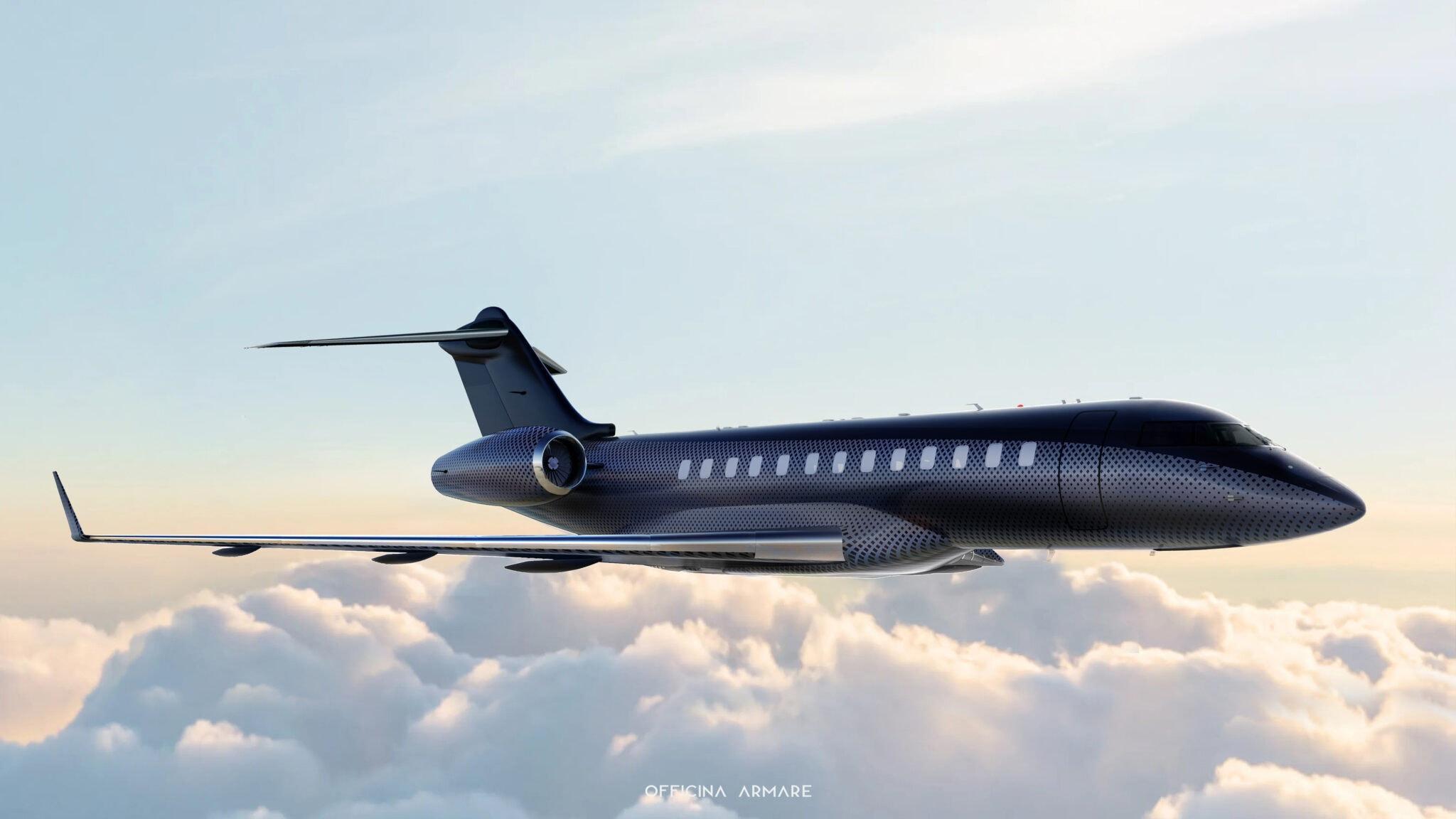
Introduction: The Era of Autonomous Private Jets
The aviation industry is on the verge of a technological revolution. While self-driving cars are making headlines, the future of private aviation is being reshaped by autonomous flight systems. Imagine stepping onto a luxurious private jet where an advanced AI, rather than a human pilot, seamlessly navigates the aircraft from takeoff to landing.
The ultimate autonomous private jet experience is not just about removing pilots from the cockpit, it’s about enhancing safety, efficiency, and passenger luxury to unprecedented levels. But how close are we to seeing fully autonomous private jets? What technologies will shape this revolution? And how will this impact the future of private aviation?
- Understanding Autonomous Flight Technology
What Makes a Jet “Autonomous”?
An autonomous private jet utilizes a combination of artificial intelligence, machine learning, advanced sensors, and autopilot enhancements to manage navigation, takeoff, in-flight adjustments, and landing without direct human intervention.
The key elements of this system include:
AI-Powered Flight Control Systems – Replacing human pilots with intelligent algorithms capable of adjusting flight paths in real-time.
Advanced Sensors & LiDAR Technology – Enabling precise environmental awareness, detecting obstacles, turbulence, and weather conditions.
Satellite-Linked Communication – Providing constant connectivity for real-time decision-making and emergency protocols.
Predictive Maintenance AI – Monitoring the jet’s health to prevent malfunctions before they occur.
With these technologies, private jets could become fully autonomous, reducing human error and offering a safer, more reliable flight experience.
- Safety: Can AI Outperform Human Pilots?
One of the biggest concerns surrounding autonomous jets is safety. However, AI-driven flight systems could actually reduce risk factors in aviation.
How AI Can Make Flying Safer:
✅ Eliminating Human Error – Most aviation accidents are caused by pilot mistakes, fatigue, or misjudgment. AI eliminates these risks by operating with flawless consistency.
✅ Real-Time Data Processing – AI can analyze weather patterns, air traffic, and mechanical conditions in real-time, making split-second decisions faster than any human pilot.
✅ Automated Emergency Responses – If a malfunction occurs, AI-driven jets can execute self-landing protocols or reroute to the safest available airport without panic or hesitation.
✅ Enhanced Cybersecurity – AI can detect and prevent cyber threats, ensuring that autonomous private jets remain immune to hacking attempts.
- The Luxury Experience in an AI-Piloted Jet
Without the need for a cockpit and human crew, autonomous private jets unlock new levels of luxury and personalization.
Key Features of the Ultimate Autonomous Jet Experience:
⭐ Expansive Cabin Designs – With no need for a traditional cockpit, space can be reimagined to include larger lounges, bedrooms, and entertainment areas.
⭐ Personal AI Concierge – An onboard AI can cater to passengers’ needs, offering personalized entertainment, meal recommendations, and itinerary adjustments.
⭐ Augmented Reality Windows – Transforming standard jet windows into interactive displays that provide real-time travel information, starlit views, or immersive landscapes.
⭐ Zero-Turbulence Flight Paths – AI can detect and avoid turbulence before it happens, ensuring a smooth, comfortable journey.
⭐ Self-Cleaning and Adaptive Environments – AI-driven systems can automatically adjust lighting, temperature, and seating arrangements based on passenger preferences.
The removal of human-operated flight controls allows for an unprecedented level of freedom, design flexibility, and futuristic luxury in private aviation.
- AI vs. Human Pilots: Will Private Jet Owners Trust the System?
Despite the advantages, many private jet owners still trust human pilots over AI. The emotional comfort of having a skilled aviator in the cockpit is not something that can be easily replaced.
Challenges in Adopting Autonomous Jets:
⚠️ Psychological Barriers – Many people still feel uneasy about boarding a pilotless aircraft, despite advancements in AI safety.
⚠️ Regulatory Hurdles – Aviation authorities, such as the FAA and EASA, require human oversight in commercial flights. Full autonomy would require major policy changes.
⚠️ Cybersecurity Concerns – A fully AI-operated jet would be at risk of hacking or system failures, raising concerns about data security and aircraft control.
To gain widespread acceptance, hybrid models, where AI co-pilots alongside a human, may serve as a transitional phase before complete autonomy.
- The Future of Private Jet Autonomy: When Will It Happen?
While fully autonomous jets are still years away, major aviation companies are actively developing semi-autonomous technologies:
Dassault Aviation and Gulfstream are exploring AI-assisted autopilot systems.
Boeing and Airbus have conducted successful tests of pilotless aircraft.
Elon Musk’s SpaceX has already demonstrated fully autonomous space travel.
Experts predict that by 2035-2040, the first commercially available autonomous private jets could become a reality, with gradual regulatory approvals.
Conclusion: Is This the Future of Luxury Travel?
The ultimate autonomous private jet experience is more than just a futuristic concept, it is a real possibility being developed today. While there are technical, psychological, and regulatory challenges, the benefits of enhanced safety, operational efficiency, and a very uniqueed luxury make this a compelling direction for the future of private aviation.
Whether the world is ready for AI-piloted luxury jets remains to be seen, but one thing is certain, autonomous aviation is coming, and it will change the way we travel forever.