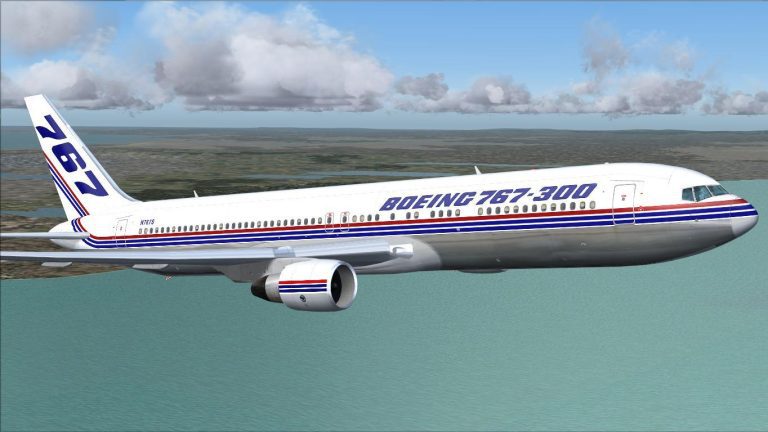
Private Jet PrivateJetia 008
Private jets represent an incredible luxury and practicality for high-net-worth individuals and businesses alike. However, the significant costs associated with purchasing and operating an aircraft can be a burden if not structured correctly. While tax exemptions for private jet ownership may not be as widely publicized as those for other assets, there are legal strategies and tax exemptions that could significantly reduce the tax burden on private jet owners.
In this comprehensive guide, we’ll explore the nuances of private jet tax exemptions, identify the potential savings available through tax laws, and break down how owners can legally structure their ownership to maximize these exemptions. Whether you’re a private owner or a business seeking to understand how to navigate the complex world of aviation tax law, this guide provides an insightful analysis of available strategies to help minimize your tax liabilities.
We’ll also look at the various jurisdictional differences in tax exemptions, so you can better understand how international tax laws impact private jet ownership and how to structure your investment in the most tax-efficient way.
- Understanding Private Jet Tax Exemptions
Before we dive into the specifics of tax exemptions, it’s important to first grasp the key factors that determine whether an owner can benefit from tax breaks or exemptions. The primary elements that affect tax treatment for private jets include:
- Sales Tax and VAT: When purchasing a private jet, one of the most significant expenses can be the sales tax or value-added tax (VAT), depending on your location. Some jurisdictions offer exemptions or reduced rates for certain types of aircraft purchases.
- Depreciation: Aircraft, like other business assets, are often eligible for depreciation, allowing the owner to reduce their taxable income by writing off a portion of the aircraft’s value each year.
- Business Use: If the jet is used primarily for business purposes, many of the costs associated with owning and operating the aircraft (e.g., maintenance, fuel, crew salaries, etc.) can be deductible.
- International Considerations: The tax treatment of a private jet can vary significantly from country to country. Some jurisdictions provide significant tax exemptions for aircraft used for business or international travel, while others impose heavy taxes or fees.
To determine whether you can benefit from tax exemptions or reduced rates, you need to evaluate your use case (business vs. personal use), the jurisdiction in which the aircraft is registered, and the specific laws that apply to your situation.
- Tax Exemptions for Private Jet Purchases
The first step in understanding how to minimize the cost of a private jet is to explore the sales tax or VAT exemptions available during the purchase process. These taxes can amount to a significant portion of the jet’s purchase price, so any available exemptions are worth investigating.
- Business Use Exemption
In many countries, sales tax or VAT can be waived or reduced if the jet is used primarily for business purposes. This is one of the most common tax exemptions for aircraft owners and applies in both domestic and international transactions. However, the specific criteria for qualifying for these exemptions vary by jurisdiction.
- Corporate Owners: Companies that purchase a private jet for use in business operations, such as for employee travel, client meetings, or other corporate functions, may be eligible for tax exemptions or reduced rates on VAT or sales tax.
- Proving Business Use: To qualify for the exemption, owners typically need to demonstrate that the aircraft is used exclusively or primarily for business purposes. This may include keeping detailed flight records, documenting the purpose of each flight, and proving that the aircraft is necessary for business operations.
- International Travel Exemption
Private jets that are used primarily for international travel may also qualify for certain tax exemptions in certain jurisdictions. For example, some countries allow aircraft owners to avoid paying sales tax or VAT if the aircraft is used to transport passengers internationally, rather than for domestic flights.
- Cross-Border Benefits: If the aircraft is used for international business travel, many countries offer tax exemptions or reduced tax rates on both the purchase of the aircraft and its subsequent use. However, this depends on the specifics of the international tax treaties in place between the country of registration and the destination countries.
- State-Specific Exemptions (U.S.)
In the United States, state sales taxes can also vary, with certain states offering more favorable tax treatment for private jet purchases. Some states, like Florida, Texas, and Nevada, offer more lenient sales tax rules for aircraft that are used primarily for business or commercial purposes.
- Example: In Florida, private jets used in business operations are generally exempt from sales tax. However, if the jet is used for personal travel, the purchase may be subject to the state’s sales tax rate. It’s important to know the exact rules for the state in which the aircraft will be based.
- Depreciation and the Tax Benefits of Business Jets
One of the most powerful tools available to private jet owners for tax savings is the ability to depreciate the aircraft over time. Depreciation allows the owner to deduct the purchase price of the jet over a set number of years, reducing their taxable income and resulting in significant savings.
- Accelerated Depreciation under MACRS
In the U.S., private jets qualify for accelerated depreciation under the Modified Accelerated Cost Recovery System (MACRS), which allows businesses to depreciate the aircraft over a relatively short period (typically five years). This method provides significant upfront tax savings, as it allows the owner to claim larger depreciation deductions in the earlier years of ownership.
- Accelerated Depreciation: By using the MACRS system, businesses can immediately write off a significant portion of the jet’s cost. For example, the jet’s depreciation in the first year could be a large percentage of the purchase price, leading to substantial reductions in taxable income.
- Business Use: To qualify for this accelerated depreciation, the jet must be used exclusively or primarily for business purposes. Personal use of the aircraft can affect the depreciation deductions, requiring the owner to allocate the depreciation accordingly.
- Bonus Depreciation
Bonus depreciation allows businesses to deduct a larger percentage of the cost of an asset, like a private jet, in the year it is placed in service. In recent years, the U.S. tax code has allowed for 100% bonus depreciation on new and used aircraft, which means that a business can deduct the full purchase price of the jet in the first year.
- Full Deduction: Bonus depreciation offers a significant tax benefit by accelerating deductions and providing substantial savings. However, this benefit is subject to specific rules, including the requirement that the aircraft be used at least 50% for business purposes.
- Tax Compliance: To take full advantage of bonus depreciation, it’s essential that the owner keeps accurate records of business usage and consults with a tax advisor to ensure compliance with all rules and regulations.
- Tax Exemptions for Aircraft Operation
In addition to exemptions for the purchase of a private jet, owners can also reduce operational taxes through various tax exemptions available for the maintenance, fuel, and insurance costs associated with the aircraft.
- Fuel Tax Exemption
In some jurisdictions, fuel used for business-related air travel may be exempt from sales tax or other fuel taxes. For example, the U.S. offers certain fuel tax exemptions for business aircraft flying under Part 91 or Part 135 of the Federal Aviation Regulations (FAR).
- Business Flights: If the aircraft is used primarily for business purposes, it may qualify for exemptions or refunds on aviation fuel taxes, reducing the overall operating costs of the jet.
- State-Specific Exemptions: Some states offer fuel tax exemptions for jets used in business, which could further reduce operating costs.
- Maintenance and Repair Tax Benefits
Some jurisdictions allow private jet owners to deduct or exclude from tax certain maintenance and repair costs, especially if the aircraft is used for business purposes. Owners can benefit from tax exemptions or deductions on parts, labor, and other maintenance-related expenses that are necessary for keeping the aircraft in operational condition.
- Insurance Tax Exemptions
Similar to maintenance and fuel, the insurance premiums paid on a private jet can sometimes be deducted or excluded from taxes if the aircraft is used for business purposes. It’s important to consult with a tax advisor to understand the specific rules that apply to the tax treatment of insurance costs in your jurisdiction.
- International Tax Exemptions and Opportunities
Private jet owners who travel internationally should also be aware of how international tax laws can affect their tax obligations. Several international tax treaties may provide exemptions or reduced tax rates for aircraft used for international business or commercial flights.
- Cross-Border Tax Treaties
International tax treaties often contain provisions for aircraft tax exemptions or reductions in sales tax and VAT when the aircraft is used for international travel. Understanding how these treaties apply to your aircraft’s operations can provide substantial savings and minimize tax liabilities.
- VAT Exemptions in the EU
In the European Union, private jets that are used for business purposes may qualify for VAT exemptions. Some countries, such as Luxembourg and Malta, offer VAT exemptions on aircraft purchases for qualifying business uses. This can be a significant advantage for owners who frequently travel internationally.
Conclusion
Navigating the complex world of private jet tax exemptions requires careful planning and a deep understanding of both domestic and international tax laws. By structuring your jet investment to take full advantage of sales tax exemptions, depreciation rules, and fuel and operational tax benefits, you can significantly reduce your tax liability and make private jet ownership a more financially viable option.
Consulting with a tax advisor and aviation lawyer who understands the nuances of private jet tax law is essential to ensure that you maximize the tax advantages available to you. Whether you’re purchasing a jet for business purposes or personal use, the right legal structure and tax strategies can provide substantial savings, helping you fully leverage the benefits of private air travel while minimizing the costs.