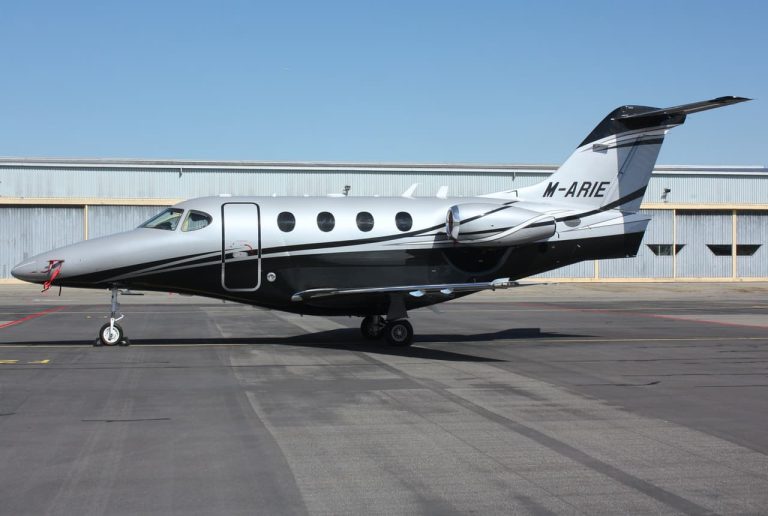
Private Jet PrivateJetia 009
For high-net-worth individuals (HNWIs), owning a private jet is not only a symbol of luxury but also a significant financial investment that comes with complex tax implications. While the benefits of private jet ownership are apparent—convenience, privacy, and flexibility—what often gets overlooked is the substantial tax burden associated with this asset. Fortunately, with the right tax planning strategies, HNWIs can optimize their private jet tax position, significantly reduce liabilities, and enhance the financial efficiency of their aviation assets.
In this guide, we’ll provide creative legal solutions and expert insights on how to approach private jet tax planning in a way that aligns with your financial goals and maximizes the benefits of ownership. Whether you’re purchasing a jet for personal, business, or mixed-use purposes, understanding how to legally minimize taxes and structure ownership effectively is key to preserving wealth and ensuring long-term financial success.
- Understanding the Tax Implications of Private Jet Ownership
Before diving into strategies to optimize tax planning, it’s essential to first understand the basic tax implications of owning a private jet. Unlike most personal assets, a jet is subject to numerous tax rules that can have a profound impact on the cost of ownership. These include:
Depreciation: The IRS allows aircraft owners to depreciate the cost of their jets over time, but only if the jet is used for business purposes. Depreciation allows owners to recover the cost of the jet, but the rate at which it can be depreciated depends on how the jet is used and the method of depreciation chosen.
Sales and Use Taxes: The purchase of a private jet may trigger significant sales tax depending on the state or country where the aircraft is purchased and registered. Some jurisdictions offer sales tax exemptions for business aircraft, but this benefit is often subject to strict rules and regulations.
Operating Expenses: The costs of maintaining, operating, and using the aircraft—such as fuel, maintenance, pilot salaries, insurance, and hangar fees—can often be deducted if the aircraft is used for business purposes.
Property Taxes: If your jet is registered in a jurisdiction that imposes property taxes on aircraft, these taxes can quickly add up, depending on the value of the aircraft.
Personal vs. Business Use: The IRS requires that the jet be used primarily for business purposes (more than 50%) to claim tax deductions. Mixed-use jets, which are used for both personal and business purposes, require careful planning to ensure proper tax treatment.
Given these complexities, a strategic approach to tax planning can help you optimize your ownership experience and minimize tax liabilities.
- Maximizing Depreciation: Bonus and MACRS Depreciation Strategies
One of the most effective ways to reduce tax liability when owning a private jet is through depreciation. Depreciation allows owners to write off a portion of the aircraft’s cost each year, ultimately lowering taxable income. However, how you depreciate your aircraft depends on its use and the method you choose.
Bonus Depreciation: A Window of Opportunity
Under the Tax Cuts and Jobs Act (TCJA), jet owners have enjoyed the benefit of 100% bonus depreciation for qualifying aircraft, allowing them to write off the entire cost of the jet in the year of purchase. This is particularly advantageous for high-net-worth individuals looking to reduce their tax burden in the year of purchase. However, this generous benefit is being phased out gradually, with the full depreciation decreasing by 20% each year, starting in 2023.
For those who act quickly, 100% bonus depreciation is still available until the end of 2022, providing a valuable opportunity for significant tax savings.
Creative Legal Strategy:
Purchase Before the Phase-Out: If you’re looking to maximize your tax benefits, consider purchasing the jet before the full bonus depreciation expires in 2027. By acting early, you can fully capitalize on the 100% depreciation benefit and drastically reduce your taxable income in the first year of ownership.
Evaluate Use in Business: Bonus depreciation can only be claimed if the jet is used for business purposes. For HNWIs, who may use the jet for both personal and business activities, it’s essential to ensure that the aircraft is used for business more than 50% of the time. This could include business trips, client meetings, and other work-related travel.
MACRS Depreciation: Long-Term Tax Planning
If bonus depreciation is not available or if the jet is purchased after the phase-out, MACRS depreciation becomes the next best option. Under MACRS, private jets typically follow a 5-year depreciation schedule, allowing you to spread the tax benefits over time, albeit at a slower rate than bonus depreciation.
Creative Legal Strategy:
Take Advantage of Accelerated Depreciation: Even after bonus depreciation is phased out, MACRS still allows for accelerated depreciation in the initial years of ownership. This strategy can help reduce your taxable income over several years, providing ongoing tax benefits.
- Structuring Ownership to Maximize Tax Benefits
How you structure the ownership of your private jet plays a pivotal role in determining the level of tax deductions and minimizing risks. There are several options available for structuring ownership, each with its own set of benefits.
LLC Ownership: Flexibility and Liability Protection
The most common and effective way to structure ownership is through a Limited Liability Company (LLC). An LLC offers liability protection and provides a flexible structure for business purposes. By forming an LLC to own the jet, you can easily separate business expenses, track deductions, and protect personal assets from any liabilities related to the aircraft.
Creative Legal Strategy:
Separate LLCs for Different Uses: For HNWIs who use the jet for both personal and business purposes, creating multiple LLCs is a smart approach. You could set up one LLC for business use and another for personal use. This approach allows you to maintain detailed records of business expenses and properly allocate costs between personal and business use, thereby maximizing the business-related deductions.
Trust Ownership: Asset Protection and Estate Planning
For high-net-worth individuals who are looking to preserve wealth and pass on their assets to heirs, placing the jet in a trust can be an advantageous option. Ownership through a trust allows for smooth estate planning and helps protect assets from potential creditors.
Additionally, the trust can lease the jet to a business entity or individuals for business purposes, creating income streams and potentially providing further tax benefits.
Creative Legal Strategy:
Establish a Family Trust: By placing the jet in a family trust, you can pass on the asset to heirs without triggering substantial estate taxes. The trust can also lease the aircraft for business purposes, allowing you to claim additional deductions while maintaining asset protection.
- Sales and Use Tax Exemptions: State-Specific Strategies
Sales and use taxes can be a significant burden when purchasing a private jet. Fortunately, several states and jurisdictions offer sales tax exemptions for aircraft used for business purposes. States like Delaware, Florida, and Nevada are often chosen for aircraft registration due to their favorable tax policies, including exemptions on sales tax for business jets.
Creative Legal Strategy:
Choose the Right State for Registration: High-net-worth individuals can save thousands, if not millions, by strategically purchasing and registering their jets in states with tax advantages. For example, Delaware and Nevada are known for not imposing sales tax on jet purchases, making them ideal locations for registering a private jet, particularly for business use.
Work with Aviation Tax Experts: Navigating sales and use tax exemptions can be tricky, especially if you’re considering registering your aircraft in another state or country. Consulting with a tax professional who specializes in aviation tax will help ensure compliance with tax laws and maximize available exemptions.
- Leaseback Arrangements: Generating Income and Deductions
A leaseback arrangement can be an effective way to generate additional income from your private jet while maintaining control over the asset. Under this arrangement, the jet is sold to a third party or related entity and leased back for continued use, typically at favorable terms.
In addition to providing cash flow, leaseback arrangements allow you to continue claiming tax deductions on operating expenses, and in some cases, the lease payments made to the owner can also be tax-deductible.
Creative Legal Strategy:
Utilize Leaseback for Tax Efficiency: A well-structured leaseback agreement can provide a dual benefit: reducing your overall tax liability while also generating a consistent income stream. For business owners, this strategy can offset the costs of owning and operating the aircraft, effectively making the jet more financially efficient.
- Operating Expenses: Maximizing Deductions
When used for business purposes, the operating expenses of a private jet—such as fuel, maintenance, insurance, pilot salaries, and hangar fees—can often be deducted. To maximize these deductions, it is important to maintain detailed records that clearly separate business use from personal use.
Creative Legal Strategy:
Track Business Use Meticulously: High-net-worth individuals who use their jets for both personal and business purposes must carefully document flight logs, itineraries, and business-related meetings to substantiate business use. Utilizing an aviation management company can help streamline this process, ensuring that you can justify your deductions in the event of an audit.
Lease the Jet for Business Travel: If the jet is used primarily for personal travel, consider leasing it to your business for trips related to meetings, events, and client engagements. This allows you to convert personal use into business use, unlocking tax deductions for operating expenses.
Conclusion: Strategic Private Jet Tax Planning for HNWIs
Private jet ownership for high-net-worth individuals offers both exciting possibilities and intricate tax challenges. However, with creative legal solutions, you can maximize your tax efficiency, minimize liabilities, and turn jet ownership into a smart financial decision.
By employing strategies such as leveraging depreciation, structuring ownership through LLCs or trusts, taking advantage of sales tax exemptions, and carefully documenting operating expenses, you can unlock substantial tax benefits. Whether you’re looking to maximize bonus depreciation before it phases out, reduce estate taxes, or ensure the ongoing efficiency of your jet’s ownership, proper tax planning is the key to success.
With the guidance of skilled aviation tax professionals, you can ensure that your private jet ownership remains a smart, tax-efficient investment that complements your broader financial goals.