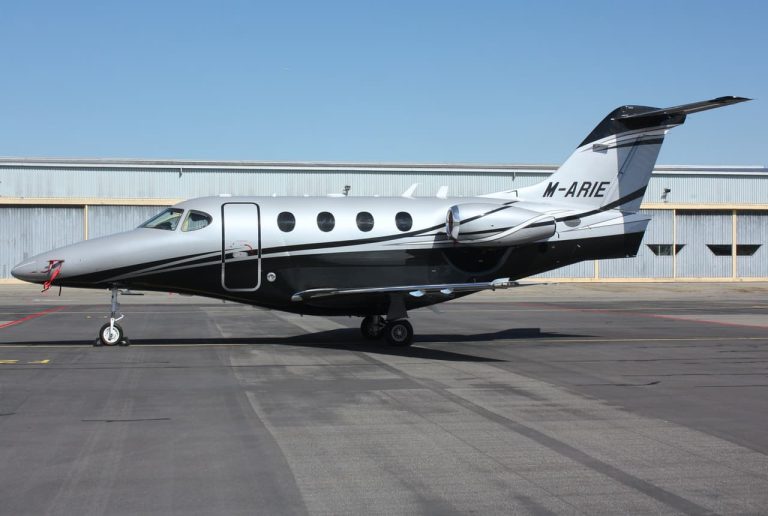
private jet technology privatejetia 26
For high-net-worth individuals and savvy investors, owning a private jet is more than just a luxury—it’s a strategic financial asset. However, as with any significant investment, there are complex tax considerations that must be addressed to ensure that the ownership and operation of the aircraft are financially efficient. Legal tax strategies are vital to maximizing the value of your private jet investment, ensuring that you minimize liabilities and take advantage of all available tax benefits.
In this comprehensive guide, we will explore the most effective legal tax strategies for private jet investors. From structuring ownership through the right legal entities to leveraging tax deductions and credits, we’ll cover every angle to help you optimize your private jet investment. Whether you are purchasing your first jet or looking to refine your current tax planning, this guide will provide the tools and insights needed for tax-efficient ownership.
- Structuring Ownership for Tax Efficiency
The first step in minimizing taxes on your private jet investment is choosing the right structure for ownership. How you hold the aircraft can have a significant impact on the taxes you pay, and different legal structures provide varying levels of tax savings and liability protection.
- Ownership Through a Business Entity
One of the most popular tax strategies for private jet investors is to own the aircraft through a business entity, such as a Limited Liability Company (LLC), a Corporation, or a Partnership. This structure can offer a wide range of tax benefits.
- Business Expense Deductions: If the jet is used for business purposes, the owner can deduct operating expenses such as fuel, maintenance, insurance, and salaries for the crew. These deductions can significantly reduce taxable income.
- Depreciation Benefits: Aircraft owners can also take advantage of depreciation, which allows them to deduct a portion of the jet’s purchase price over several years. With the right entity structure, depreciation can be a powerful tool for lowering tax liabilities.
- Liability Protection: An LLC or Corporation helps protect personal assets by separating the jet from your personal finances, reducing exposure to potential legal claims.
To qualify for business expense deductions and depreciation, it’s crucial to demonstrate that the jet is used primarily for business purposes. If you are using the jet for both personal and business use, ensure that you maintain detailed records of each flight, including business meetings, conferences, and client travel.
- Using a Trust for Tax Efficiency
Another effective strategy is to hold the aircraft in a trust. This can be particularly beneficial for estate planning purposes and wealth transfer. Trusts are also valuable for private jet investors who want to shield the asset from certain tax obligations.
- Estate Tax Benefits: A well-structured trust can minimize estate taxes, as it allows you to transfer ownership of the jet to beneficiaries without triggering significant tax liabilities.
- Asset Protection: Holding a jet in a trust also offers asset protection, ensuring that the aircraft is safeguarded from creditors or legal claims.
- Tax-Exempt Benefits: Certain types of trusts may provide tax-exempt benefits, allowing for greater tax savings over the long term.
When using a trust, it’s essential to comply with all applicable tax laws and to work with an experienced estate planning attorney to ensure that the structure is properly set up.
- Leveraging Depreciation for Tax Savings
Depreciation is one of the most powerful tax strategies for private jet investors. The IRS allows jet owners to depreciate the value of their aircraft over time, providing substantial tax savings in the form of deductions.
- Accelerated Depreciation Methods
The IRS allows for accelerated depreciation methods under the Modified Accelerated Cost Recovery System (MACRS), which is commonly used for business aircraft. Under MACRS, a jet can be depreciated over five years using the 200% declining balance method, which results in larger deductions in the initial years of ownership.
- Tax Deductions: By using accelerated depreciation, investors can significantly reduce their taxable income in the first few years of ownership.
- Maximizing Depreciation: If the jet is used for both personal and business purposes, you can only depreciate the portion used for business. However, careful tracking of usage will allow you to maximize depreciation claims.
- Bonus Depreciation
The Tax Cuts and Jobs Act (TCJA) introduced a special provision for bonus depreciation, allowing aircraft owners to immediately depreciate up to 100% of the cost of a new or used aircraft in the year of purchase. This applies to jets that are used at least 50% for business purposes.
- Immediate Tax Relief: Bonus depreciation provides immediate tax relief, which can offset a significant portion of the initial purchase cost.
- Phasing Out: It’s important to note that bonus depreciation is set to phase out over the next few years, decreasing by 20% annually starting in 2023.
Bonus depreciation is a valuable opportunity for investors looking to maximize their tax savings in the short term. However, given the phase-out timeline, investors should act quickly if they want to capitalize on the full 100% deduction.
- Utilizing the Aircraft for Business Purposes
One of the most straightforward ways to reduce the tax burden on a private jet is to ensure that the aircraft is used for legitimate business purposes. When a jet is used for business travel, its operating expenses, including fuel, maintenance, insurance, and even pilot salaries, can be deducted.
- Documenting Business Use
To qualify for business expense deductions, it’s essential to keep thorough records that demonstrate the aircraft’s business use. This includes:
- Flight logs: Keep track of all flights, detailing the purpose of each trip, whether it was for a business meeting, conference, or client visit.
- Business-related expenses: Be sure to maintain records of any expenses associated with business use, including fuel receipts, maintenance invoices, and crew salaries.
- Business travel justification: Ensure that the travel is directly related to the business or investment activity, such as meetings with clients, suppliers, or partners.
Proper documentation is key to defending your tax position in the event of an audit. The IRS requires clear evidence that the aircraft is used for business purposes in order to qualify for deductions.
- Hybrid Business and Personal Use
For private jet owners who use their aircraft for both personal and business purposes, the IRS requires that expenses be allocated between the two types of use. The key is to accurately track the proportion of business use versus personal use.
- Pro-rata allocation: The cost of operating the aircraft, including fuel and maintenance, must be split based on business versus personal use. For example, if the jet is used 70% for business, you can deduct 70% of the operating expenses.
- Audit Risk: If the IRS determines that the jet is primarily used for personal reasons, they may disallow business expense deductions, which could result in penalties.
- State and Local Tax Considerations
In addition to federal tax considerations, private jet investors must also account for state and local taxes. Different states have varying tax laws, which can impact the overall cost of owning a private jet.
- Sales Tax and Use Tax
Sales tax is a major consideration when purchasing a private jet. While some states do not impose sales tax on aircraft purchases, others may charge significant rates, often based on the purchase price of the jet.
- Sales Tax Exemptions: Some states offer sales tax exemptions or reduced rates for aircraft purchased for business use or those that are primarily used in interstate travel.
- Use Tax: If you purchase a jet in a state with no sales tax and then bring it to a state that does impose use tax, you may be required to pay use tax upon registration.
- Property Taxes
Property tax is another significant consideration for private jet owners. Some states impose annual property taxes on aircraft based on their value, while others offer tax incentives for aircraft based in-state.
- State-Specific Incentives: Some states provide tax breaks for private jet owners who keep their aircraft within the state or use them for business purposes.
Working with a tax professional who understands the nuances of state and local tax laws is crucial to ensuring you are not overpaying or missing out on tax-saving opportunities.
- Compliance and Risk Management
While there are numerous opportunities to reduce tax liabilities, private jet investors must also prioritize compliance to avoid potential audits or penalties.
- Staying Updated on Tax Laws
Tax laws are constantly evolving, especially in sectors like aviation. It’s essential to stay updated on any changes to federal, state, or local tax regulations that could impact your ownership structure or tax strategy.
- Engage with Professionals: Work with a tax advisor who specializes in aviation to ensure you are always in compliance with the latest laws.
- Regular Audits: Regularly review your tax strategy and aircraft usage to ensure that your deductions and credits are properly documented.
- Risk Management
Proper risk management strategies, such as ensuring that you comply with business use requirements and maintaining sufficient documentation, are essential to avoiding potential penalties.
Conclusion
By leveraging effective legal tax strategies, private jet investors can significantly reduce their tax burdens while maximizing the financial efficiency of their aircraft ownership. From choosing the right ownership structure and utilizing depreciation to ensuring business use and staying compliant with state and federal regulations, every aspect of private jet ownership can be optimized for tax savings.
With careful planning, accurate documentation, and professional guidance, you can enjoy the benefits of private jet ownership without the tax burdens that often accompany it.