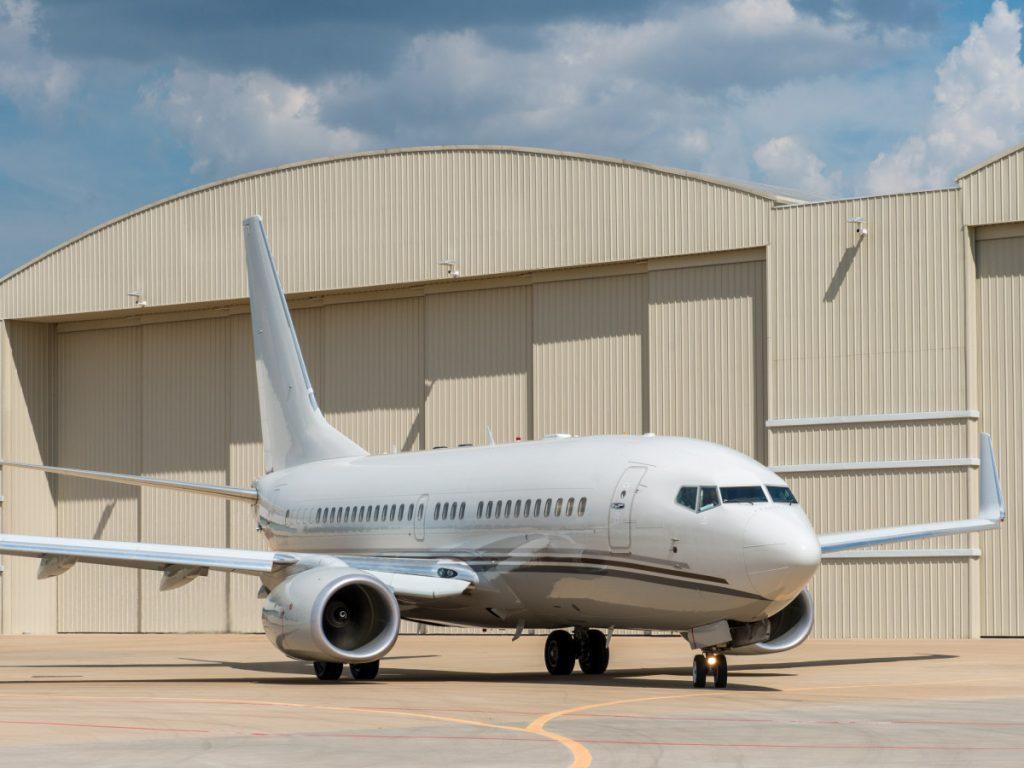
Luxury Travel Private Jet Privatejetia 13
Purchasing a private jet is no longer just a luxury reserved for the ultra-wealthy, it’s a strategic investment for successful entrepreneurs, business magnates, and high-net-worth individuals seeking freedom, flexibility, and efficiency in their travels. However, navigating the complex world of private jet purchases can be challenging without the right knowledge, creative strategies, and expert guidance. Whether you’re a first-time buyer or an experienced investor, this ultimate guide is designed to equip you with everything you need to know about buying a private jet.
In this comprehensive guide, we will outline creative techniques for success, offering insights into the purchasing process, from choosing the right jet to negotiating the best deal and managing long-term ownership costs. The road to owning a private jet is a journey, and with these expert strategies, you’ll be well-equipped to make smart decisions and secure your ideal aircraft.
1. Understanding Your Needs: A Personalized Approach
The first step in any private jet purchase is to define your needs. While the idea of owning a private jet is undeniably appealing, the right aircraft will vary based on how you intend to use it. To approach this process creatively and effectively, consider the following:
- Purpose of Ownership:
Are you buying the jet for personal use, business use, or a combination of both? Understanding how often you plan to travel, the distances you plan to cover, and the number of passengers you expect to fly with is key. A light jet may suit short, frequent trips, while a heavy jet may be better for long-haul flights. - Passenger Capacity:
The number of people you plan to travel with regularly will also influence your decision. A light jet accommodates around 4-6 passengers, while a mid-size or heavy jet can seat anywhere from 8 to 14 passengers comfortably. Make sure the jet you select matches your typical flight scenarios. - Flight Range:
The range of the aircraft is another critical factor. If your trips involve international travel or long distances, you’ll need a jet with a longer range, such as an ultra-long-range jet. For shorter flights, a super mid-size jet may suffice.
By fully understanding your specific needs, you can create a more tailored buying strategy that ensures you’re selecting the right aircraft from the start.
2. Researching the Market: Stay Ahead of Trends
The private jet market is constantly evolving, with new models, technologies, and market trends shaping the availability and pricing of jets. Staying ahead of these trends can make a significant difference in your purchasing decision.
- New vs. Pre-Owned Jets:
One of the first choices you’ll face is whether to buy a new or pre-owned jet. New jets come with the latest technology, warranties, and zero flight hours, but they also come with a premium price. Pre-owned jets, on the other hand, offer savings but may require more maintenance and could have a shorter lifespan. Weigh the pros and cons based on your budget and long-term needs. - Market Conditions:
Like any major investment, the private jet market fluctuates with the economy, demand, and jet availability. Understanding when to purchase is crucial to getting the best price. Jet prices may rise in times of high demand, or a slow economy could lead to sellers offering better deals on pre-owned jets. - Popular Models and Trends:
Some jet models are consistently in demand due to their reliability, performance, and luxury features. Keep an eye on the top-performing models within your budget range, and assess whether a high-demand aircraft fits your needs. Classic models often hold value better and are easier to resell.
3. Leverage the Expertise of a Private Jet Broker
Navigating the private jet market requires a deep understanding of the industry. A private jet broker can provide invaluable assistance in securing the best deal and ensuring you make a sound investment.
- Access to Off-Market Listings:
Many private jets are sold off-market, meaning they are not publicly listed. Brokers have access to a network of off-market jets that could be perfect for your needs. This gives you a broader selection and helps you avoid bidding wars for highly popular aircraft. - Negotiation Power:
A broker’s expertise in negotiating prices can save you significant amounts of money. Their understanding of market dynamics, jet values, and seller motivations allows them to secure the best deal on your behalf. - Time and Effort Savings:
Searching for a jet, dealing with sellers, arranging viewings, and negotiating deals can be time-consuming and overwhelming. A jet broker handles all these details for you, saving you precious time and ensuring a smoother transaction.
4. Explore Fractional Ownership or Jet Cards
If you don’t require the full-time ownership and the responsibilities that come with it, consider alternative options like fractional ownership or jet card memberships. These options offer flexibility and lower financial commitment compared to full ownership.
- Fractional Ownership:
Fractional ownership allows you to buy a share in a private jet, giving you access to a specified number of flight hours. This option is ideal for those who need to fly regularly but not all the time. It offers cost savings compared to owning a jet outright, while still providing the luxury and convenience of private travel. - Jet Cards:
Jet cards give you access to a fleet of aircraft for a fixed number of hours, allowing you to book flights without the long-term commitment of owning a jet. Jet cards offer flexibility and eliminate the hassle of managing a jet’s maintenance and crew.
By exploring these creative alternatives, you can enjoy the benefits of private aviation without the burdens of full ownership.
5. Evaluate Long-Term Ownership Costs
Buying a private jet involves more than just the initial purchase price. It’s essential to understand the ongoing costs associated with owning an aircraft, including maintenance, fuel, insurance, and crew salaries. Creative planning is required to manage these costs efficiently.
- Operating Costs:
The cost per flight hour typically ranges from $1,500 to $2,500 for smaller jets and can go higher for larger aircraft. Operating costs include fuel, maintenance, crew salaries, and ground services. - Maintenance and Upkeep:
Private jets require regular maintenance to stay in top shape. Costs for routine maintenance, inspections, and part replacements can add up, particularly with older jets. Consider entering a maintenance program to cover these costs and avoid unexpected expenses. - Storage and Hangar Fees:
Storing a private jet requires hangar space, which comes at a cost. These fees vary depending on the airport location and the size of your jet. Make sure to factor in hangar fees when calculating your total ownership costs.
6. Conduct a Thorough Inspection and Due Diligence
Whether you’re buying new or pre-owned, always have the aircraft thoroughly inspected by a professional before completing the purchase. An independent inspection will ensure that the jet is in proper working condition and free of hidden issues.
- Inspect the Aircraft’s Condition:
A detailed inspection will assess the airframe, engines, avionics, and interior to ensure everything is in top shape. For pre-owned jets, verify the maintenance records to ensure the aircraft has been well-maintained and is free of costly repairs. - Check for Structural Issues:
Structural problems can lead to significant repair costs and safety concerns. Be sure the inspection checks for corrosion, wear, and tear, as well as any damage caused by previous accidents.
7. Finalize the Purchase and Negotiate the Terms
Once you’ve selected your jet and completed all inspections, it’s time to finalize the purchase. Negotiation is key in securing the best deal, and even if you’ve found the perfect jet, there may still be room for improvement in the terms of the sale.
- Price Negotiation:
Don’t settle for the initial asking price. Use your research, broker, and market knowledge to negotiate a better deal. Even for new jets, there may be room for price reductions or added perks, such as extended warranties or upgraded features. - Financing and Payment Options:
Most buyers of private jets choose to finance the purchase. Ensure you’re getting the best interest rates and loan terms by shopping around for financing options. Consult a financial advisor who specializes in jet purchases for the best strategy.
8. Test Flight: Experience Before You Commit
Before making the final commitment, arrange a test flight. This is your chance to experience the jet firsthand, see how it performs, and evaluate the comfort and amenities. Pay attention to factors such as flight stability, speed, and the overall flight experience. A test flight gives you the peace of mind that the jet meets your expectations.
Conclusion
Purchasing a private jet is an exciting and rewarding investment that offers convenience, luxury, and status. However, it’s crucial to approach the process strategically and creatively to ensure that you make an informed decision. By understanding your needs, researching the market, leveraging the expertise of brokers, evaluating long-term costs, and conducting thorough inspections, you can navigate the world of private jet buying with confidence.
Whether you’re interested in full ownership or exploring fractional ownership and jet cards, the strategies outlined in this guide will help you secure the best deal and make the most out of your investment. Owning a private jet is not just about traveling in style, it’s about investing in your lifestyle, productivity, and future.


