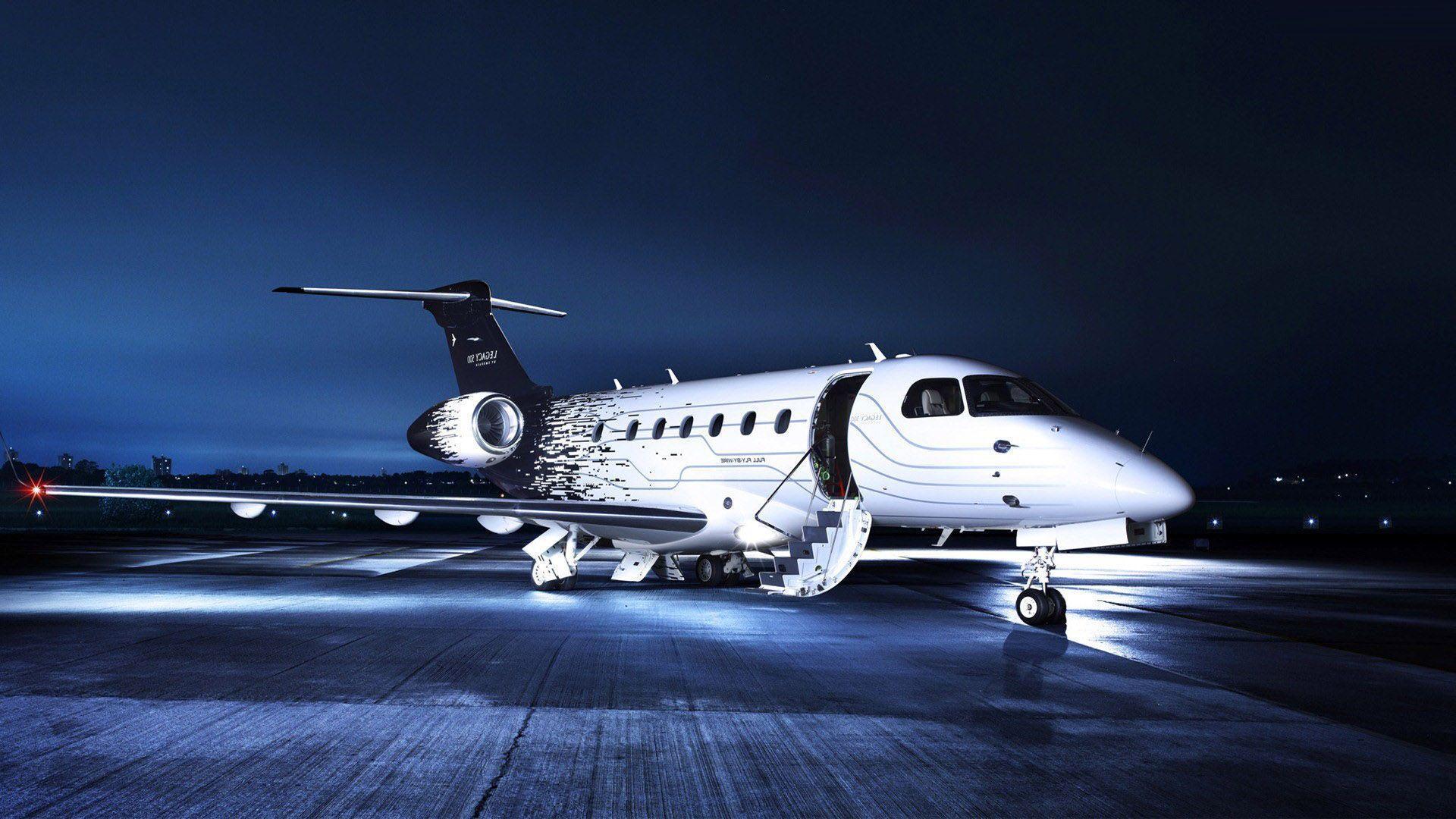
The aviation industry has long been a leader in innovation, introducing cutting-edge technologies that transform the flying experience. One of the most exciting advancements in recent years is the integration of touchless controls in modern private jets. These systems, which use sensors, voice commands, and advanced AI technologies, are revolutionizing the way passengers and crew interact with the aircraft. From cabin lighting to climate control, touchless technology is making private jet travel more efficient, luxurious, and safer than ever before.
This article explores how touchless controls are shaping the future of aviation, the benefits they offer, and the different ways they are being used in modern private jets. We will also discuss the challenges and the potential of these technologies in revolutionizing in-flight experiences, pushing the boundaries of what we expect from luxury air travel.
1. The Evolution of Touchless Technology in Aviation
Touchless technology has been around for some time, but its application in aviation is relatively new. Traditionally, passengers and crew interacted with the aircraft’s controls using physical buttons, switches, or touchscreens. However, as the demand for convenience and safety grew, the aviation industry began integrating gesture control systems and voice-activated interfaces into private jets.
The early stages of this innovation were focused on automating simpler tasks, such as adjusting the lighting or temperature. As technology advanced, manufacturers began developing more sophisticated systems that could handle more complex functions, including entertainment control, communication, and even flight monitoring. These systems use a combination of sensors, infrared technology, and AI to detect and respond to gestures or voice commands.
One of the most significant shifts has been the development of integrated, intuitive interfaces that allow passengers to control various aspects of their flight experience without the need to touch physical surfaces. This is particularly important in today’s world, where hygiene and cleanliness are top priorities. By eliminating the need for physical contact with buttons or screens, touchless controls help maintain a cleaner, more hygienic cabin environment.
2. How Touchless Controls Work in Private Jets
The implementation of touchless controls in modern private jets is based on a range of advanced technologies, all working together to create a seamless, intuitive experience for passengers and crew. Here’s how these systems work:
Voice Activation
One of the most popular forms of touchless control in private jets is voice-activated systems. These systems rely on voice recognition software to understand and execute commands given by passengers or crew. Voice commands can be used for a wide range of functions, such as adjusting cabin temperature, changing the lighting, selecting entertainment options, or even sending messages to the crew. The key to voice activation is natural language processing, which allows the system to understand conversational speech and respond accordingly.
Voice-activated assistants, similar to those found in smart homes (such as Amazon Alexa or Google Assistant), are now becoming a standard feature in private jets. These assistants are typically integrated into the aircraft’s main system, enabling passengers to control their environment with simple verbal commands.
Gesture Control
Another exciting application of touchless technology in private jets is gesture control. These systems use sensors or cameras to detect the movement of a person’s hand, finger, or even body to interpret commands. For example, a passenger might be able to adjust the window shades by simply waving their hand or control the lighting by making a swiping motion. The technology relies on infrared sensors, capacitive touch sensors, and advanced algorithms to recognize the specific movements and translate them into actions.
Gesture control enhances the user experience by providing a highly interactive, intuitive, and hands-free way to control the jet’s systems. This technology is particularly useful when passengers are seated and do not want to get up to adjust controls. Moreover, gesture control systems are incredibly user-friendly, as they do not require complex training or expertise to operate.
Motion Sensors
Motion sensors are another component of touchless controls that improve the in-flight experience. These sensors are integrated into various parts of the cabin, such as overhead panels, light fixtures, and even the armrests. They are designed to detect the presence and movement of passengers, enabling them to control various features simply by moving within the cabin. For example, motion sensors can be used to automatically adjust lighting or air conditioning when a passenger enters or leaves a seat. This automated response to passenger movement enhances convenience and contributes to an optimized, energy-efficient cabin environment.
Smart Glass Technology
Smart glass, or electrochromic glass, is a revolutionary technology that allows windows to change their tint with a simple voice command or gesture. This touchless feature is perfect for passengers who want to adjust the light levels or increase privacy without having to touch a physical switch. The glass can be electronically dimmed or cleared, giving passengers full control over the cabin’s lighting and privacy without any physical contact.
Integrated Systems for Ultimate Control
In modern private jets, touchless controls are often part of an integrated system that controls multiple cabin features simultaneously. These systems connect various elements such as lighting, temperature control, entertainment, and even seat adjustments, allowing passengers to adjust all of them through a single voice command or gesture. For instance, saying “relax mode” might dim the lights, adjust the temperature, and play soothing music, all in one simple action. These integrated systems are designed to create a personalized and seamless experience for every passenger on board.
3. The Benefits of Touchless Controls in Private Jets
Enhanced Hygiene and Safety
In the wake of the COVID-19 pandemic, hygiene has become a top priority for air travelers. Touchless technology in private jets eliminates the need to physically interact with surfaces, reducing the spread of germs and viruses. Passengers can adjust the environment, control entertainment, and interact with the aircraft’s systems without touching buttons, screens, or other high-contact surfaces. This contributes to a cleaner and safer cabin environment, ensuring passengers feel comfortable and confident while flying.
Increased Convenience and Comfort
Touchless controls make operating the aircraft’s systems more intuitive and less cumbersome. With the ability to control everything from the seating position to the temperature and lighting with a simple gesture or voice command, passengers can enjoy a more relaxing and personalized flying experience. The convenience of controlling multiple aspects of the flight with minimal effort enhances overall comfort, allowing passengers to focus on enjoying their journey rather than fiddling with complicated controls.
Seamless User Experience
Modern private jets are designed with user experience in mind, and touchless controls are a significant part of this evolution. The integration of voice recognition and gesture control provides a highly interactive and intuitive interface for passengers. Instead of dealing with complex touchscreens or physical switches, passengers can simply speak or gesture to get the response they need. This seamless experience improves accessibility and makes operating the jet’s systems much easier for all passengers, regardless of their technical expertise.
Increased Efficiency for the Crew
For flight attendants and crew members, touchless technology simplifies cabin management. The crew can use voice commands or gesture controls to make in-flight adjustments or communicate with the cockpit, all without the need to manually interact with devices. This allows them to focus on delivering top-notch service and ensuring the comfort of passengers. Motion sensors and automated systems also help optimize energy use and cabin functionality, leading to a more efficient operation of the aircraft.
4. The Future of Touchless Technology in Private Jets
The potential of touchless controls in private jets is immense. As technology continues to advance, we can expect even more innovative applications of touchless systems in aviation. Here are a few possibilities for the future:
Full Integration with Artificial Intelligence
The integration of AI with touchless controls will take the passenger experience to a new level. AI systems can learn a passenger’s preferences over time and anticipate their needs before they even ask. For example, the aircraft might automatically adjust the temperature, lighting, and entertainment based on the time of day or the individual’s past preferences, creating a truly personalized experience.
Advanced Motion Recognition
Future systems may incorporate more advanced motion recognition technologies that can detect more complex gestures, such as specific hand shapes or movements, for finer control over the aircraft’s functions. This could allow for greater customization and precision, making the touchless control system even more intuitive.
Greater Interactivity
In the future, touchless controls could extend beyond the aircraft’s cabin to the entire in-flight experience. For example, passengers might be able to control the lighting and environment of the jet’s bathroom, or even interact with the aircraft’s on-board entertainment system, through voice commands or gestures. Enhanced interactivity will make the experience more immersive, fun, and engaging for all passengers.
5. Conclusion
Touchless controls are transforming the private jet experience, providing passengers with a more luxurious, convenient, and hygienic way to travel. With innovations like voice activation, gesture control, motion sensors, and smart glass technology, private jets are becoming more advanced, intuitive, and efficient than ever before. These technologies not only enhance the comfort of passengers but also streamline operations for crew members, leading to a more seamless and enjoyable in-flight experience. As touchless systems continue to evolve, the future of private jet travel looks brighter, offering passengers even more control, convenience, and luxury during their flights.