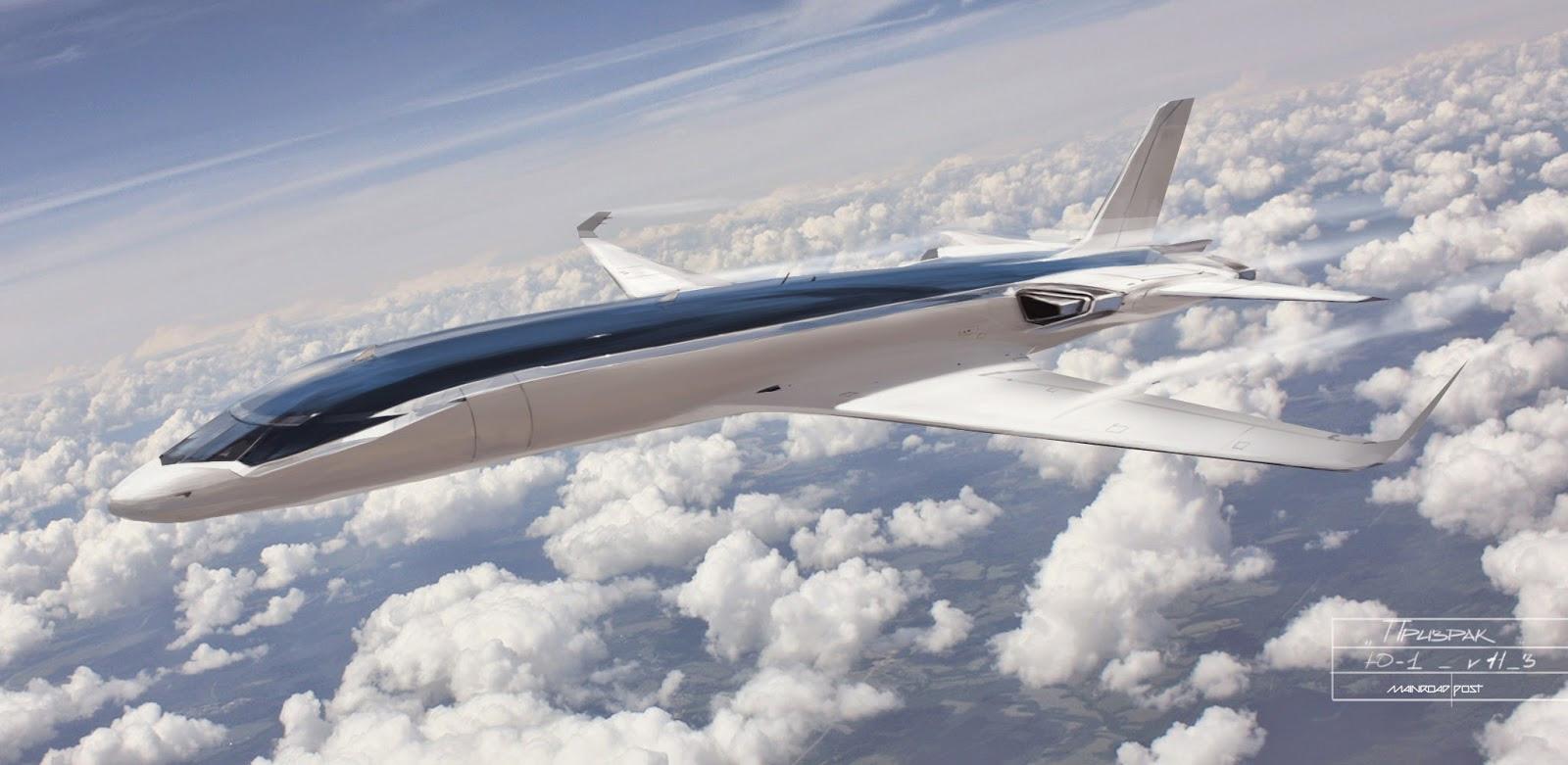
In the realm of ultra-luxury private jets, every detail is crafted to offer passengers the highest level of comfort, safety, and exclusivity. One of the most exciting advancements in this field is the introduction of smart glass screens, which are revolutionizing how privacy is maintained during flights. These screens provide a digital privacy solution that allows passengers to control their level of visibility and interaction with their surroundings, all while enjoying the ultimate in convenience and technology.
This article delves into the role of smart glass technology in enhancing digital privacy aboard ultra-luxury private jets and explores how this innovation is changing the travel experience for the world’s elite.
What Are Smart Glass Screens?
Smart glass screens are a type of glass that can change its properties, such as transparency, opacity, or color, in response to external stimuli such as electric current, light, or heat. This technology is increasingly being integrated into architectural and transportation designs, including private jets, to offer enhanced privacy and comfort.
In the context of private jets, smart glass screens are used for windows, partitions, and even personal touchscreens, allowing passengers to adjust the level of privacy according to their preferences. Whether it’s to block out sunlight, shield from prying eyes, or create a more intimate environment, these screens provide an a very uniqueed sense of control over the travel experience.
How Smart Glass Technology Works
Smart glass technology works on the principle of electrochromic materials, which can change their transparency when an electric current is applied. The process is seamless and instantaneous, enabling passengers to adjust their surroundings with the touch of a button or a voice command. This can be done either for the entire cabin or on a per-window basis, offering flexible solutions to meet the needs of each individual.
Some smart glass systems use switchable privacy glass that can transition from clear to opaque. This allows passengers to create a private space, even within an open-plan cabin. For instance, if a passenger wants to conduct a sensitive meeting or enjoy some quiet time without distractions, they can simply activate the smart glass to block visibility from outside or from fellow passengers.
Other types of smart glass use electro-optic properties to adjust tint levels based on external factors like sunlight or time of day. This allows passengers to maintain a comfortable level of light while preventing glare, ensuring a relaxed and glare-free environment during the flight.
How Smart Glass Screens Enhance Digital Privacy
In an age where privacy is of utmost importance, especially among high-profile individuals such as business leaders, celebrities, and politicians, smart glass technology offers a sophisticated solution to ensure personal and digital privacy during air travel. Here are some of the key ways smart glass screens are enhancing privacy:
- Shielding Digital Displays from Prying Eyes
One of the most significant concerns for private jet passengers is keeping sensitive information safe from curious onlookers or other passengers. With smart glass screens, passengers can create a barrier of privacy by simply dimming or darkening the glass, making it harder for anyone outside or in adjacent seats to view their personal or business-related digital displays.
Whether it’s reading confidential documents on a tablet, working on sensitive business proposals, or making private calls, passengers can rely on smart glass technology to protect their digital interactions from any unwanted attention. This level of digital privacy is especially important for individuals who need to maintain confidentiality, even when in the sky.
- Creating Private Spaces for Virtual Meetings
Many ultra-luxury private jets are equipped with conference rooms or executive suites that allow passengers to conduct meetings during their flight. In such settings, maintaining privacy is critical, especially when dealing with high-profile or confidential matters.
Smart glass screens can be used to create private environments by blocking out external visibility. With just a touch of a button, the glass can become completely opaque, turning a shared space into a private meeting room. This is ideal for virtual meetings, where clients or business partners can feel secure knowing that no one can eavesdrop on their conversation.
- Personalized Control Over Cabin Privacy
Smart glass technology allows passengers to enjoy personalized privacy in a way that suits their needs. The ability to adjust the transparency of the windows allows passengers to enjoy privacy without feeling isolated. For instance, they can dim the glass to shield themselves from the sun without sacrificing the view, or they can create an opaque cocoon for a more secluded, private experience.
For high-net-worth individuals who are used to a life of exclusivity, the ability to control their environment and create a truly private space is a game-changer. Smart glass technology provides passengers with a high level of comfort, security, and convenience, giving them the ability to tailor their space for various activities, whether it’s work, relaxation, or entertainment.
- Reducing the Risk of Data Breaches
For passengers conducting business on their private jet, data security is a top concern. Smart glass can contribute to reducing the risk of data breaches by preventing unauthorized access to digital devices. By ensuring that no one can easily look over the shoulder of a businessperson working on confidential information, smart glass adds a layer of security that traditional privacy measures, such as curtains or shades, cannot provide.
Moreover, as smart glass can also adjust its tint levels to match the outside light conditions, it ensures that external visibility is minimized, whether it’s day or night. This adds another level of assurance that sensitive information remains private.
- Enhancing In-Flight Entertainment Privacy
In addition to business meetings, passengers may also wish to enjoy personal entertainment without being disturbed or observed. Smart glass technology allows passengers to block visibility from others, ensuring that no one can peek at their movie, video game, or personal content. Whether it’s relaxing with a favorite film or enjoying a private performance on the in-flight entertainment system, smart glass enhances the privacy of entertainment experiences.
The Future of Smart Glass in Private Aviation
As technology continues to advance, the role of smart glass in private aviation is expected to expand further. In the future, smart glass systems will likely integrate with other AI-powered technologies to offer even more personalized control over the passenger experience. For example, voice-activated commands could be used to adjust the tint of the windows or activate privacy modes, creating an even more seamless and luxurious experience.
Additionally, smart glass could become more energy-efficient, allowing private jets to integrate solar-powered windows that automatically adjust to lighting conditions, providing privacy while also contributing to sustainability. As the demand for privacy, security, and luxury in private aviation continues to grow, smart glass technology will play a pivotal role in shaping the future of private jet travel.
Conclusion
Smart glass technology is ushering in a new era of privacy and comfort for ultra-luxury private jet passengers. By allowing for seamless adjustments in transparency, tint, and opacity, smart glass screens provide a sophisticated solution for digital privacy in the sky. Whether it’s shielding digital displays from prying eyes, creating private spaces for meetings, or enhancing entertainment privacy, smart glass technology ensures that passengers can maintain complete control over their environment. As private aviation continues to evolve, smart glass will undoubtedly remain a cornerstone of the luxury travel experience, offering ultimate privacy and comfort for the world’s most discerning travelers.