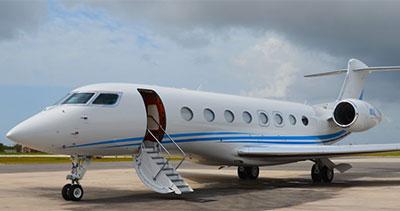
Luxury Travel Private Jet Privatejetia 25
Owning a private jet comes with numerous responsibilities, and one of the most crucial aspects is ensuring compliance with the complex tax laws that govern aviation. Understanding the intricacies of private jet tax compliance can help owners avoid penalties, reduce tax liabilities, and optimize their tax strategies. This comprehensive guide breaks down the key considerations for private jet owners when it comes to tax compliance, including legal obligations, reporting requirements, and strategies for maintaining full compliance with both federal and state tax laws.
- The Importance of Tax Compliance in Private Jet Ownership
Private jet ownership is not just about luxury and convenience—it also involves navigating a labyrinth of tax laws that apply to aircraft ownership, operation, and leasing. The aviation industry is heavily regulated, and tax authorities treat private jets as significant assets that require detailed tax filings and compliance with both federal and state laws. Failing to comply with these tax requirements can lead to costly penalties, audits, or even the seizure of the aircraft.
Ensuring compliance is especially important because the value of the aircraft, along with the potential tax deductions for business use and depreciation, makes private jets subject to more scrutiny by tax authorities. Understanding your responsibilities as an owner is essential for minimizing risk and ensuring that your ownership structure remains legally sound.
- Key Tax Laws Affecting Private Jet Ownership
Several tax laws directly affect private jet ownership and operation. Here are the main ones that owners must be aware of to stay compliant:
Federal Excise Taxes (FET)
The Federal Excise Tax (FET) is a tax applied to both the purchase and operation of aircraft. It is important for owners to understand when and how these taxes apply, as failing to comply with FET regulations can result in penalties.
- Aircraft Sales: When purchasing a private jet, owners must pay a federal excise tax on the sale price, typically 7.5% for domestic flights. However, some exemptions are available, such as if the aircraft is used primarily for business purposes or if it is leased.
- Flight Segment Tax: The FET also applies to flight segments of private jet travel, charging a percentage on each flight within the U.S. Understanding how these taxes apply to personal and business flights is vital for staying compliant.
Depreciation and Capital Allowances
One of the significant tax advantages of owning a private jet is the ability to depreciate the value of the aircraft over time. Depreciation allows jet owners to reduce their taxable income by claiming deductions on the aircraft’s decline in value.
- Bonus Depreciation: Under the Tax Cuts and Jobs Act (TCJA), private jet owners can benefit from 100% bonus depreciation in the first year of ownership, subject to certain conditions. However, to qualify for this, the jet must be used primarily for business, and owners must keep accurate records to prove the extent of business use.
- Section 179 Deductions: For smaller jets, owners may also qualify for a Section 179 deduction, which allows them to deduct a portion of the purchase price in the first year, up to certain limits.
State and Local Taxes
While federal tax laws govern much of the taxation related to private jets, many states and local jurisdictions have their own rules regarding taxes on aircraft. These taxes can include sales tax, property tax, and use tax.
- Sales Tax: Some states apply sales tax to the purchase of aircraft, which can range from 1% to 10% or more, depending on the state. If you are purchasing a jet, it’s essential to determine the sales tax rate applicable in your state of residence.
- Property Tax: Aircraft are also subject to property tax in some states, based on their value. The rules governing aircraft property tax vary by location, so understanding how these taxes are calculated and when they are due is key to maintaining compliance.
Leasing and Excise Tax Considerations
If the private jet is leased rather than owned outright, specific tax considerations apply. Aircraft leasing involves various tax implications, including:
- Leasing Tax Obligations: When leasing a private jet, the lessee may be subject to federal excise tax on the lease payments, just as if the aircraft were being used for commercial flights. This is a significant tax consideration when structuring leases.
- Business Use vs. Personal Use: Whether the jet is used for personal or business purposes impacts the tax treatment of the lease payments. If the jet is used primarily for business, it may qualify for various deductions and exemptions, reducing the overall tax burden.
- Reporting and Documentation Requirements
Maintaining accurate records and adhering to tax reporting requirements is crucial for compliance. The tax authorities require jet owners to submit detailed records of their aircraft’s use, including flight logs, maintenance costs, and operating expenses. Here’s what to keep in mind:
Detailed Flight Logs
To qualify for tax deductions, owners must maintain accurate flight logs that differentiate between personal and business use. The IRS requires owners to substantiate any claims for tax deductions related to business travel, which means keeping a detailed log of every flight’s purpose, passengers, flight hours, and other relevant data.
- Record-Keeping for Business Use: If the jet is used for business purposes, owners must ensure that their flight logs and supporting documents prove the business nature of the travel. This includes flight duration, destination, and passengers, along with proof of any business meetings or transactions conducted during the trip.
Maintenance and Operating Expenses
To claim deductions on operating and maintenance expenses, owners must maintain detailed records of all expenses related to the aircraft. This includes:
- Fuel costs
- Pilot salaries and fees
- Hangar and storage fees
- Insurance premiums
- Repairs and maintenance costs
Tax Filings and Reporting
Private jet owners are required to file several forms related to tax compliance. Key forms include:
- Form 4562: This form is used to report depreciation deductions for the aircraft and is necessary for claiming bonus depreciation and other depreciation-related deductions.
- Form 720: This form is used to report federal excise taxes related to private jet ownership and operation. Owners must file this form quarterly if they are subject to these taxes.
- Form 990: For aircraft used by nonprofit organizations, this form may be required to ensure compliance with tax regulations.
- Potential Tax Penalties for Non-Compliance
Failure to comply with private jet tax laws can result in significant penalties and interest charges. Some of the penalties that may arise from non-compliance include:
- Late Filing Penalties: If required tax forms are not filed on time, the IRS can impose late filing penalties, which may be a percentage of the unpaid taxes or a flat fee.
- Underpayment Penalties: If an owner fails to pay the appropriate taxes, they may incur underpayment penalties, which can be particularly steep if the underpayment is significant.
- Audit Risk: Due to the high value of private jets and the complexity of aviation taxes, owners face an increased risk of audits. Failure to maintain proper documentation or adhere to tax regulations may trigger an audit, leading to further financial and reputational risks.
- Staying Ahead of Tax Law Changes
Tax laws affecting private jet ownership are constantly evolving, with new regulations, incentives, and penalties frequently introduced. Staying informed about changes in tax law is essential for long-term compliance. Key resources for staying up to date include:
- IRS Bulletins: The IRS regularly publishes updates on tax law changes that impact private jet ownership, including changes to depreciation rules, excise taxes, and business use deductions.
- Aviation Tax Advisors: Consulting with an aviation tax advisor can help ensure that owners remain compliant with the latest tax regulations. These professionals specialize in the tax laws surrounding aircraft ownership and can provide valuable advice tailored to individual needs.
- Conclusion
Compliance with private jet tax laws is complex but essential for minimizing risk and ensuring smooth ownership. By understanding the key tax laws, maintaining proper documentation, and staying ahead of any regulatory changes, private jet owners can effectively manage their tax obligations and avoid penalties. Whether through tax planning, careful record-keeping, or seeking professional guidance, staying compliant ensures that private jet ownership remains both legally sound and financially beneficial.