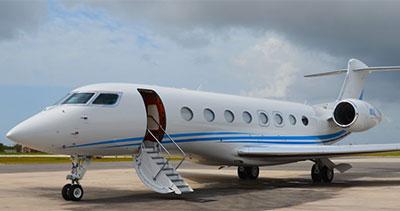
Operating a private jet offers unparalleled convenience and flexibility, but it also comes with a significant responsibility to navigate complex tax compliance requirements. For private jet operators, understanding the legal obligations surrounding tax compliance is crucial not only to avoid penalties but also to optimize tax liabilities. This guide will provide private jet operators with an in-depth overview of the tax compliance landscape, outlining key tax obligations, common challenges, and effective strategies for managing taxes in a legal and efficient manner.
The Importance of Tax Compliance for Private Jet Operators
For private jet operators, the first step in any legal aviation endeavor is understanding the tax compliance framework. Non-compliance with aviation taxes, VAT (Value Added Tax), sales tax, fuel taxes, and other aviation-related taxes can lead to severe legal consequences, including hefty fines, retroactive tax bills, and even the grounding of aircraft. Therefore, it is essential for private jet operators to establish robust tax compliance processes that align with both domestic and international tax regulations.
Tax compliance for private jet operators goes beyond merely adhering to domestic tax laws. Many operators, especially those flying internationally, must also understand international tax treaties, cross-border taxation rules, and the tax obligations of the countries they operate in. With the international nature of private jet operations, failure to comply with the appropriate laws in various jurisdictions can result in costly audits and legal battles.
Key Tax Compliance Areas for Private Jet Operators
The tax compliance requirements for private jet operators can vary widely depending on the jurisdiction, the nature of the flight (private vs. business), and the structure of the ownership. Below are the most critical tax compliance areas for private jet operators:
- Sales and Use Tax on Aircraft Purchases
When purchasing a private jet, one of the most significant tax considerations is sales tax. Most jurisdictions impose sales tax on the purchase price of aircraft, although the rate can differ significantly depending on where the aircraft is registered and operated. Some states or countries may have exemptions or reduced rates for aircraft used primarily for business purposes, while others may impose hefty tax rates on private aircraft purchases.
Private jet operators must ensure they fully understand the sales tax rules in their jurisdiction. In some cases, the tax rate could be substantial, making it essential to include this cost in the budget when purchasing or leasing an aircraft. Furthermore, jet owners need to keep track of how the aircraft is used. If the jet is used for both personal and business purposes, there may be prorated sales tax implications based on usage.
- Aviation Fuel Taxes
Another area of significant concern for private jet operators is aviation fuel taxes. Depending on the country or state, fuel taxes can either be included in the cost of the fuel or imposed separately at the time of refueling. Fuel taxes may also vary based on whether the flight is domestic or international, with international flights often exempt from certain fuel taxes.
Operators need to be aware of fuel tax exemptions that may apply to commercial or business flights. Many jurisdictions allow private jet operators to apply for refunds on fuel taxes if the aircraft is used exclusively for business purposes. Tracking fuel expenditures and ensuring accurate records are maintained can help operators claim fuel tax refunds and avoid overpayment.
- Value Added Tax (VAT) on Aircraft Purchase and Operation
In many countries, VAT is imposed on the purchase and operation of private jets. This can be particularly burdensome for private jet operators in jurisdictions with high VAT rates. However, there are often specific exemptions or reductions for business-related use. In some jurisdictions, VAT can be reclaimed if the jet is used for commercial purposes or for the transportation of employees for work-related duties.
For example, if the private jet is used to transport a company’s executives for business purposes, VAT may be deductible. Understanding the rules and keeping track of the jet’s usage can significantly impact the tax bill, making it important to seek professional advice on VAT recovery strategies.
- Property Tax on Aircraft
In some jurisdictions, private jet operators may be subject to property tax on the aircraft, especially if the aircraft is registered and based in a specific state or country. This tax can be based on the value of the jet and assessed annually. Operators should be aware of property tax rules in their home jurisdiction as well as any other location where they may base the aircraft.
For example, some U.S. states impose property taxes on aircraft, while others, like Delaware, do not. If the aircraft is primarily used for business or commercial purposes, it may be eligible for specific property tax exemptions or reductions. In any case, operators must keep careful records of where the aircraft is based and how it is used to minimize their property tax obligations.
- Income Tax for Jet Charter Operators
If a private jet operator is involved in commercial operations, such as offering charter services, income tax becomes a key consideration. In this case, the operator must comply with the corporate income tax rules of the jurisdiction in which the business is registered. This includes maintaining detailed records of all charter revenue, expenses, and depreciation of the aircraft.
Operators engaged in charter services are often subject to income tax on the revenues generated from these services. However, certain tax advantages may apply to aircraft used for business purposes, including accelerated depreciation on the aircraft and deductions for maintenance and operational costs. For those operating under a corporate structure, careful tax planning is essential to ensure compliance and optimize tax benefits.
- International Tax Considerations for Cross-Border Flights
Since private jets frequently cross borders, international tax compliance is another crucial aspect for operators to understand. Depending on the countries involved in the flight, various tax obligations may arise, such as customs duties, import taxes, and aviation-specific taxes. Many countries have entered into bilateral tax treaties that allow for the avoidance of double taxation, but understanding the specifics of these treaties is essential to avoid inadvertently triggering additional taxes.
Furthermore, countries may impose departure taxes or landing fees on aircraft operating in their airspace. These taxes are typically based on the aircraft’s weight or the distance traveled, and they can add to the cost of operating a private jet internationally. Ensuring that the proper tax obligations are met in each jurisdiction can help operators avoid fines and penalties.
- Record-Keeping and Reporting Requirements
One of the most important aspects of tax compliance for private jet operators is ensuring that all financial records are kept up to date and accurate. Operators must track not only their income and expenses but also detailed records related to aircraft usage, fuel consumption, and maintenance costs. Many jurisdictions require private jet operators to submit periodic reports or tax returns, and failure to provide accurate documentation can result in penalties.
Operators should establish a comprehensive system for recording all aircraft-related expenses, including flight logs, maintenance records, and fuel receipts. Additionally, they should consult with aviation tax professionals who are familiar with the specific reporting requirements for their jurisdiction and aircraft usage model.
- Strategies for Managing Tax Compliance Efficiently
To efficiently manage tax compliance, private jet operators should consider working with aviation tax specialists who are familiar with the nuances of international and local tax laws. A qualified tax professional can help ensure that operators are taking advantage of available exemptions, deductions, and tax treaties. Furthermore, these specialists can assist in structuring the ownership and usage of the jet to minimize tax liabilities and ensure compliance with local and international tax regulations.
By staying informed and proactive in managing their tax obligations, private jet operators can avoid unnecessary costs, streamline their operations, and ensure that they are fully compliant with tax regulations. Tax planning should be an integral part of any private jet operation to minimize risk and ensure long-term financial efficiency.
Conclusion
Navigating the complex landscape of tax compliance requirements for private jet operators requires careful planning and attention to detail. From sales tax and fuel taxes to income tax and international tax laws, there are numerous obligations that must be met in order to ensure compliance. By understanding these key areas and implementing effective tax strategies, private jet operators can minimize their tax liabilities while avoiding penalties and legal complications.
Regular consultations with aviation tax experts, keeping meticulous records, and structuring operations in a tax-efficient manner are essential steps in maintaining compliance. By prioritizing tax compliance and leveraging the appropriate legal strategies, private jet operators can enjoy the benefits of aircraft ownership without the burden of unnecessary tax exposure.