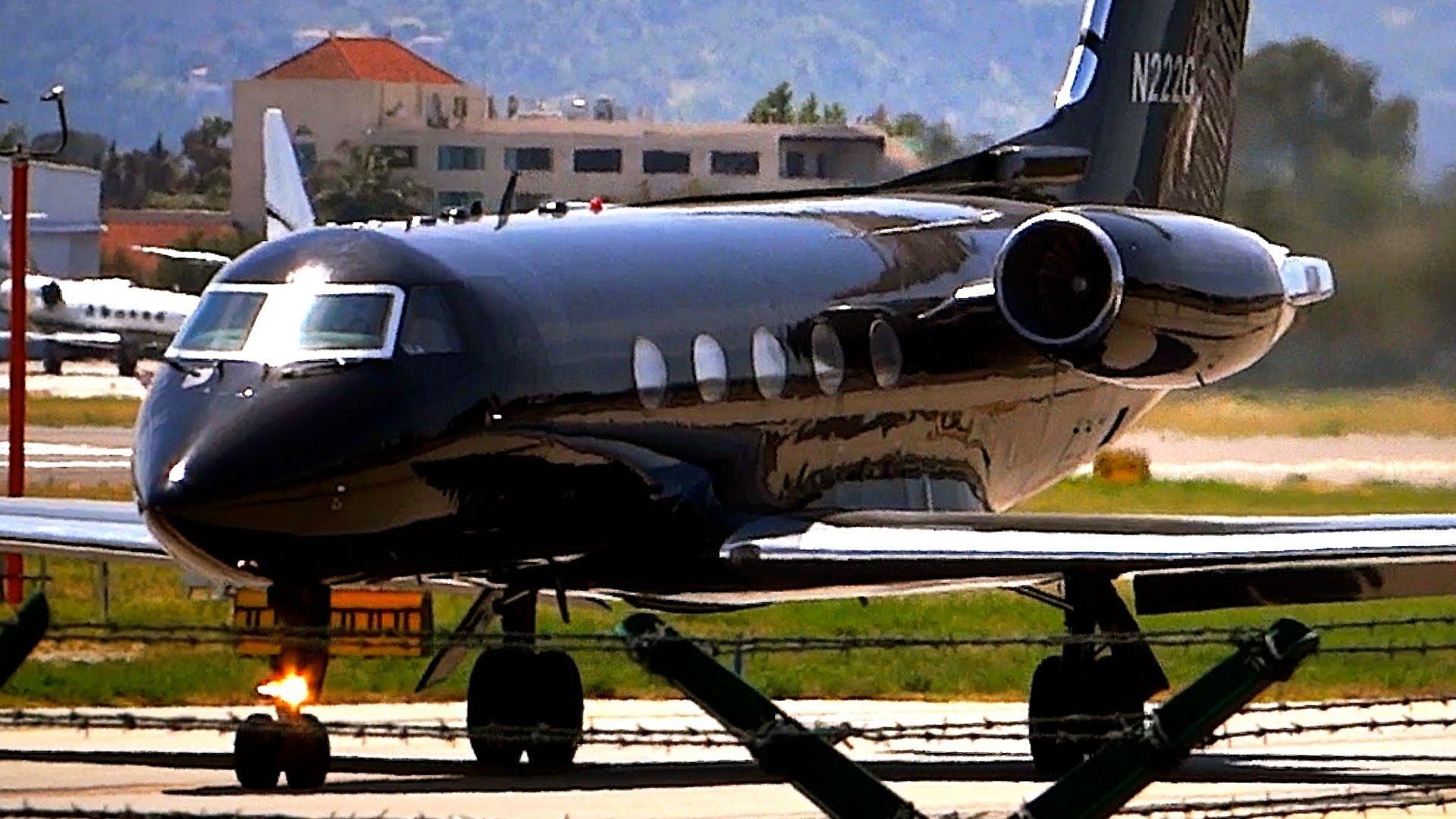
In today’s world, sustainability and environmental consciousness are more critical than ever before. As concerns about climate change and the need for carbon reduction grow, many industries are being scrutinized for their environmental impact. The aviation sector, particularly private jet travel, has come under increasing examination due to its significant carbon footprint. While private jet flying offers a very uniqueed luxury, flexibility, and convenience, it is essential to understand the environmental consequences associated with it. In this article, we will explore the carbon footprint of flying private, the factors that contribute to it, and what can be done to reduce it.
What is a Carbon Footprint?
The term “carbon footprint” refers to the total amount of greenhouse gases, primarily carbon dioxide (CO2), that are emitted directly or indirectly through human activities. These emissions are typically measured in tons of CO2 equivalent. For aviation, the carbon footprint includes all the emissions generated by an aircraft during its operation, including the fuel burned during takeoff, cruising, landing, and any additional emissions from ground operations.
The aviation industry, as a whole, contributes a significant portion to global carbon emissions. In fact, it is estimated that aviation accounts for around 2-3% of global CO2 emissions. Within that sector, private jets have a disproportionately high environmental impact due to their smaller size, fewer passengers, and less efficient fuel consumption compared to commercial flights.
Why is Flying Private More Carbon Intensive?
Private jets are significantly less fuel-efficient than commercial aircraft. Commercial airlines typically carry hundreds of passengers, meaning the carbon emissions per person are spread across a larger group. In contrast, private jets often carry fewer passengers on the same journey, resulting in a much higher carbon footprint per passenger.
Let’s break down the reasons why private jets have a larger carbon footprint:
1. Smaller Passenger Capacity
Private jets typically seat anywhere from 4 to 16 passengers, depending on the aircraft. This means that the fuel consumption is distributed across fewer people, leading to a higher carbon footprint per person. In comparison, a commercial airliner can carry hundreds of passengers, making the per-passenger emissions much lower.
2. Shorter Flight Distances
Private jet travel is often associated with shorter flights, especially for business or leisure trips. Shorter flights are less fuel-efficient because aircraft burn more fuel during takeoff and landing than they do while cruising at altitude. Commercial airlines often fly longer distances, which allows them to achieve better fuel efficiency over time.
3. Aircraft Size and Weight
Private jets are typically smaller and lighter than commercial planes, but this also means that they are designed to have fewer fuel-efficient engines and systems. Larger commercial aircraft are often equipped with advanced, more fuel-efficient engines and technology that reduce emissions. In addition, commercial aircraft are designed to carry more passengers and cargo, making them more efficient in terms of fuel consumption per person.
4. Fewer Direct Flights
Private jets often do not have the luxury of flying direct routes. They may need to divert or take less optimal flight paths due to air traffic restrictions, weather conditions, or airport availability. Commercial airlines benefit from more streamlined routes and airport hubs that optimize their fuel efficiency.
5. Increased Fuel Consumption on Tarmac
Private jets typically require more time on the tarmac before takeoff and after landing, due to shorter routes, delays, or waiting for clearance. This extended time at airports leads to more fuel consumption compared to commercial airlines, which often have pre-scheduled slots and more efficient boarding processes.
The Environmental Impact of Private Jet Travel
Private jet travel contributes disproportionately to global CO2 emissions. To put it into perspective, a single private flight can emit more carbon than an average person produces in an entire year. For example, a round-trip flight from New York to Los Angeles in a private jet can emit over 20 tons of CO2, while the same flight on a commercial airplane would emit only about 1 ton per passenger.
The carbon footprint of private jets also varies depending on the model and the distance traveled. Larger jets, such as long-range Gulfstream or Bombardier models, tend to have higher emissions because they burn more fuel per hour of flight. Shorter, lighter aircraft such as the Cessna Citation or Embraer Phenom are generally more fuel-efficient, but they still contribute significantly to carbon emissions relative to the number of passengers they carry.
How to Calculate the Carbon Footprint of Private Jet Travel
To calculate the carbon footprint of a private jet, several factors need to be considered, including the type of aircraft, the distance traveled, the number of passengers, and the overall fuel consumption. This is often calculated in terms of CO2 emissions per mile, per hour, or per passenger.
For example, the carbon footprint of a private jet flying between New York and Los Angeles (approximately 2,500 miles) on a Gulfstream G550 can be up to 20 tons of CO2, depending on the aircraft’s weight, fuel consumption, and route optimization. In comparison, a commercial airline would emit about 1 ton per passenger on the same route, which makes private aviation far more carbon-intensive.
Many carbon offset calculators are available online, designed specifically for private jet owners and operators to estimate the carbon emissions of their flights. These tools allow individuals and businesses to better understand the environmental impact of their travel and explore ways to mitigate it.
Reducing the Carbon Footprint of Private Jet Travel
While flying privately will always have a larger carbon footprint than flying commercially, there are several strategies that can help reduce the environmental impact of private jet travel.
1. Choose Sustainable Aviation Fuel (SAF)
Sustainable Aviation Fuel (SAF) is a renewable alternative to traditional jet fuel that is derived from sustainable sources such as algae, agricultural waste, and even municipal waste. SAF has the potential to significantly reduce the carbon emissions of private jet travel, by up to 80% over its lifecycle, making it one of the most promising solutions for reducing the aviation sector’s impact on the environment.
Several private jet operators, such as NetJets, have begun incorporating SAF into their fleets. While SAF is still more expensive than traditional jet fuel and not yet widely available at all airports, demand for SAF is growing, and it is expected to become more accessible as production increases.
2. Offset Carbon Emissions
Carbon offsetting involves investing in projects that reduce or capture carbon emissions, such as reforestation, renewable energy projects, and methane capture programs. Many private jet companies offer carbon offset programs that allow passengers to offset the emissions generated by their flights. By purchasing carbon credits, you can contribute to projects that reduce greenhouse gas emissions elsewhere, essentially neutralizing the impact of your flight.
While carbon offsetting does not eliminate emissions entirely, it is a practical way to mitigate the environmental effects of private aviation. It’s important to ensure that the offset programs you choose are transparent and reputable, with verifiable results.
3. Optimize Flight Routes and Use More Efficient Aircraft
One of the simplest ways to reduce the carbon footprint of private jet travel is by optimizing flight routes. Many private jet operators use advanced software and satellite technology to calculate the most fuel-efficient routes. In addition, aircraft with more efficient engines and lighter frames are typically less fuel-intensive.
Opting for smaller aircraft for short trips can also help reduce emissions. For instance, a light jet such as the Cessna Citation Mustang consumes less fuel per passenger than a large, long-range jet like the Gulfstream G650, making it a more environmentally friendly option for shorter journeys.
4. Fly Less Frequently or Share Flights
Another way to reduce the carbon footprint of private jet travel is by flying less frequently. If possible, consider consolidating your trips or using commercial flights for shorter journeys. For business travelers, using video conferencing for meetings instead of flying can significantly reduce emissions.
Additionally, some private jet owners are opting for shared flights or fractional jet ownership programs, where multiple people share the use of a jet, reducing the overall environmental impact per person.
5. Maintain the Aircraft Regularly
Proper maintenance of private jets is essential to ensuring that they operate at peak efficiency. Aircraft that are poorly maintained may experience inefficiencies in fuel consumption, leading to increased emissions. Regular maintenance, including timely engine overhauls and airframe inspections, helps to optimize the fuel efficiency and lifespan of the aircraft, reducing its environmental impact in the long run.
The Future of Private Jet Travel and Sustainability
As awareness of climate change continues to grow, the private jet industry is increasingly investing in sustainable technologies. From the development of SAF to the exploration of electric and hybrid aircraft, the future of private aviation is shifting toward more eco-friendly solutions.
Electric aircraft, for example, are being developed by companies like Alice by Israeli startup Aviation, which aims to produce a fully electric regional jet capable of carrying up to 9 passengers. Though still in the early stages of development, electric jets could represent a significant leap forward in reducing the carbon footprint of private aviation.
Additionally, the aviation industry is working to improve air traffic management systems, making flight paths more efficient and minimizing fuel consumption during takeoff and landing. These advancements, combined with greater use of SAF and electric aircraft, offer hope for a more sustainable future for private jet travel.
Conclusion
The carbon footprint of flying private is significant, but it doesn’t have to be an unavoidable consequence. By choosing more sustainable practices such as using sustainable aviation fuel, offsetting carbon emissions, and optimizing flight operations, private jet owners and passengers can dramatically reduce the environmental impact of their travel. As technology continues to evolve, the private aviation sector has the potential to become a leader in sustainability, offering luxurious travel experiences that are also environmentally responsible.
While there is no single solution to completely eliminating the carbon footprint of private jet travel, every step toward sustainability contributes to a cleaner, greener future for the aviation industry.