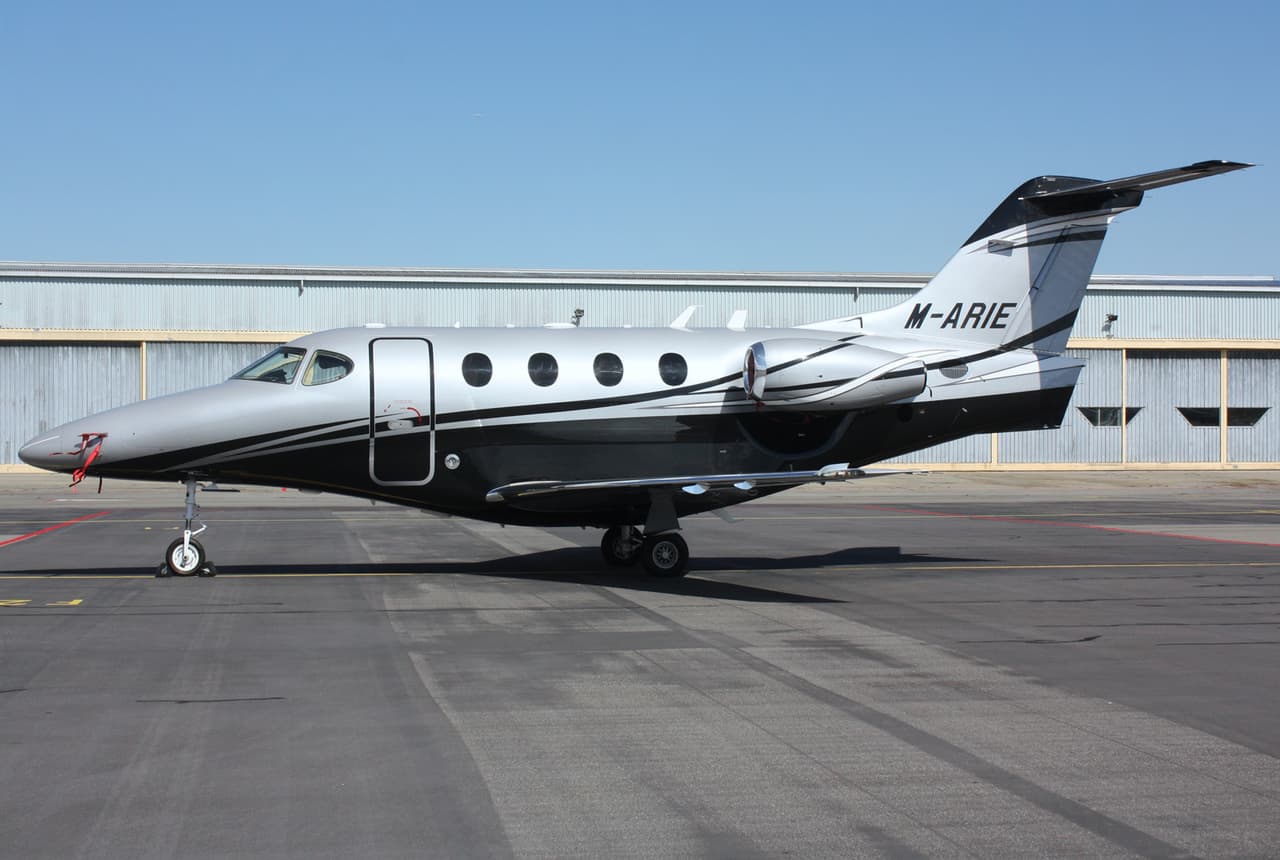
Private jet ownership can be an appealing prospect for many individuals and businesses looking to invest in luxury, convenience, and operational efficiency. However, financing such an acquisition involves navigating a complex web of tax laws and financing structures. Understanding how tax legislation impacts private jet financing is crucial for ensuring that the deal is financially viable, legally compliant, and strategically advantageous.
In this legal guide, we will delve into the various ways that tax legislation affects private jet financing. From interest rate deductions and tax incentives to ownership structures, we’ll examine the legal considerations that investors and owners should be aware of when financing their private jets. Whether you’re a first-time buyer or a seasoned investor, understanding the tax implications can significantly influence your financial decisions and help you unlock the full potential of private jet ownership.
- How Tax Legislation Affects Private Jet Financing
The purchase and financing of a private jet are not just about securing the best deal with the lowest interest rates. Several tax considerations play a pivotal role in shaping the terms and structure of the financing. Whether you’re financing through a traditional loan, a lease agreement, or a tax-efficient ownership structure, understanding these tax considerations is essential.
1.1. Interest Deductibility on Private Jet Financing
In many jurisdictions, the interest paid on loans used to finance a private jet is deductible for tax purposes, provided the jet is used for business purposes. This tax benefit can significantly reduce the total cost of ownership over time. The key factors to consider regarding interest deductibility include:
- Business Use: If the private jet is used for business purposes, including corporate travel, client meetings, or generating income, the interest on the financing is often deductible as a business expense. The more the jet is used for business activities, the greater the potential deduction.
- Ownership Structure: The ownership structure (e.g., leasing through a company or holding it in a trust) can affect whether the interest is deductible. It’s essential to work with a tax professional to ensure that the financing structure is optimized for tax deductibility.
- Proportional Use: If the jet is used for both personal and business purposes, the tax deduction will generally apply only to the portion of the financing related to business use. Accurate record-keeping and flight logs are essential for substantiating the business use of the aircraft.
1.2. Sales Tax and VAT Considerations
Sales tax and Value Added Tax (VAT) can have a significant impact on private jet financing, especially in international transactions. In many countries, the purchase of a private jet is subject to sales tax or VAT. Understanding how these taxes are structured is crucial for financing decisions.
- Tax Exemptions: Some jurisdictions offer VAT exemptions or reductions for aircraft purchases made for specific business purposes or when the jet will be used for international travel. If you’re financing a private jet, understanding the VAT rules can help reduce the upfront costs of acquisition.
- Cross-Border Sales Tax: When purchasing or financing a private jet across borders, the tax treatment can vary. It’s important to know whether the country of purchase imposes sales tax or VAT and whether these taxes will apply if the jet is registered in another jurisdiction.
- Tax Refunds: In some cases, it may be possible to recover the VAT or sales tax on a private jet purchase through tax refund programs. This requires understanding the specific legal requirements for obtaining refunds in different jurisdictions.
1.3. Depreciation and Tax Deductions
One of the most significant tax advantages for private jet owners is the ability to depreciate the value of the aircraft. Depreciation allows owners to deduct a portion of the jet’s purchase price each year, which can lead to substantial tax savings.
- Accelerated Depreciation: In many jurisdictions, private jets are eligible for accelerated depreciation under the Modified Accelerated Cost Recovery System (MACRS) in the United States or similar tax laws in other countries. This allows jet owners to depreciate the aircraft over a period of years, usually 5 to 7 years, depending on the jurisdiction.
- Tax Credits and Incentives: Some regions offer tax credits or additional incentives for aircraft purchases that are used for certain purposes, such as green aviation (low-emission aircraft) or business-related use. These incentives can provide immediate tax savings that reduce the overall financing burden.
- Business Use Impact: Depreciation deductions are generally allowed for jets used primarily for business purposes. If the aircraft is used for personal reasons, depreciation might be limited or unavailable, so it’s critical to ensure proper documentation and classification of the jet’s use.
1.4. Lease Financing and Tax Implications
Many private jet owners opt for lease financing, where the aircraft is leased to the buyer with the option to purchase at the end of the lease term. Leasing provides certain tax advantages depending on the structure of the lease and the owner’s intended use of the jet.
- Operating Leases vs. Finance Leases: In an operating lease, the lease payments are typically considered a business expense, and may be fully deductible for tax purposes. In a finance lease, the aircraft is considered a depreciable asset, allowing the owner to claim depreciation deductions in addition to interest deductions.
- Taxable Income: If the private jet is leased out to generate income (e.g., through charter services), the lease payments received may be subject to tax. However, the expenses related to the lease (such as maintenance, insurance, and fuel) can generally be deducted from taxable income.
1.5. Impact of Tax Laws on International Financing
For individuals or businesses financing a private jet internationally, it is essential to understand how different tax laws will impact the transaction. Private jet financing across borders introduces several complexities, including:
- Cross-Border VAT: When financing a jet in a country with a high VAT rate, owners may face significant upfront costs. Understanding international tax treaties and VAT refunds is essential for minimizing these costs.
- Country-Specific Deductions: Different countries have varying rules for deducting financing costs. While some allow depreciation of the jet for tax purposes, others may offer limited or no deductions. Each jurisdiction’s treatment of lease payments, interest, and other financing-related costs will affect the financing terms.
- Key Considerations When Financing a Private Jet
When financing a private jet, there are several key tax and legal considerations that can impact the financing structure and overall cost of ownership:
2.1. Tax Efficiency of Financing Structures
- Secured Loans: Loans secured by the jet can offer lower interest rates but may limit the ability to structure the financing in a tax-efficient manner. Consider how the loan will impact your overall tax situation and explore other financing options if needed.
- Asset-backed Financing: Another option is asset-backed financing, where the private jet is used as collateral for the loan. This type of financing can potentially offer more favorable terms and tax deductions.
- Aircraft Financing Partnerships: Some owners might choose to partner with others to finance a jet. These partnerships can provide tax benefits related to shared ownership, and the partners can divide costs and financing burdens while benefiting from collective tax deductions.
2.2. Legal Compliance with Financing Laws
Compliance with both local and international tax laws is crucial when financing a private jet. Tax authorities are vigilant in monitoring aviation-related transactions, and improper structuring of financing or failure to properly report business use can result in penalties and interest.
- Documenting Business Use: Owners should maintain comprehensive documentation of the aircraft’s usage, especially if the jet is used for both business and personal purposes. This documentation will be essential for tax filings and defending any potential audits.
- Cross-Border Regulatory Compliance: When financing a private jet internationally, it’s important to comply with both local and international tax regulations. Ensure that your financing structure adheres to international aviation and tax laws to avoid complications.
- Conclusion
Navigating the complex world of private jet financing requires a thorough understanding of the tax implications that can affect the overall cost and structure of the deal. From securing tax deductions on interest payments to utilizing accelerated depreciation, creative financing strategies can help reduce tax liabilities and enhance the financial feasibility of jet ownership.
By structuring your financing arrangements with careful attention to tax laws, including sales tax, VAT, and depreciation rules, you can optimize your financing options and ensure compliance with all relevant tax regulations. Whether you are a first-time buyer or a seasoned investor, consulting with aviation finance and tax professionals is crucial to making the most of your investment while staying compliant with ever-evolving tax legislation.
With the right strategy, you can enjoy the benefits of private jet ownership while minimizing your financial exposure and ensuring a smooth, cost-effective financing process.