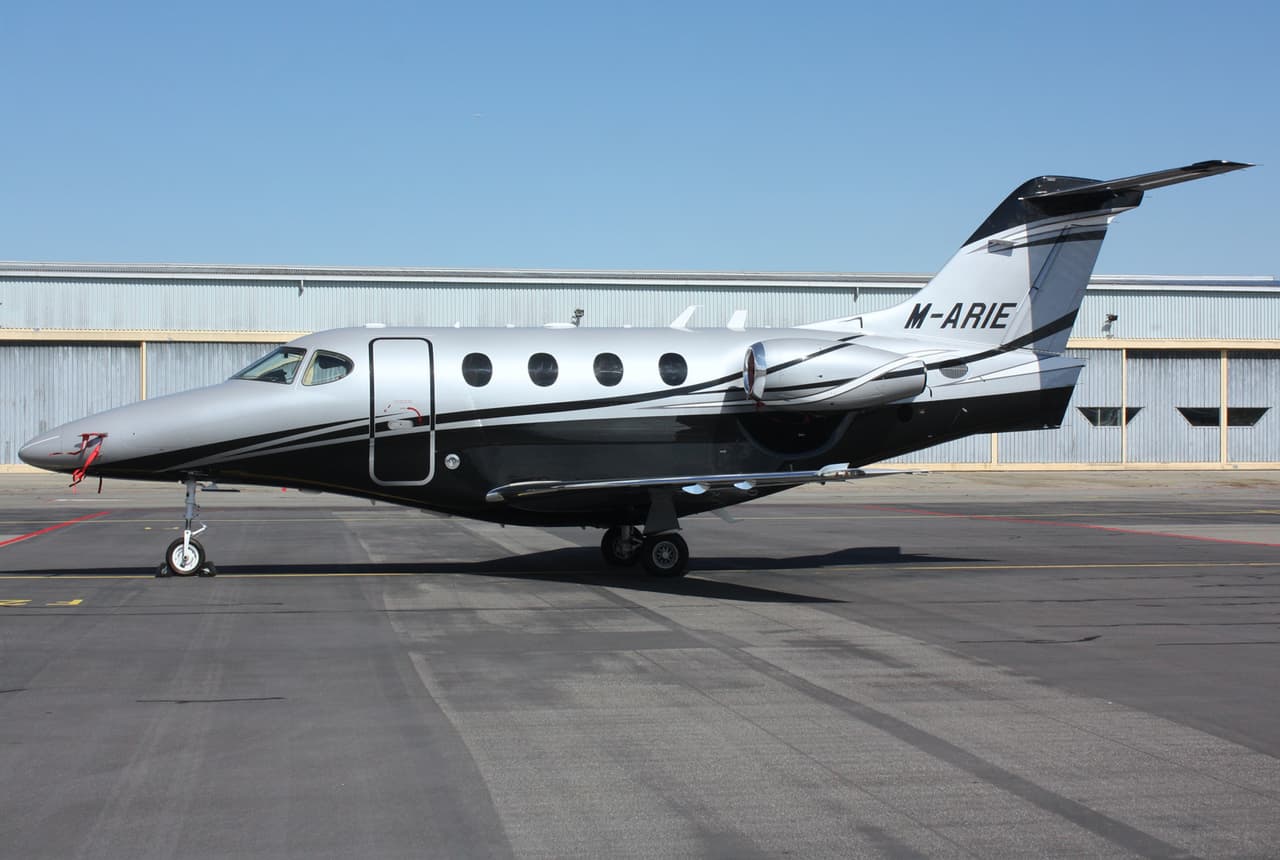
Beechcraft Premier1
Private jets represent a significant investment, and navigating the complex landscape of tax law and financing options is essential for maximizing the financial benefits of aircraft ownership. While the allure of luxury aircraft ownership is undeniable, understanding how tax laws impact financing decisions, and vice versa, can ensure that owners make informed, cost-effective choices. In this article, we’ll explore how tax law intersects with private jet financing, providing a comprehensive legal perspective on the strategies and considerations that affect your bottom line.
- Tax Considerations in Private Jet Financing
The manner in which you finance a private jet can significantly influence the tax implications of ownership. Tax laws provide opportunities to offset some of the costs associated with jet ownership, but how you structure your financing arrangement can impact your ability to take advantage of these benefits.
- Interest Deduction on Loans
When financing the purchase of a private jet, the interest payments on the loan may be deductible if the aircraft is used for business purposes. The Internal Revenue Code allows businesses to deduct interest expenses related to loans for assets used in the course of business operations.
- Business Use Requirement: To qualify for interest deductions, the aircraft must be used more than 50% for business purposes. This includes corporate travel, client meetings, and other business-related activities.
- Interest Rate and Terms: The terms of your financing agreement should be carefully considered, as favorable loan terms can increase the amount of interest that may be deducted.
- Depreciation Deductions
One of the most significant tax benefits available to private jet owners is the ability to depreciate the aircraft over a period of years. The manner in which the jet is financed can affect how depreciation is handled.
- Purchase Financing: If the jet is purchased with a loan, the owner can still take advantage of depreciation deductions, but the amount deducted each year will depend on the purchase price, business use, and the depreciation method chosen.
- Lease Financing: In cases where the aircraft is leased rather than purchased, the lessee may be able to deduct lease payments as a business expense, rather than depreciating the asset.
- Ownership Structures for Maximizing Tax Efficiency
The ownership structure of your private jet plays a crucial role in determining the tax benefits you can access. Several legal structures can optimize tax savings, each with unique advantages depending on the financing arrangement and how the jet will be used.
- LLC Ownership and Financing
Many private jet owners opt to form a Limited Liability Company (LLC) to purchase and finance the aircraft. This structure provides legal protection and tax benefits, especially when the jet is used for business purposes.
- Business Deductions: An LLC can take advantage of business deductions, including depreciation, interest on loans, and operational expenses.
- LLC Financing: Financing through an LLC can allow for a greater degree of flexibility in structuring payments and loan terms. The LLC can also allow for multiple parties to co-own the jet, sharing the tax benefits and responsibilities.
- Corporate Ownership
Corporations often purchase jets for executive or business travel. This ownership structure offers several advantages in terms of both financing and tax savings.
- Tax Deductibility: The aircraft can be fully expensed as a business asset, allowing the corporation to deduct depreciation, loan interest, and operating expenses.
- Flexible Financing Options: Corporations can take advantage of more favorable financing terms, including corporate loans with lower interest rates, to purchase a jet. In some cases, financing terms may be more advantageous compared to individual or LLC ownership.
- Trust Ownership
Placing a jet in a trust may provide substantial tax benefits, particularly for estate planning purposes. Trusts can also provide a flexible structure for financing the purchase and maintaining the aircraft.
- Tax Benefits: Depending on the structure of the trust, the jet can be depreciated, and expenses related to its use can be deducted, while also reducing the estate tax liability for the trust’s beneficiaries.
- Financing through a Trust: Trusts can finance aircraft purchases using their assets or secure loans for the jet. However, financing terms may vary depending on the type of trust and its legal structure.
- The Impact of Sales Tax and VAT
Sales tax and Value Added Tax (VAT) are important considerations when financing a private jet. These taxes can significantly increase the upfront cost of the aircraft, but there are strategies to mitigate these costs.
- Sales Tax on Jet Purchases
Sales tax is often applied to the purchase of a jet, which can increase the total cost. However, various states and countries offer exemptions or reductions for business use.
- State-Specific Exemptions: In the U.S., certain states, such as Delaware and Nevada, do not impose sales tax on aircraft purchases, making them attractive jurisdictions for jet owners.
- International Tax Considerations: For international buyers, VAT is a key consideration. Many European countries impose VAT on the sale of private jets, but there are ways to reduce or defer VAT, particularly if the aircraft is used for international travel or primarily for business.
- Structuring Financing to Minimize Sales Tax Impact
When financing a jet purchase, structuring the transaction through an LLC or corporation may allow for sales tax exemptions or reductions, depending on the jurisdiction. Some countries also allow VAT exemptions if the jet is used for business purposes, further optimizing financing strategies.
- Lease Financing and Tax Benefits
Lease financing offers a flexible alternative to traditional loan-based purchases. Leasing a private jet can provide tax advantages, particularly for businesses that need to preserve capital or prefer predictable expenses.
- Operating Lease vs. Capital Lease
The choice between an operating lease and a capital lease can have a significant impact on the tax treatment of the aircraft.
- Operating Lease: In an operating lease, the jet is rented for a set period, and the lease payments are considered business expenses that are fully deductible. The owner retains the title to the aircraft, which allows for depreciation deductions.
- Capital Lease: A capital lease is structured more like a purchase, where the lessee effectively assumes ownership of the aircraft at the end of the lease term. While the lessee can take advantage of depreciation deductions, the tax benefits differ based on the ownership structure and lease terms.
- Leaseback Arrangements for Financing
A leaseback arrangement allows a jet owner to sell the aircraft to a leasing company, then lease it back for personal or business use. This can generate capital for the owner while still providing the benefits of jet ownership, including tax deductions.
- Generate Income: Leaseback arrangements can provide a source of income for the owner while offsetting operational costs. The lease payments made by the owner are tax-deductible.
- Tax Optimization: By leasing the aircraft back, the owner can continue to enjoy the tax benefits of owning a private jet, such as deductions on depreciation and operational expenses, while reducing the overall cost of ownership.
- International Considerations in Jet Financing
For owners operating internationally, cross-border tax laws and financing options can complicate the process of acquiring and financing a jet. It’s important to consider international tax treaties, VAT exemptions, and financing structures that can minimize tax exposure.
- International Tax Compliance
Owners of private jets operating internationally must comply with various international tax regulations. This includes understanding the tax treatment of leasing, financing, and depreciation in different jurisdictions.
- Tax Treaties: Many countries have tax treaties that provide relief from double taxation. Owners must carefully navigate these treaties to ensure they maximize their tax benefits.
- Cross-Border Financing: Financing arrangements that involve multiple countries may require specialized legal expertise to ensure that the structure is tax-efficient and compliant with all applicable laws.
Conclusion
Understanding the intersection of tax law and private jet financing is critical for optimizing the financial benefits of aircraft ownership. By carefully selecting the right financing options, ownership structures, and tax strategies, jet owners can reduce their tax liabilities and increase the value of their investment. Whether you are considering a loan, lease, or international financing arrangement, it’s essential to consult with aviation finance and tax experts to develop a comprehensive plan that aligns with your financial goals.
With the right approach, private jet ownership can provide substantial financial rewards, both in terms of tax savings and long-term value.