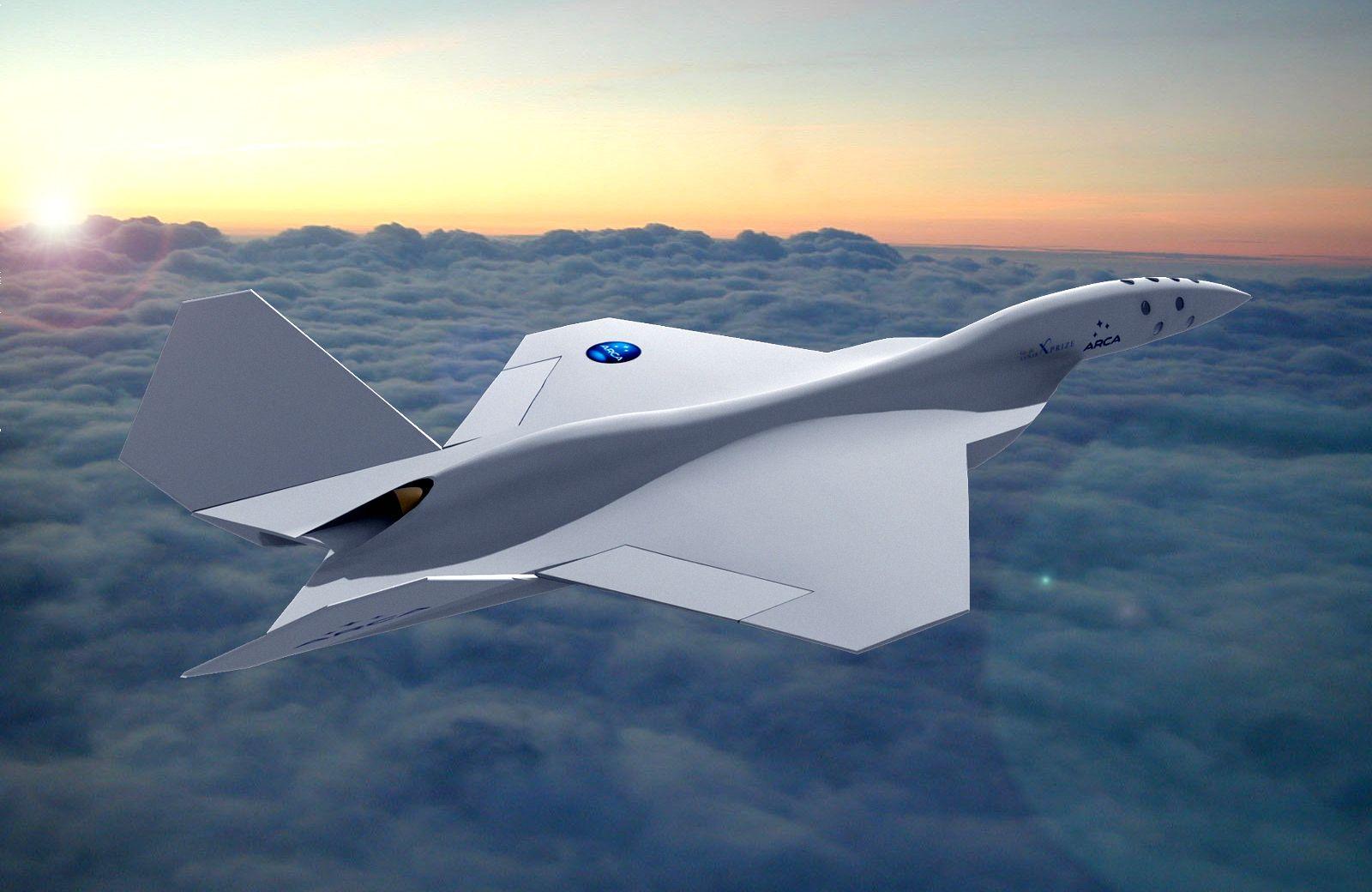
When it comes to private jet ownership, tax incentives can be a significant factor in making such a luxury purchase more financially viable. However, understanding the legal implications behind these tax incentives is essential to ensure compliance and optimize benefits. The world of aviation taxation is complex, with various rules, credits, and deductions that can reduce costs, but there are also potential risks and challenges that owners and businesses must navigate.
This creative analysis aims to provide a detailed understanding of how to take full advantage of private jet tax incentives while exploring the legal aspects, compliance issues, and potential pitfalls. From depreciation strategies to the application of business use deductions, this guide outlines the most important considerations for any private jet owner looking to optimize their tax situation.
1. Introduction to Private Jet Tax Incentives
Private jets are an expensive asset, and the associated operating costs—fuel, maintenance, crew, hangar fees—can add up quickly. However, a well-structured tax strategy can help offset these costs. Tax incentives are designed to reduce the burden on businesses and individuals who use private jets primarily for business purposes.
These incentives can come in various forms, such as tax credits, accelerated depreciation, and exemptions from certain state taxes. The core idea behind these incentives is to encourage business owners to use aircraft for professional purposes, fostering efficiency, productivity, and overall economic growth. However, while these incentives can provide major tax savings, their legal implications must be understood in detail.
2. Depreciation of Private Jets: The Legal Implications
One of the most significant tax incentives available to private jet owners is depreciation. Under IRS rules, aircraft can be depreciated, meaning owners can deduct a portion of the aircraft’s value from their taxable income each year. This can reduce the tax burden significantly, especially in the initial years of ownership.
a) The Modified Accelerated Cost Recovery System (MACRS)
Under the Modified Accelerated Cost Recovery System (MACRS), private jets are typically classified as 5-year property, allowing owners to depreciate the aircraft over five years. This is an advantageous tax strategy for those who want to recover a significant portion of the purchase cost quickly.
- The Legal Aspect of MACRS: To take advantage of MACRS, the aircraft must be used for business purposes more than 50% of the time. If the aircraft is used for personal purposes as well, the depreciation will need to be prorated based on the percentage of business use. The legal implications of misreporting the business-use percentage can lead to costly penalties and potential audits.
- Section 179 Deductions: In addition to MACRS, Section 179 of the IRS Tax Code allows for a significant tax deduction in the first year of ownership, provided the jet is used primarily for business purposes. This option enables owners to deduct up to the full cost of the aircraft (up to certain limits). However, it comes with specific requirements and restrictions, particularly regarding the aircraft’s business use and its eligibility for deduction.
b) The Risks of Aggressive Depreciation Claims
While depreciation offers substantial tax benefits, aggressive claims can be problematic. If an aircraft is used for both personal and business purposes, it’s essential to allocate its usage correctly. Overestimating the percentage of business use can lead to potential legal disputes or IRS audits. Additionally, when an aircraft is sold or transferred, the depreciation must be recaptured, leading to a possible tax liability. Owners must ensure that their depreciation strategy aligns with both the IRS regulations and the actual use of the aircraft.
3. Bonus Depreciation: Taking Advantage of the TCJA
Another key incentive available to private jet owners is bonus depreciation, which was significantly enhanced under the Tax Cuts and Jobs Act (TCJA). Bonus depreciation allows businesses to depreciate 100% of the cost of a new or used jet in the first year of ownership, potentially saving a substantial amount in taxes.
a) Understanding the Legal Requirements
To qualify for bonus depreciation, the jet must be used for business purposes at least 50% of the time. The aircraft must also be placed in service by the end of the tax year in which the deduction is claimed. While the law provides for 100% depreciation for aircraft placed into service after September 27, 2017, it’s important to note that this provision is scheduled to phase down starting in 2023, meaning that the full 100% deduction will be available for only a limited time.
- Legal Implications of Bonus Depreciation: As with regular depreciation, bonus depreciation requires accurate documentation of business versus personal use. Furthermore, if the aircraft is sold or the ownership structure changes, a recapture tax may be triggered, meaning the benefits of depreciation will be reversed and taxed.
b) International Implications of Bonus Depreciation
For owners with international holdings or those flying internationally, bonus depreciation has additional complexities. International tax laws may impact the ability to claim this deduction, depending on where the aircraft is based and where it operates. Therefore, careful planning and consultation with tax professionals specializing in cross-border taxation are essential to ensure the legal legitimacy of claiming bonus depreciation in these circumstances.
4. Sales and Use Tax Exemptions
While federal tax laws play a significant role in the taxation of private jets, sales and use tax is another important area to consider. Some states in the U.S. offer sales tax exemptions for aircraft used for business purposes, which can significantly lower the overall cost of purchasing a jet.
a) State Sales Tax Exemptions
States such as Florida, Texas, and California have specific exemptions or reduced rates for aircraft purchases if the aircraft is primarily used for business purposes. These exemptions are typically subject to documentation and proof that the aircraft will be used for qualifying activities.
- Legal Considerations: When claiming these exemptions, the owner must ensure that the use of the aircraft is well-documented, and that the tax rules in the state of purchase are correctly applied. Failure to comply with state tax laws can result in penalties and interest on any unpaid taxes.
b) Use Tax on Aircraft Transportation
Even if an aircraft is exempt from sales tax, it may still be subject to use tax when it travels across state lines or into different jurisdictions. The use tax generally applies to goods purchased outside of a state but used within the state. Private jet owners must be aware of how use tax laws apply to their specific aircraft operations, especially when traveling to multiple states or countries.
5. Legal Considerations for Fractional Ownership and Leasing
Fractional ownership or leasing of private jets offers another creative way to optimize tax incentives. These arrangements often provide an opportunity to share the costs of purchasing and operating a jet, while also allowing owners to claim tax benefits based on their share of business usage.
a) Fractional Ownership Structures
In fractional ownership, a group of investors owns a percentage of the aircraft, typically through a limited liability company (LLC) or similar entity. This structure enables the owners to share the operating expenses and depreciation deductions in proportion to their share of ownership.
- Legal Implications: When engaging in fractional ownership, it’s crucial to ensure that the aircraft is properly categorized as business-use and that the tax benefits are appropriately allocated to each owner. Misclassification of usage could result in legal challenges and penalties.
b) Leasing Aircraft to a Business
Leasing an aircraft to a business is another popular strategy for reducing tax liabilities. By leasing the aircraft to another party or entity, owners can earn lease income, which may be taxed differently than other forms of income. This income can offset the operating costs, and in some cases, lease payments can be deducted by the lessee as a business expense.
- Legal Risks and Opportunities: Leasing arrangements can be complex, and there are various rules governing the tax treatment of lease income. Legal experts must ensure that these arrangements are structured properly to avoid the potential for audit or tax penalties.
6. Compliance and Risk Management
Navigating the legal complexities of private jet tax incentives requires a proactive approach to compliance. Owners and businesses must be prepared for potential IRS audits and other regulatory scrutiny. Some steps to mitigate risk include:
- Recordkeeping: Maintain detailed records of flight logs, business vs. personal usage, and any documentation supporting tax claims.
- Consultation with Experts: Work with aviation tax attorneys and accountants to ensure that the tax strategy is legally sound and compliant with federal and state laws.
- Review and Update: Regularly review tax structures and incentive strategies to ensure that they remain compliant as tax laws evolve.
7. Conclusion
Understanding the legal implications of private jet tax incentives is essential for optimizing savings and avoiding costly errors. From depreciation to sales tax exemptions and bonus depreciation, there are various strategies that can be used to reduce the financial burden of owning a private jet. However, the legal landscape is complex, and careful planning and consultation with professionals are required to ensure compliance and maximize benefits. With the right approach, private jet owners can enjoy significant tax savings while maintaining legal and financial integrity.