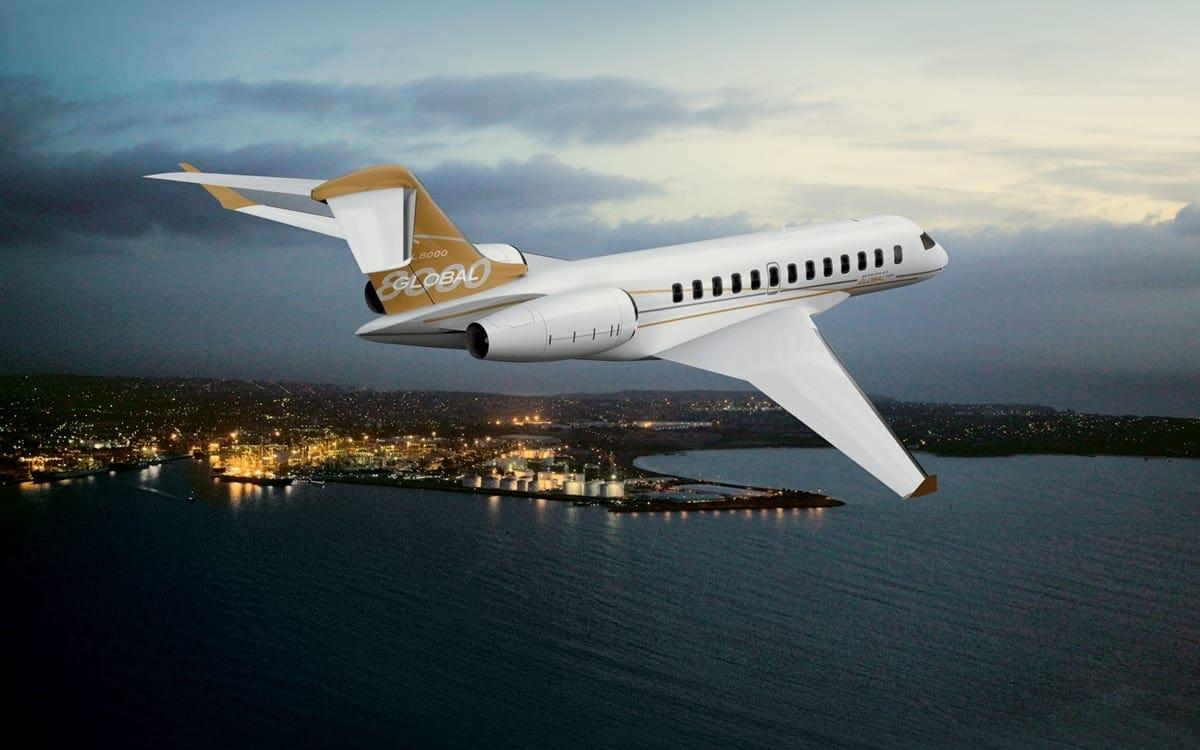
In this article, we will explore the concept of vertical takeoff private jets, the potential benefits they offer, the technological advancements that make them feasible, and the impact they could have on urban travel. The question is no longer if we will have vertical takeoff jets, but when they will become a reality, revolutionizing the way we navigate cities and regions.
What Are Vertical Takeoff and Landing Aircraft?
Vertical takeoff and landing (VTOL) aircraft are designed to take off and land vertically, unlike conventional aircraft that require long runways for horizontal takeoff and landing. VTOL technology allows for more flexibility, as these aircraft can operate from smaller spaces, such as rooftops, urban helipads, or even small landing pads in dense city environments.
There are two primary types of VTOL aircraft:
- Helicopters: Traditional helicopters use rotating blades to create lift, allowing them to take off and land vertically. While helicopters have been widely used for urban air travel, they have limitations, including high noise levels, limited speed, and relatively low efficiency.
- Electric Vertical Takeoff and Landing (eVTOL) Aircraft: The next generation of VTOL aircraft, eVTOLs, are powered by electric motors and typically feature multiple rotors or fans. These aircraft are quieter, more efficient, and more environmentally friendly than their helicopter counterparts, making them ideal for urban environments where noise pollution and sustainability are growing concerns.
The future of private jet travel may involve a combination of both technologies, where traditional jets are enhanced with VTOL capabilities, allowing them to operate in urban areas without the need for massive airports or runways.
The Technological Advancements Enabling Vertical Takeoff Private Jets
While the idea of vertical takeoff private jets may seem futuristic, several key technologies are already in development to make them a reality. The combination of electric propulsion, lightweight materials, and advanced flight control systems is driving this transformation. Let’s explore the most important technologies behind VTOL private jets:
- Electric Propulsion Systems
One of the biggest advancements in VTOL aircraft is the development of electric propulsion systems. These systems use electric motors to drive rotors or fans, replacing traditional combustion engines. Electric propulsion offers several advantages:
Reduced noise: Electric motors are significantly quieter than combustion engines, which is especially important in urban areas where noise pollution is a concern.
Environmental benefits: Electric-powered aircraft produce zero emissions, making them an eco-friendly option for urban air mobility.
Lower operating costs: Electric engines are generally more efficient and cost-effective to maintain compared to traditional jet engines, potentially reducing the overall cost of private jet travel.
As electric battery technology improves, eVTOL aircraft will become more practical for urban jet travel, with longer ranges, higher speeds, and greater passenger capacity.
- Advanced Materials and Lightweight Construction
The success of vertical takeoff private jets will depend on the ability to build lightweight, yet durable, aircraft. Thanks to advancements in materials science, it’s now possible to create aerodynamically efficient, strong, and lightweight structures for VTOL aircraft.
Graphene and carbon fiber composites are examples of materials that can reduce the weight of the aircraft while maintaining structural integrity. These materials are already being used in the aerospace industry for other applications, and their use in VTOL jets could improve overall performance and efficiency. Lighter aircraft are more efficient and can carry more passengers or cargo over greater distances.
- Distributed Propulsion Systems
Traditional jets rely on a single large engine to generate thrust, but VTOL aircraft, especially eVTOLs, use distributed propulsion systems. This means that instead of a single large engine, multiple smaller rotors or fans are distributed throughout the aircraft. These distributed systems provide several advantages:
Vertical lift and horizontal flight: The ability to generate vertical lift while also achieving horizontal thrust allows VTOL aircraft to transition smoothly from hovering to forward flight, enabling them to travel long distances.
Redundancy: Multiple rotors or fans ensure that the aircraft can continue flying safely even if one or more components fail.
Improved efficiency: Distributed propulsion systems allow for better energy efficiency, as the aircraft can adjust the number of active rotors based on the current flight phase, optimizing power usage.
Distributed propulsion is key to enabling vertical takeoff private jets to operate in dense urban environments while achieving high speeds during long-distance travel.
- Autonomous Flight and AI Navigation
As autonomous technology continues to evolve, artificial intelligence (AI) and machine learning algorithms will play a crucial role in autonomous VTOL private jets. AI systems will allow the aircraft to navigate through urban airspace, avoid obstacles, and optimize flight paths without human intervention.
Autonomous flight is particularly important in urban environments, where there is a high volume of air traffic, and quick, dynamic decision-making is necessary to avoid collisions and ensure smooth operations. AI will enable real-time data processing from sensors, cameras, and radar systems, helping to adjust flight paths based on weather conditions, other aircraft, and urban obstacles.
The integration of AI in vertical takeoff private jets will likely lead to fully autonomous aircraft, where passengers can simply input their destination, and the aircraft handles the rest of the journey.
The Benefits of Vertical Takeoff Private Jets for Urban Travel
The arrival of vertical takeoff private jets promises to revolutionize urban mobility, offering numerous benefits over traditional ground transportation and conventional aviation:
- Faster Travel Times
One of the most significant advantages of VTOL jets is the potential for faster travel times. With the ability to take off and land vertically, these jets can bypass congested roads and traffic, offering direct routes between urban hubs. Whether it’s traveling from a city center to an airport or going between two major urban areas, VTOL jets could reduce travel times drastically, providing a more efficient means of getting from point A to point B.
Imagine being able to hop into a vertical takeoff jet and avoid hours of traffic jams on highways, all while traveling at speeds that are faster than conventional helicopters. These jets could make urban commutes a breeze, saving time and improving overall productivity.
- More Convenient Access
Vertical takeoff private jets would also offer more convenient access to air travel, particularly in densely populated areas where traditional airports are far away or difficult to reach. These jets can take off and land at smaller urban pads or rooftops, eliminating the need to travel long distances to the nearest airport. This means that private jet travel will become more accessible to a wider range of people, especially in major cities where space is limited.
- Reduced Environmental Impact
As mentioned earlier, electric propulsion systems significantly reduce the environmental impact of private aviation. Vertical takeoff private jets, especially eVTOLs, are environmentally friendly, producing zero emissions and offering a cleaner alternative to traditional aviation. This is especially important as cities strive to meet sustainability goals and reduce their carbon footprints.
- Enhanced Urban Air Mobility
The rise of vertical takeoff private jets could pave the way for a new era of urban air mobility (UAM). UAM refers to the use of aircraft to transport people and goods within urban environments, taking advantage of underutilized airspace. By providing VTOL aircraft that can operate in cities, UAM systems will ease congestion on roads and open up new possibilities for air travel in urban areas.
UAM could include not just private jets, but also air taxis, delivery drones, and emergency response vehicles, creating a highly integrated, efficient air transport network for cities.
Challenges to Overcome
Despite the promise of vertical takeoff private jets, several challenges remain before they become a mainstream mode of transportation:
- Regulatory Hurdles: Governments and aviation authorities will need to establish clear regulations governing the use of VTOL aircraft, particularly in urban environments. Airspace management, safety protocols, and certification standards will need to be developed.
- Infrastructure: While vertical takeoff jets can land on small pads, the infrastructure to support them, such as charging stations, landing zones, and maintenance facilities, will need to be built and integrated into cities.
- Public Perception and Trust: As with any new technology, gaining the trust of the public is crucial. Passengers must feel comfortable and confident in the safety and reliability of vertical takeoff private jets.
- Cost: Initially, vertical takeoff jets may be expensive to develop and operate, limiting access to a small group of wealthy individuals. However, as technology advances and economies of scale take effect, costs are expected to decrease over time.
Conclusion
Vertical takeoff private jets represent the future of urban air travel, offering faster, more efficient, and environmentally friendly transportation in bustling cities. With electric propulsion systems, advanced materials, and autonomous technology, these jets have the potential to redefine the way we navigate urban environments, creating a new era of urban air mobility. While challenges remain, the future of vertical takeoff private jets looks incredibly promising, and their widespread adoption may be closer than we think.