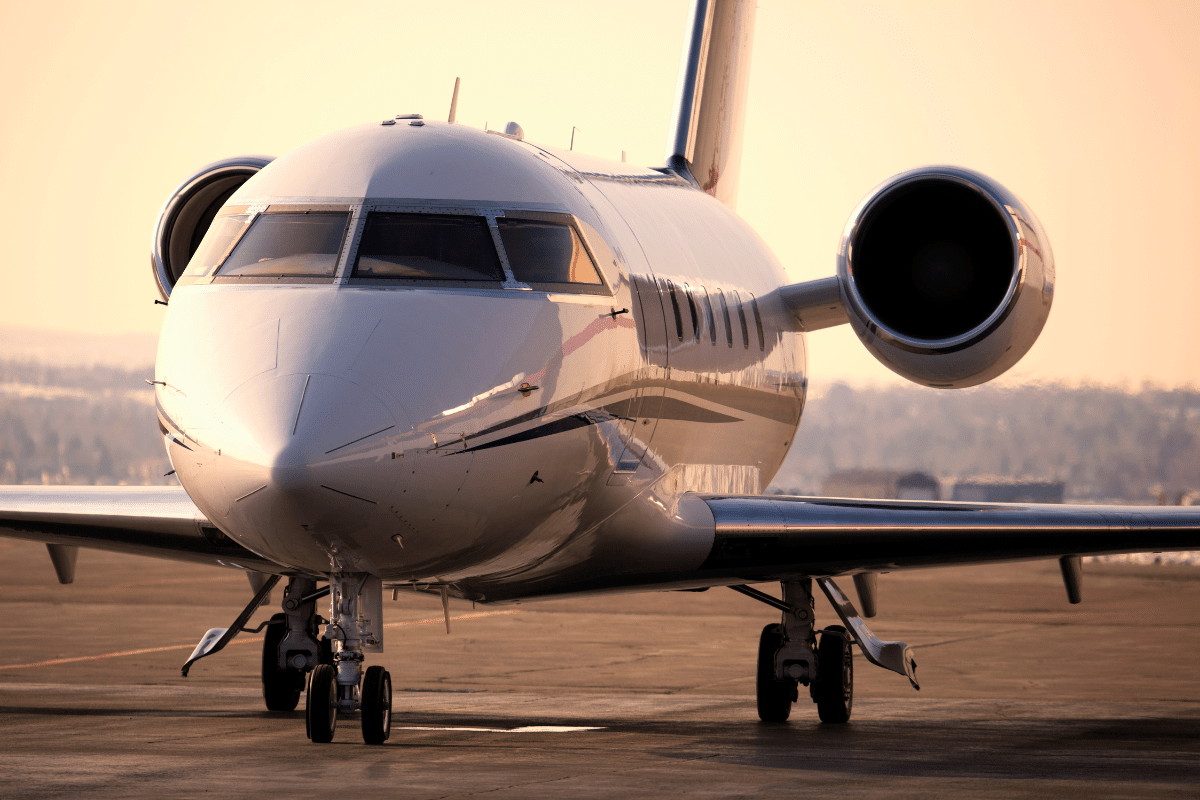
Private jet travel has long been synonymous with luxury, comfort, and exclusivity. Whether for business executives, celebrities, or high-net-worth individuals, private jets offer a very uniqueed convenience, flexibility, and privacy. However, behind the luxurious experience lies an uncompromising commitment to safety. Private jet safety standards are some of the most stringent in the aviation industry, driven by a combination of regulatory requirements, technological advancements, and the high expectations of passengers. In this article, we will explore the reasons why private jet safety standards are so rigorous and what measures are in place to ensure that every flight is as safe as possible.
The Unique Nature of Private Jet Travel
Private jets differ from commercial airliners in several key ways, which can present both opportunities and challenges when it comes to safety. First and foremost, private jets operate with smaller crews and often carry fewer passengers. While this can offer a more personalized and comfortable flying experience, it also requires customized safety protocols to ensure that all passengers and crew are properly protected.
Additionally, private jets tend to operate on more diverse routes and often fly to smaller, less-traveled airports, which can present unique safety challenges. These airports may lack the same level of infrastructure and emergency resources as major international airports, making it even more important for private jets to adhere to strict safety standards.
Regulatory Oversight of Private Jet Safety
The first reason behind the rigorous safety standards for private jets lies in the extensive regulatory oversight that governs private aviation. Just as commercial airlines are subject to strict safety regulations from aviation authorities like the Federal Aviation Administration (FAA) and the European Union Aviation Safety Agency (EASA), private jet operators must also comply with a range of regulations designed to ensure the safety of passengers and crew.
Private jet operators are required to adhere to all applicable regulations, including those related to aircraft maintenance, flight crew qualifications, emergency procedures, and more. These regulations are designed to ensure that private jets meet or exceed the safety standards of commercial airlines, even though they operate in a different environment with smaller crews and fewer passengers.
In the United States, for example, the FAA oversees the operation of private jets through Part 91 and Part 135 of the Federal Aviation Regulations (FARs). Part 91 covers general aviation operations, including private jets that are flown for non-commercial purposes, while Part 135 governs on-demand charter services. Both sets of regulations establish safety requirements that private jet operators must follow to maintain their certifications and operate legally.
In addition to these federal regulations, private jet operators must also comply with international safety standards set by organizations such as the International Civil Aviation Organization (ICAO). These global standards ensure that private jets operating internationally meet the same rigorous safety requirements as their commercial counterparts, regardless of the region in which they operate.
Pilot Training and Qualifications
Another key factor contributing to the rigorous safety standards in private jet travel is the extensive training and qualifications required for pilots. Pilots of private jets must undergo comprehensive training to ensure that they are equipped to handle the unique challenges of flying a private aircraft. While all pilots must meet the basic requirements set by aviation authorities, private jet pilots are often required to complete additional training specific to the aircraft they will be flying.
In addition to the standard training requirements, private jet pilots are expected to have a higher level of experience than their commercial counterparts. Many private jet pilots have years of flying experience and hold advanced certifications, such as an Airline Transport Pilot (ATP) license, which is the highest level of certification available. This ensures that private jet pilots are highly skilled and capable of handling complex flight operations, even in challenging conditions.
Private jet pilots must also undergo regular training and recurrent certification to keep their skills up to date. This includes simulator training for emergency situations, such as engine failures, severe weather conditions, and other in-flight emergencies. The goal is to ensure that private jet pilots are always prepared to handle any situation that may arise, no matter how rare or unusual.
Aircraft Maintenance and Inspections
One of the most critical aspects of private jet safety is the maintenance and inspection of the aircraft. Just as with commercial airliners, private jets must undergo regular maintenance to ensure that all systems are functioning properly and that the aircraft is in safe operating condition. However, due to the smaller number of flights and the more individualized nature of private jet operations, maintenance requirements can be more demanding.
Private jets are subject to both scheduled and unscheduled maintenance, depending on the age of the aircraft and the number of flight hours it has accumulated. Aircraft manufacturers, such as Gulfstream, Bombardier, and Dassault, provide detailed maintenance schedules that outline the specific inspections and maintenance tasks that must be performed at regular intervals. These schedules are designed to identify potential issues before they become safety concerns, ensuring that the aircraft remains airworthy at all times.
In addition to routine maintenance, private jets are required to undergo thorough pre-flight inspections before every flight. This includes a visual inspection of the aircraft’s exterior, as well as checks of critical systems such as engines, landing gear, and fuel systems. Any issues identified during these inspections must be addressed before the aircraft can take off.
Private jet operators also adhere to the manufacturer’s guidelines for maintenance, as well as the FAA’s requirements for airworthiness. If any part of the aircraft is found to be damaged or in need of repair, the aircraft is grounded until the necessary repairs are made. This strict adherence to maintenance protocols helps ensure that private jets are always in optimal condition and ready for flight.
Technology Enhancements for Safety
In recent years, technological advancements have played a significant role in improving the safety of private jet travel. From advanced avionics to state-of-the-art collision avoidance systems, technology has made private jets safer than ever before. These innovations help pilots navigate more efficiently, avoid potential hazards, and respond quickly to emergency situations.
One of the most important technological advancements in private jet safety is the development of advanced flight management systems (FMS). These systems provide pilots with real-time data on the aircraft’s position, fuel levels, and flight path, helping them make more informed decisions during the flight. Modern FMS systems also include features like automated flight planning, which can help pilots avoid adverse weather and congested airspace, further enhancing safety.
Another key advancement is the integration of satellite-based communication systems, which enable constant communication between the aircraft and ground control. These systems provide real-time weather updates, as well as the ability to communicate with air traffic control (ATC) even when flying over remote areas with no ground-based communication infrastructure. This level of connectivity ensures that pilots have access to the most up-to-date information, allowing them to make decisions that prioritize passenger safety.
Additionally, private jets are now equipped with advanced collision avoidance systems that use radar and other sensors to detect nearby aircraft and prevent mid-air collisions. These systems provide pilots with real-time alerts about potential conflicts, allowing them to take evasive action if necessary. The addition of such systems to private jets has significantly reduced the risk of accidents caused by human error or failure to detect other aircraft.
Emergency Procedures and Safety Equipment
While technology and maintenance protocols play a critical role in preventing accidents, private jet operators are also prepared for emergencies. Private jets are equipped with a wide range of safety equipment designed to protect passengers in the event of an emergency. This includes life vests, oxygen masks, fire extinguishers, and first aid kits, all of which must be readily accessible during the flight.
In addition to these basic safety features, private jets are equipped with more advanced emergency equipment, such as defibrillators and satellite phones, in case of medical emergencies or loss of communication with ground control. These tools ensure that passengers are protected in any situation, whether it involves a health emergency or a potential mechanical failure.
Private jet crews are also highly trained in emergency procedures, including how to handle in-flight medical situations, fire emergencies, and other critical incidents. Flight attendants undergo regular safety training and are certified in first aid and CPR, as well as in emergency evacuation procedures. In the event of an emergency, crew members are trained to act swiftly and calmly, ensuring that passengers are safe and that the situation is resolved as quickly as possible.
Conclusion
Private jet safety standards are rigorous because the aviation industry places the highest priority on the well-being of passengers. From regulatory oversight and pilot training to advanced technology and emergency preparedness, every aspect of private jet travel is designed with safety in mind. As the demand for private aviation continues to grow, operators and manufacturers are committed to maintaining the highest safety standards, ensuring that passengers can enjoy a secure and comfortable flying experience. Whether you are flying for business or pleasure, you can trust that private jet operators are doing everything in their power to keep you safe while you soar through the skies.