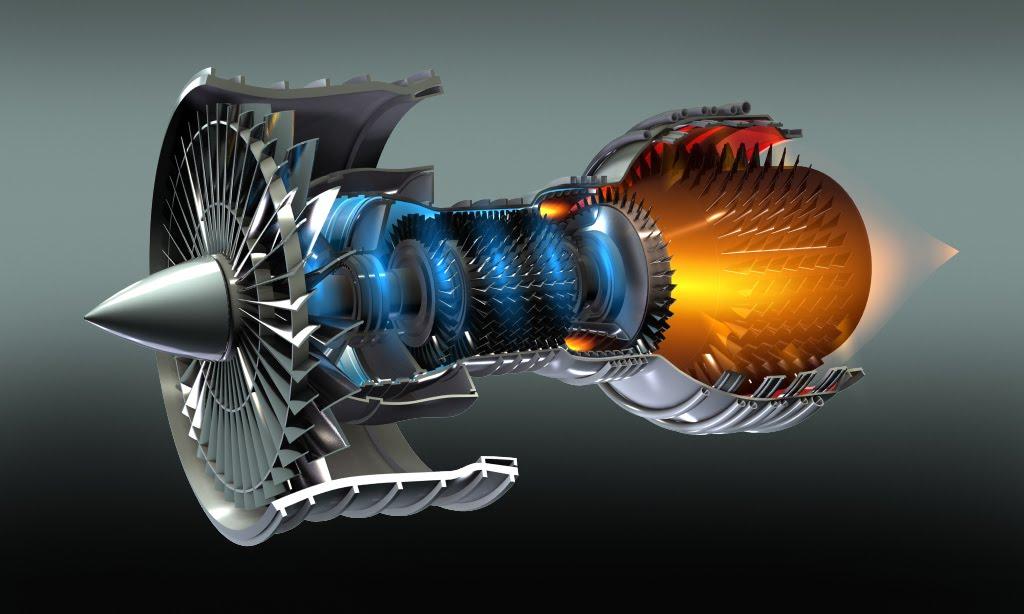
The world of private aviation is constantly evolving, with new technologies emerging to improve the safety, comfort, efficiency, and sustainability of private jet travel. As the industry moves forward, cutting-edge advancements are poised to revolutionize the flying experience, pushing the boundaries of what is possible in the skies. From artificial intelligence (AI) and autonomous flight systems to advanced materials and environmentally friendly innovations, private jets are about to experience a technological transformation that will change the way we think about air travel.
In this article, we will explore the latest technological advancements that are on the horizon for private jets. These innovations not only promise to enhance the passenger experience but also offer significant improvements in safety, efficiency, and environmental sustainability. Let’s take a closer look at the most exciting developments in private jet technology and how they are set to shape the future of air travel.
- Artificial Intelligence (AI) and Autonomous Flight Systems
One of the most anticipated advancements in aviation technology is the integration of artificial intelligence (AI) and autonomous flight systems. While autonomous flight is still in its infancy, the development of AI-powered technologies is already making waves in private jet travel. AI has the potential to revolutionize how private jets are flown, offering enhanced safety, efficiency, and reliability.
AI-driven systems can assist pilots in decision-making by analyzing real-time data from various sources, including weather patterns, air traffic, and aircraft performance. These systems are capable of processing vast amounts of data at lightning speed, helping pilots make more informed choices and avoid potential hazards. For example, AI can predict turbulence, suggest optimal flight paths, and recommend altitude adjustments to ensure a smoother, more efficient flight.
Autonomous flight technology is another exciting development in private jet aviation. With advancements in AI and machine learning, the vision of fully autonomous private jets is slowly becoming a reality. These aircraft would be capable of flying without human intervention, using sophisticated sensors, cameras, and radar to navigate the skies and avoid obstacles. While human pilots will still be required for oversight, autonomous flight systems could take over certain aspects of flight control, reducing the risk of human error and improving overall safety.
- Electric and Hybrid-Electric Engines
Sustainability is a key focus in the aviation industry, and private jets are no exception. The demand for greener, more environmentally friendly flight options is increasing, and one of the most promising innovations in this area is the development of electric and hybrid-electric engines. These engines offer the potential to significantly reduce carbon emissions and fuel consumption, making private jet travel more sustainable.
Electric aircraft use battery-powered engines, eliminating the need for traditional jet fuel. While electric engines are still in the early stages of development, they have the potential to revolutionize the industry by providing a clean and efficient alternative to fossil fuel-powered jets. In fact, several companies are already testing electric aircraft prototypes, and some have even successfully completed short flights using electric power.
Hybrid-electric engines, which combine electric and traditional jet engines, offer a more practical solution for long-distance flights. These engines use a combination of battery power and jet fuel to provide optimal performance, reducing fuel consumption and emissions without sacrificing range or speed. As hybrid-electric technology continues to evolve, we can expect to see more private jets adopting this green technology, contributing to a more sustainable aviation future.
- 3D-Printed Aircraft Parts
The use of 3D printing technology is revolutionizing many industries, and aviation is no exception. 3D printing, also known as additive manufacturing, allows for the creation of complex parts and components with greater precision and efficiency than traditional manufacturing methods. In the context of private jets, 3D printing is being used to produce lightweight, durable, and custom-designed aircraft parts that improve both performance and safety.
One of the key advantages of 3D printing is its ability to create parts with minimal waste, reducing the environmental impact of manufacturing. This is particularly important in the aviation industry, where reducing weight and improving fuel efficiency are critical factors. By printing parts that are customized to the specific needs of the aircraft, manufacturers can optimize performance while reducing material waste and energy consumption.
In addition to enhancing performance, 3D printing is also making it easier to produce custom interiors for private jets. With the ability to create bespoke furniture, seating, and other cabin elements, 3D printing allows private jet owners to design unique and personalized spaces that cater to their specific needs and preferences. This level of customization is something that would have been impossible with traditional manufacturing methods, and it adds a new level of luxury and exclusivity to private jet travel.
- In-Flight Connectivity and Entertainment Systems
As passengers increasingly expect seamless connectivity and entertainment options while traveling, private jet manufacturers are investing heavily in advanced in-flight systems that offer a higher level of comfort and convenience. Modern private jets are now equipped with state-of-the-art Wi-Fi, entertainment, and communication systems that keep passengers connected and entertained throughout their journey.
High-speed Wi-Fi has become a standard feature on many private jets, allowing passengers to stay connected to the internet, stream media, and communicate with colleagues, friends, or family while in the air. The demand for faster and more reliable in-flight internet is growing, and technological advancements are making it possible to provide a more stable connection at higher altitudes.
In addition to Wi-Fi, private jets are incorporating cutting-edge entertainment systems that offer a wide range of options for passengers. From interactive touchscreen displays and streaming services to virtual reality (VR) headsets and immersive sound systems, private jets are transforming the in-flight experience by providing passengers with a variety of entertainment options. These systems are designed to keep passengers engaged and entertained during long flights, making the journey as enjoyable as the destination.
For those who require privacy and confidentiality, in-flight communication systems are also becoming more secure. Encrypted voice and data transmission allow passengers to conduct business or have private conversations without worrying about eavesdropping. These secure systems are especially important for high-profile individuals, such as business executives and celebrities, who need to protect sensitive information while traveling.
- Smart Cabin Technology
The cabin environment of a private jet is just as important as the flight itself, and advancements in smart cabin technology are making it easier than ever to control every aspect of the interior. Smart cabin systems allow passengers to personalize their flight experience by adjusting lighting, temperature, seating, and even the windows with a touch of a button or voice command.
One of the most exciting developments in smart cabin technology is the integration of smart windows that can adjust their tint based on external conditions. This allows passengers to control the amount of natural light entering the cabin, reducing glare and enhancing comfort. In addition to smart windows, private jets are also incorporating intelligent lighting systems that can be customized to create the perfect ambiance for different parts of the flight.
Temperature control systems are becoming more sophisticated, allowing passengers to set the cabin temperature to their exact preferences. These systems use sensors to monitor the temperature and adjust it accordingly, ensuring a comfortable environment throughout the flight.
For added convenience, voice-activated systems are also being incorporated into private jet cabins, allowing passengers to control everything from cabin features to entertainment systems without needing to touch a button. This level of automation and convenience is making the private jet experience more luxurious and user-friendly than ever before.
- Sustainable Aviation Fuels (SAFs)
Sustainability is becoming an increasingly important consideration in the aviation industry, and private jet operators are looking for ways to reduce their carbon footprint while maintaining the performance and efficiency of their aircraft. One of the most promising solutions is the development and use of Sustainable Aviation Fuels (SAFs), which are derived from renewable sources such as plant-based materials, waste products, and algae.
SAFs offer a cleaner, more sustainable alternative to traditional jet fuel, with the potential to significantly reduce carbon emissions. Several private jet operators have already started using SAFs in their fleets, and the demand for these fuels is expected to grow in the coming years as more aircraft are adapted to run on sustainable fuels.
SAFs are produced through a variety of processes, including hydroprocessing and alcohol-to-jet technology, which convert biomass and waste products into aviation-grade fuel. These fuels are chemically similar to conventional jet fuel, making them compatible with existing aircraft engines and infrastructure. This means that private jet operators can continue to use their current fleets while reducing their environmental impact.
While SAFs are still relatively expensive compared to traditional jet fuel, the growing demand for sustainable aviation solutions and the development of new production methods are expected to drive down costs over time. As SAFs become more widely available and cost-effective, they will play a crucial role in making private jet travel more environmentally friendly.
- Enhanced Safety Features
Safety is always a top priority in aviation, and private jet manufacturers are constantly working to enhance safety features with the latest technological advancements. From collision avoidance systems to real-time weather tracking and automated emergency systems, new technologies are being implemented to keep passengers and crew safe throughout the flight.
One of the most significant safety innovations is the integration of Artificial Intelligence (AI) in flight systems. AI can process vast amounts of data from multiple sources, including weather reports, traffic information, and aircraft performance data, to predict potential risks and recommend actions to avoid danger. AI-powered systems can help pilots make better decisions, enhancing situational awareness and reducing the risk of accidents.
In addition to AI, advanced radar systems and satellite-based navigation are improving safety by providing more accurate and real-time information about the aircraft’s surroundings. These technologies help pilots avoid hazardous weather conditions, other aircraft, and obstacles, ensuring a safer flight experience for everyone onboard.
Private jets are also incorporating automated emergency systems that can take control of the aircraft in the event of a system failure or other emergency. These systems can automatically adjust flight paths, notify ground control, and initiate emergency landing procedures, providing an extra layer of protection for passengers and crew.
Conclusion
The future of private jets is bright, with technological advancements poised to transform every aspect of private air travel. From AI-powered flight systems and autonomous aircraft to sustainable aviation fuels and smart cabin technology, the private jet industry is on the cusp of a technological revolution. These innovations not only promise to make private jet travel safer, more efficient, and more sustainable, but they will also redefine the passenger experience, offering a very uniqueed luxury, comfort, and convenience.
As the aviation industry continues to embrace new technologies, we can expect to see even more exciting developments in the years to come. Whether it’s the rise of electric aircraft, the integration of AI into flight systems, or the widespread adoption of sustainable fuels, the future of private jets is filled with possibilities. With these advancements, private aviation is set to become more accessible, environmentally friendly, and luxurious than ever before.
The sky is no longer the limit – it’s just the beginning of a new era in private jet travel.