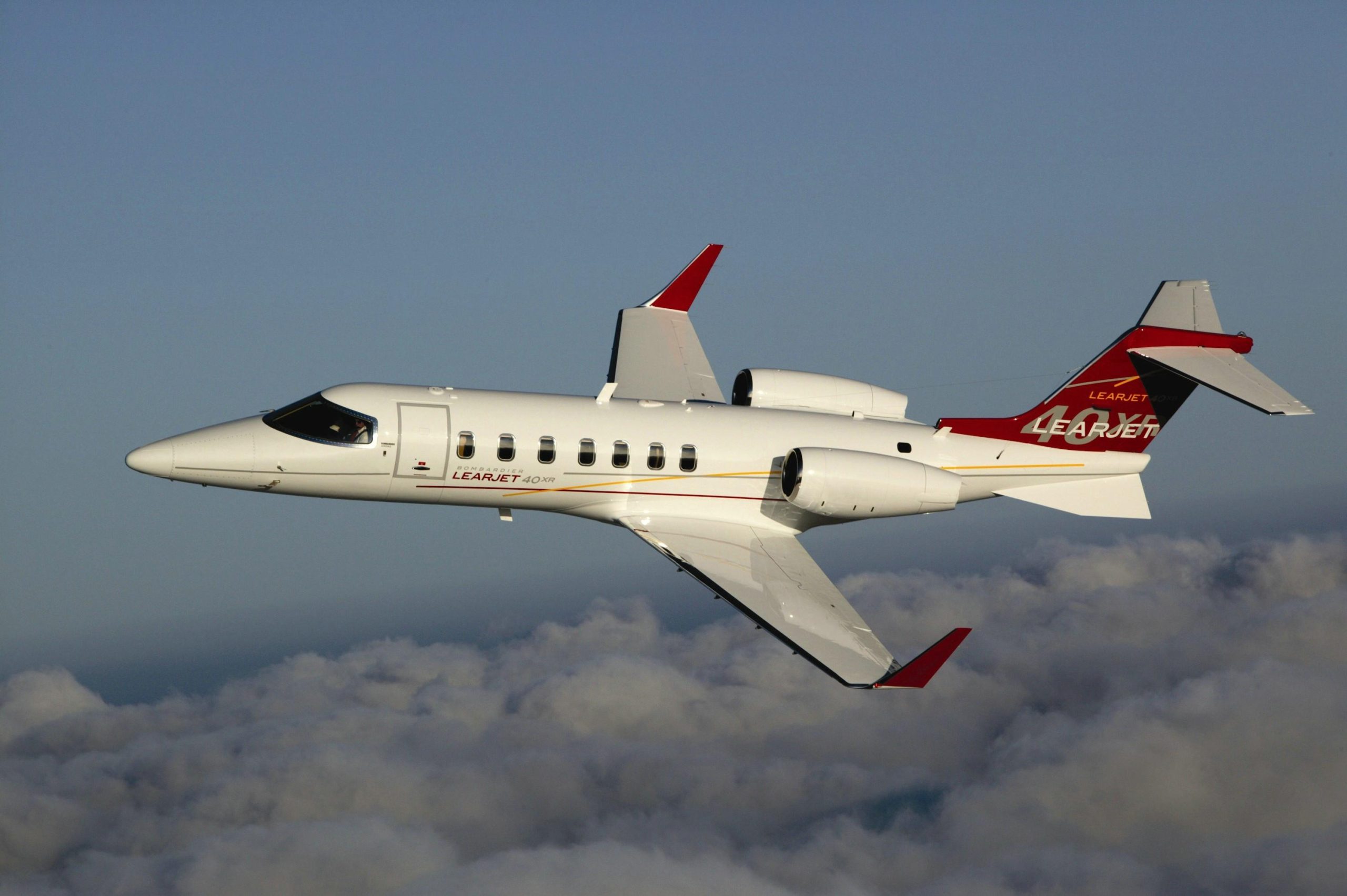
Private jet travel has long been associated with luxury, speed, and exclusivity, but as environmental concerns continue to rise, many private jet owners are seeking ways to minimize their carbon footprints. The aviation industry, in general, is responsible for a significant amount of global carbon emissions, and private jets, due to their smaller passenger capacity but higher fuel consumption per individual, contribute disproportionately to this issue. However, there are several measures that private jet owners can take to make their flights more eco-friendly, reduce emissions, and align their travel choices with their sustainability goals.
In this article, we will explore various strategies and technologies that private jet owners can adopt to reduce their environmental impact. From using sustainable aviation fuel to selecting more efficient flight routes, private jet owners have a wide range of options to incorporate sustainability into their travel habits. By making informed decisions and embracing green technologies, private jet owners can play an essential role in the push toward more sustainable air travel.
Understanding the Environmental Impact of Private Jet Travel
Before delving into the solutions, it is important to understand the environmental impact of private jet travel. The aviation industry contributes around 2-3% of global carbon emissions, with private jets making up a disproportionate share of this percentage due to their relatively high fuel consumption per passenger. According to studies, private jets can produce anywhere between 2 to 5 times more carbon per passenger mile than commercial airliners, making them a focal point for those aiming to reduce aviation’s carbon footprint.
Private jets typically fly shorter distances than commercial aircraft, but they still consume a significant amount of fuel. This means that for every mile flown, the environmental impact is higher. While it is unlikely that private jet owners will completely eliminate their flights, there are many steps they can take to mitigate the environmental effects of their travel.
1. Opt for Sustainable Aviation Fuel (SAF)
One of the most effective ways to reduce the carbon emissions of private jet travel is by using Sustainable Aviation Fuel (SAF). SAF is a bio-based fuel made from renewable resources, such as agricultural waste, algae, or even municipal waste. Unlike traditional jet fuel, which is derived from fossil fuels, SAF can reduce carbon emissions by up to 80% over its lifecycle. By using SAF, private jet owners can significantly lower the carbon footprint of their flights without needing to invest in new aircraft or infrastructure.
SAF is already in use by several private jet operators, and some companies offer their clients the option to purchase SAF for their flights. Although SAF is currently more expensive than traditional jet fuel, its price is expected to decrease as production scales up and becomes more widespread. For private jet owners who are committed to sustainability, purchasing SAF is one of the most impactful steps they can take to reduce the environmental impact of their travel.
2. Invest in More Efficient Aircraft
Another way private jet owners can reduce their carbon footprint is by investing in newer, more fuel-efficient aircraft. Advances in technology have made it possible to build lighter, more aerodynamic aircraft that consume less fuel and produce fewer emissions. For example, modern private jets are being designed with advanced materials, such as carbon fiber composites, which reduce weight and improve fuel efficiency.
In addition to using lighter materials, newer aircraft often come equipped with more efficient engines that burn less fuel for the same amount of power. These engines are designed to meet stricter environmental regulations and produce fewer emissions, including carbon dioxide (CO2), nitrogen oxides (NOx), and particulate matter. By upgrading to a more fuel-efficient aircraft, private jet owners can reduce their environmental impact while still enjoying the luxury and convenience of private air travel.
Aircraft manufacturers, such as Gulfstream, Bombardier, and Dassault, are continually working to improve fuel efficiency and reduce emissions. For private jet owners looking to reduce their environmental footprint, investing in one of these newer, more efficient models can make a significant difference in the overall sustainability of their travel.
3. Choose the Right Flight Routes
Flight planning can have a significant impact on the efficiency of a private jet flight. By choosing the right flight routes and taking advantage of the latest route optimization technologies, private jet owners can reduce fuel consumption and minimize emissions. Modern flight planning tools allow pilots to calculate the most fuel-efficient routes based on a variety of factors, such as wind patterns, air traffic, and weather conditions.
Flying at optimal altitudes and avoiding unnecessary detours can also reduce fuel consumption. Pilots can adjust their flight paths to take advantage of tailwinds, which can reduce the amount of fuel needed during the flight. Additionally, flying in a straight line, rather than following older, more circuitous flight paths, can result in significant fuel savings.
Private jet owners should also consider the environmental benefits of flying at off-peak times when air traffic is lighter. This can reduce the amount of time spent in holding patterns or waiting for clearance, which can increase fuel consumption. By working with experienced flight planners and utilizing the latest technology, private jet owners can ensure that their flights are as efficient as possible.
4. Maximize Aircraft Utilization
Maximizing the utilization of a private jet is another effective way to reduce its environmental impact. Many private jet owners fly only a few times a year, which means that their aircraft may remain idle for long periods. During these downtime periods, the aircraft still requires maintenance, storage, and other resources, all of which contribute to its environmental footprint.
One way to increase aircraft utilization is by sharing the jet with other passengers. This can be done through fractional ownership programs or by using on-demand charter services. By sharing flights with other passengers, private jet owners can reduce the per-passenger carbon emissions associated with their trips. Many private jet charter companies now offer sustainability-focused services, and some even provide the option to book flights on jets that use SAF.
Another option is to optimize flight schedules to ensure that the aircraft is used more frequently, especially for longer trips. Aircraft that are flown more regularly are typically more fuel-efficient because they are better maintained and their engines are used regularly, reducing the environmental impact of each flight.
5. Embrace Carbon Offsetting Programs
While the use of SAF and more efficient aircraft can significantly reduce the carbon emissions of private jet travel, it is unlikely that all emissions can be eliminated entirely. For private jet owners who want to make their flights more eco-friendly, carbon offsetting is a viable option. Carbon offsetting involves purchasing credits to fund projects that reduce or capture carbon emissions, such as reforestation, renewable energy projects, and methane capture initiatives.
Many private jet operators now offer carbon offset programs, allowing their clients to offset the emissions generated by their flights. These programs vary in cost and the types of projects they fund, but they provide an easy way for private jet owners to balance out the environmental impact of their travel. By participating in carbon offset programs, private jet owners can take responsibility for their emissions and contribute to the global fight against climate change.
Several third-party organizations, such as Gold Standard and Verra, provide certification for carbon offset projects, ensuring that the credits purchased are used to fund legitimate and impactful initiatives. Private jet owners should look for programs that are transparent and provide information about the specific projects their offsets are supporting.
6. Adopt Greener Ground Operations
In addition to making changes to their flying practices, private jet owners can also make their ground operations more sustainable. The environmental impact of private jet travel extends beyond the flight itself, with ground operations such as fueling, maintenance, and transportation contributing to the overall carbon footprint. By adopting greener practices on the ground, private jet owners can further reduce their environmental impact.
For example, private jet owners can choose to fuel their aircraft with SAF at airports that offer it, reducing emissions associated with ground fueling operations. They can also opt for electric or hybrid vehicles for airport transfers, reducing the carbon emissions from ground transportation. By making sustainable choices at every stage of the journey, private jet owners can ensure that their entire travel experience is as eco-friendly as possible.
Another option is to choose airports and fixed-base operators (FBOs) that prioritize sustainability. Many FBOs now offer services such as electric vehicle charging stations, waste reduction programs, and energy-efficient buildings, making it easier for private jet owners to reduce their environmental impact during ground operations.
7. Stay Informed and Lead by Example
Finally, private jet owners can make their flights more eco-friendly by staying informed about the latest developments in sustainable aviation and leading by example. The aviation industry is rapidly evolving, with new technologies and practices emerging all the time. By staying up-to-date on the latest advancements, private jet owners can make informed decisions about how to reduce their environmental impact.
In addition, private jet owners can lead by example by sharing their commitment to sustainability with others in the industry. By advocating for the use of SAF, investing in greener technologies, and supporting carbon offset programs, private jet owners can influence other stakeholders in the aviation industry to follow suit. Industry leadership is a powerful tool for driving change, and private jet owners can play a crucial role in shaping the future of sustainable aviation.
Conclusion
Private jet owners have a unique opportunity to reduce the environmental impact of their travel and make air travel more sustainable. By adopting practices such as using Sustainable Aviation Fuel (SAF), investing in more efficient aircraft, optimizing flight routes, maximizing aircraft utilization, and embracing carbon offset programs, private jet owners can significantly reduce their carbon footprints. Furthermore, by making sustainable choices during ground operations and staying informed about emerging green technologies, they can ensure that their flights are as eco-friendly as possible. Ultimately, private jet owners who embrace sustainability can play a key role in driving the aviation industry toward a greener, more sustainable future.