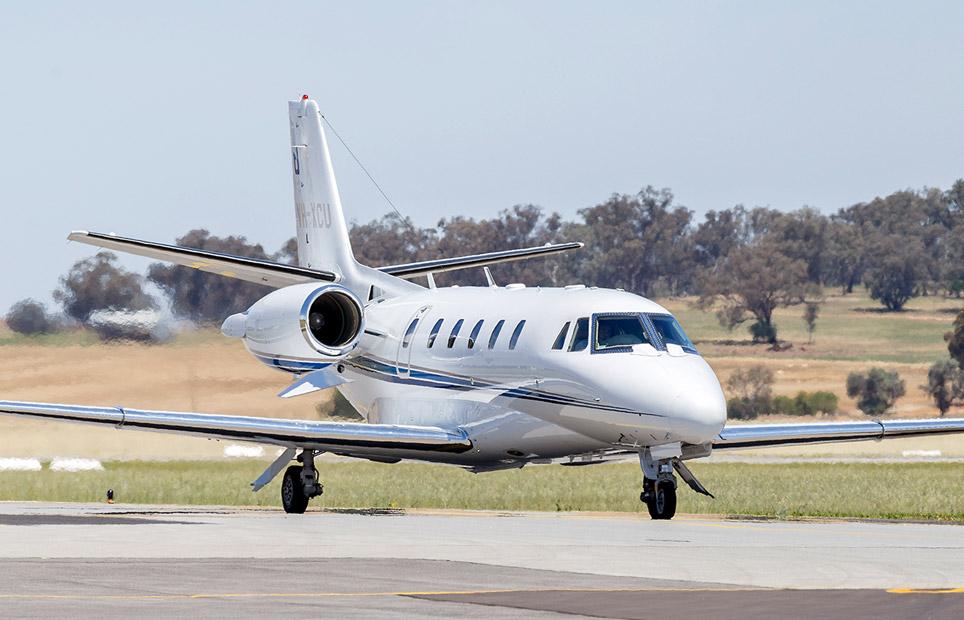
The aviation industry has long been criticized for its environmental impact, with private jets often at the center of the debate. These luxury aircraft, while offering a very uniqueed convenience and comfort, are known for their high carbon emissions compared to commercial flights. As the world increasingly focuses on sustainability and combating climate change, the aviation industry has been under pressure to address the ecological footprint of private aviation. In this article, we’ll explore the actions being taken by the aviation sector to reduce the impact of private jets, focusing on technological advancements, sustainable aviation fuel (SAF), carbon offset programs, and regulatory changes.
Private jets are often seen as symbols of wealth and exclusivity, but they also contribute disproportionately to the global carbon footprint. A study from the European Federation for Transport and Environment (T&E) found that private jets produce up to 10 times more emissions per passenger than commercial flights. As the world seeks to reduce its overall carbon emissions, private aviation has come under intense scrutiny. However, the aviation industry is not sitting idle. It is actively developing and implementing several solutions to minimize the environmental impact of private jets. These efforts are essential to making aviation a more sustainable mode of transport in the future.
One of the most significant initiatives in reducing the impact of private jets is the shift toward sustainable aviation fuel (SAF). SAF is a biofuel made from renewable resources such as plant oils, algae, and waste materials. Unlike conventional jet fuel, SAF can reduce carbon emissions by up to 80% over its lifecycle. While SAF is still in its early stages, it has the potential to revolutionize the aviation industry by providing a cleaner alternative to fossil fuels.
The adoption of SAF in private aviation is gaining momentum. Leading private jet operators are beginning to incorporate SAF into their fleets, with some using it on a trial basis and others committing to its widespread adoption. The use of SAF in private jets is particularly important, given the high emissions associated with these aircraft. By using SAF, private jets can significantly reduce their carbon footprint, making private aviation more sustainable.
One of the key challenges in the widespread adoption of SAF is the limited production capacity. Currently, SAF accounts for only a small fraction of the total jet fuel used worldwide. However, this is expected to change as governments, airlines, and private jet operators invest in SAF production facilities. The aviation industry is actively working to scale up SAF production, making it more affordable and accessible for private jet owners and operators.
In addition to SAF, the aviation industry is exploring a variety of other technologies to reduce the environmental impact of private jets. One of the most promising areas of innovation is electric and hybrid-electric propulsion systems. These technologies, while still in the development stage, have the potential to drastically reduce or eliminate emissions from private jets. Electric propulsion systems, for example, could enable short-haul flights to be powered entirely by electricity, reducing the need for conventional jet fuel. Hybrid-electric systems, which combine traditional jet engines with electric motors, could also help reduce fuel consumption and emissions.
Several companies are already working on electric and hybrid-electric aircraft for private aviation. For example, the startup Lilium is developing an all-electric vertical takeoff and landing (eVTOL) aircraft, which could be used for short regional flights. Similarly, companies like Pipistrel and Alice are working on electric aircraft for both private and commercial aviation. While these technologies are still in their infancy, they represent a promising future for sustainable private jet travel.
In addition to technological advancements, private jet operators are also adopting new practices to reduce their environmental impact. One of the simplest and most effective measures is reducing the number of empty flights, known as “empty legs.” These flights occur when a private jet is returning to its base or traveling without passengers. Empty legs contribute to unnecessary fuel consumption and emissions. However, by optimizing flight schedules and offering discounts on empty leg flights, private jet operators can reduce the number of empty flights and, in turn, lower their carbon footprint.
Private jet operators are also focusing on more efficient flight planning. By optimizing flight routes, altitude, and speed, private jets can reduce fuel consumption and emissions. In some cases, operators are using advanced weather forecasting tools to adjust flight plans based on real-time conditions, further reducing fuel use. These measures, while relatively simple, can have a significant impact on the environmental footprint of private jets.
Carbon offset programs are another important tool in reducing the environmental impact of private jets. Carbon offsetting allows individuals and companies to compensate for the emissions produced by their flights by investing in projects that reduce or capture greenhouse gases elsewhere. These projects may include reforestation initiatives, renewable energy projects, and methane capture from landfills.
Many private jet operators offer carbon offset programs to their clients, allowing them to neutralize the emissions generated by their flights. While carbon offsetting does not directly reduce emissions from private jets, it helps to mitigate their impact by funding projects that contribute to the fight against climate change. Some companies, such as JetSetGo, have gone a step further by offering 100% carbon-neutral flight options, where the carbon emissions associated with the flight are fully offset through investments in environmental projects.
Governments and regulators are also playing a crucial role in reducing the environmental impact of private jets. While there are currently no global regulations specifically targeting private aviation emissions, some countries are implementing policies to encourage the use of cleaner technologies and fuels. For example, the European Union has set ambitious targets for reducing emissions in the aviation sector, and some countries are offering tax incentives for the adoption of SAF.
The U.S. Federal Aviation Administration (FAA) has also been involved in efforts to reduce the environmental impact of aviation. The FAA’s Continuous Lower Energy, Emissions, and Noise (CLEEN) program, for example, supports the development of technologies that reduce emissions from aircraft, including private jets. Additionally, the FAA has been working with industry stakeholders to develop guidelines for the use of SAF in aviation.
Regulatory bodies are also focused on promoting greater transparency and accountability in the aviation industry. In some regions, private jet operators are required to disclose the environmental impact of their flights, including the carbon emissions produced. This increased transparency encourages private jet owners to consider the environmental impact of their travel decisions and to explore more sustainable options.
While the aviation industry has made significant strides in reducing the impact of private jets, there is still much work to be done. The transition to more sustainable practices and technologies will take time, and the scale of the challenge is immense. However, the collective efforts of private jet operators, technology innovators, governments, and environmental organizations are beginning to make a difference. The use of SAF, the development of electric and hybrid-electric aircraft, and the adoption of more efficient flight practices all represent important steps toward a greener aviation industry.
The future of private aviation is likely to be shaped by a combination of technological advancements, regulatory changes, and consumer demand for more sustainable options. As the aviation industry continues to innovate and invest in greener technologies, private jets will become increasingly environmentally friendly. The goal is not to eliminate private jets altogether, but to make them a more sustainable and responsible mode of transportation.
In conclusion, the aviation industry is taking significant steps to reduce the impact of private jets on the environment. From the adoption of sustainable aviation fuel to the development of electric aircraft, there is no shortage of innovation aimed at making private aviation more sustainable. While challenges remain, the commitment of the aviation industry to reducing its environmental footprint is clear. As technology continues to evolve, private jets will become cleaner, greener, and more sustainable, helping to ensure that air travel can coexist with the need to protect the planet for future generations.